
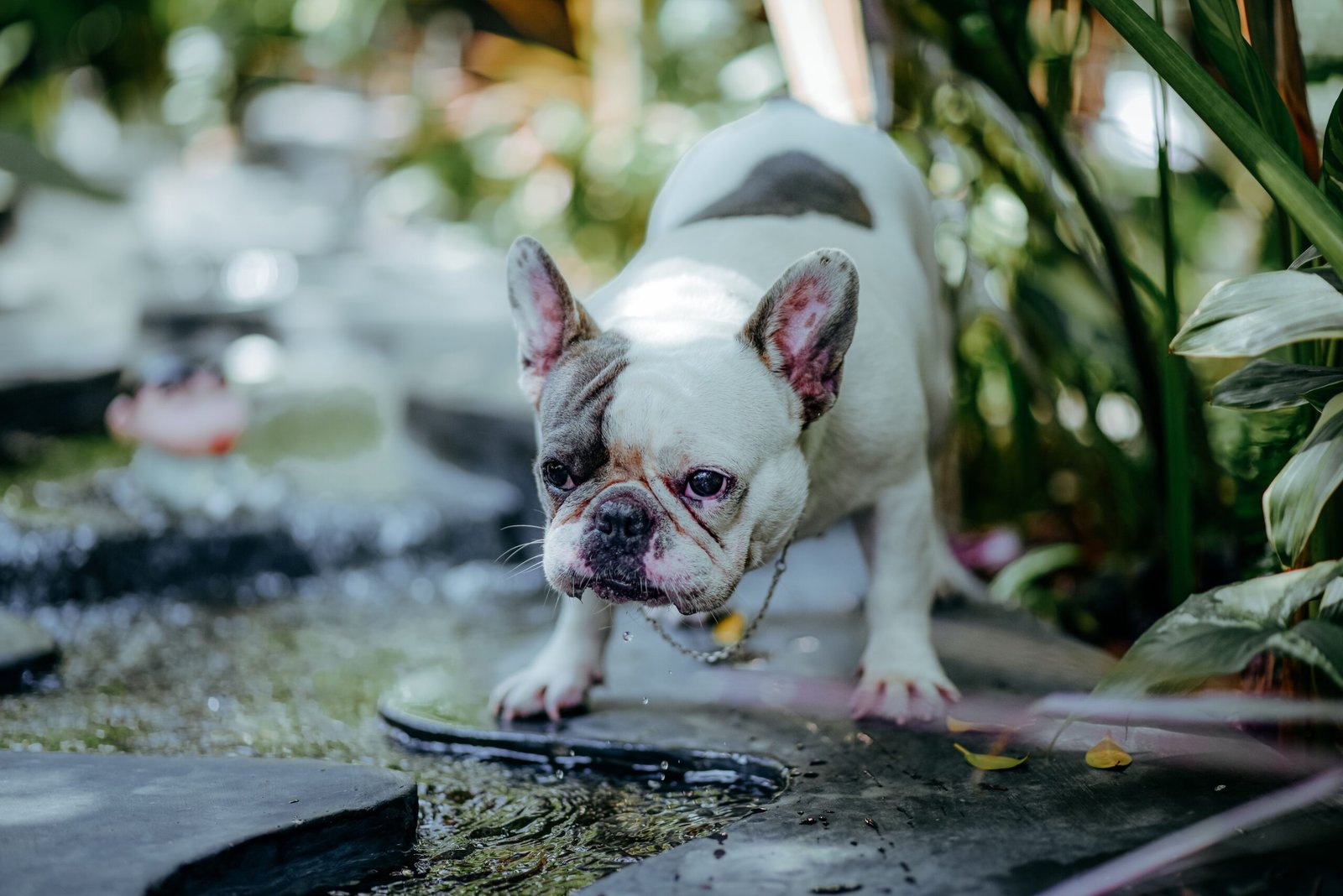
Photo by 🇻🇳🇻🇳Nguyễn Tiến Thịnh 🇻🇳🇻🇳:
Arizona summers push triple digits for months at a time, and pets feel that heat just as much as the humans in the house. Dogs and cats can’t sweat the way people do, so they cool down mostly through panting, and that system only goes so far once the pavement starts to shimmer. For families with a dog who loves the backyard or a cat who naps in a sunny window, a few small habits make the hot season a lot safer.
1. Test the Pavement Before Walks
Asphalt and concrete absorb heat all day and can burn paw pads long after the sun feels bearable to a person standing on two feet. A simple test works well: press the back of your hand to the pavement for seven seconds. If it is too hot for your hand, it is too hot for paws. Early morning or after sunset walks avoid the problem entirely, and they tend to be more pleasant for the whole family anyway.
2. Never Leave a Pet in a Parked Car
Even a few minutes in a parked car can turn dangerous once outside temperatures climb into the 90s, since interior heat builds far faster than most people expect. Groups like the ASPCA publish seasonal reminders on this exact risk, and the advice is consistent: if a pet cannot come inside with you, leave them at home instead.
3. Keep Water Available Everywhere Your Pet Goes
A dog or cat can dehydrate quickly in dry desert heat, so fresh water should be within reach indoors, in the yard, and in the car for any errand longer than a quick stop. Adding a second water bowl in a shaded spot outside gives pets an easy option even if one bowl tips over or runs low during the day.
4. Watch for Early Signs of Overheating
Heavy panting, drooling, or a dog that suddenly seems sluggish on a walk can signal the start of heat stress, and catching it early makes a real difference. Moving the animal to shade or air conditioning and offering small sips of water usually helps mild cases, but anything beyond mild grogginess is worth a call to the vet rather than a wait and see approach.
5. Schedule a Seasonal Wellness Check
Older pets, short nosed breeds, and animals with existing health conditions handle heat worse than others, which makes a checkup before peak summer worthwhile. A visit to a clinic offering Phoenix vet care can flag issues like heart or respiratory conditions that make heat especially risky, so the family knows what to watch for before the temperature climbs.
Organizations like the American Veterinary Medical Association also publish general heat safety guidance worth a look before the hottest months arrive, especially for families with a senior pet or a new puppy still learning its limits.
Endnote
Phoenix summers are tough on pets, but a little planning goes a long way. Cool walks, safe car habits, accessible water, and a seasonal vet visit cover most of the risk, leaving more time for the fun parts of having a pet in the family.
Leave a Reply