
Your teeth do not suddenly become “old”. Instead, decades of eating, drinking, brushing and everyday wear gradually change what they need from you. That makes looking after your smile less about following exactly the same routine forever and more about recognising how priorities can shift.
Genetics, diet, medication, dental history and lifestyle mean everybody’s experience will be different, but certain considerations become increasingly relevant as the years pass. Understanding those changes can help you adapt your habits rather than waiting for a problem to appear.
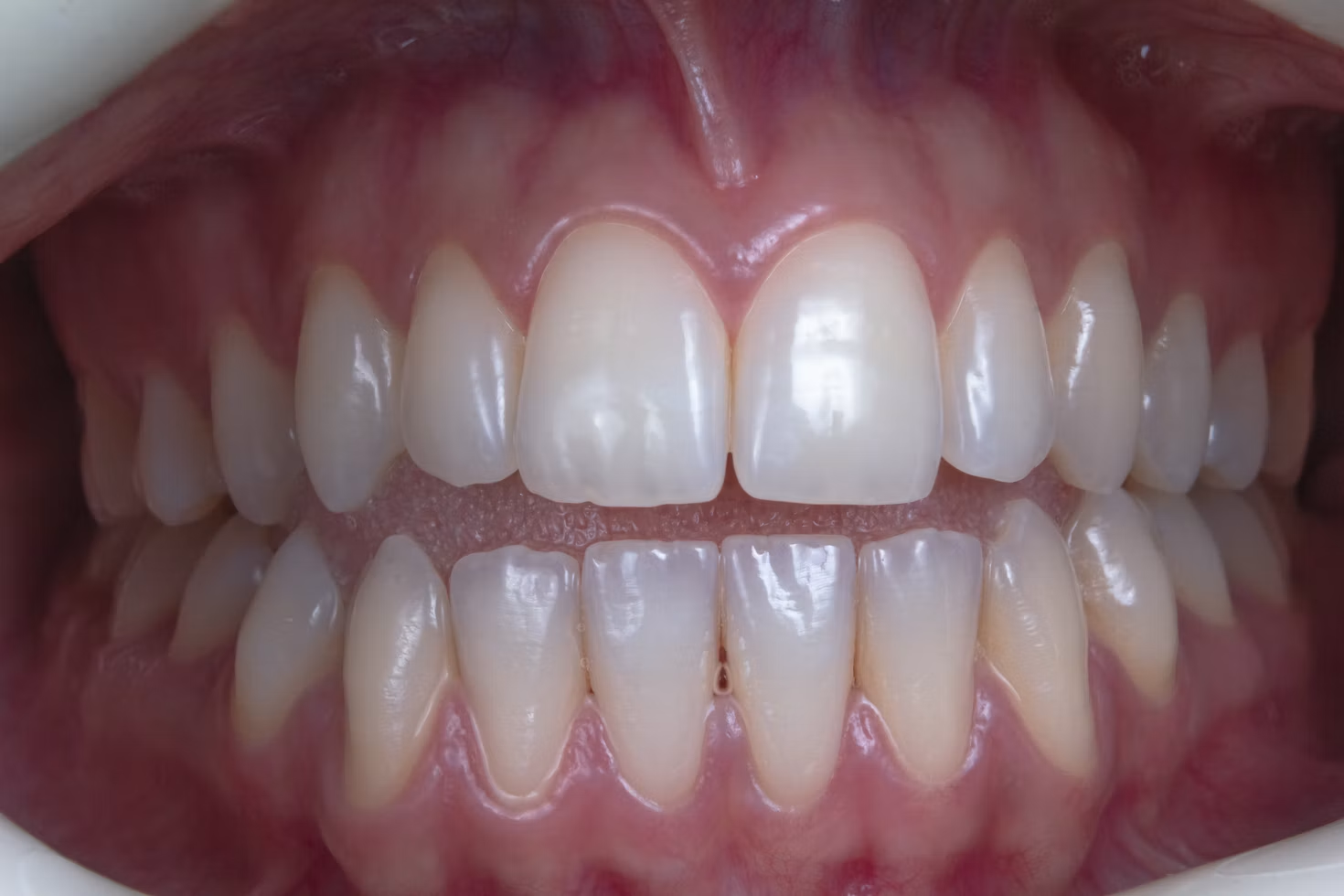
Source: Ozkan Guner at Unsplash
In Your 30s: Think Prevention, Not Repair
For many people, their thirties are relatively straightforward from a dental perspective. However, this can also be the decade when the cumulative effects of earlier habits begin to become noticeable.
Old fillings may require monitoring, while regular consumption of coffee, tea and other strongly coloured foods and drinks can contribute to staining. Previous orthodontic treatment may also need consideration, particularly if retainers are no longer being worn and teeth have started to move.
Stress can have less obvious effects. Some people grind or clench their teeth, particularly during sleep, potentially contributing to worn surfaces, sensitivity, headaches or jaw discomfort.
Rather than waiting until something hurts, your thirties are a good opportunity to establish preventative habits that can follow you through later life. Regular examinations allow changes to be identified early, while conversations about diet, brushing technique and individual risk factors can help shape a more personalised routine.
In Your 40s: Give Your Gums More Attention
It is easy to concentrate on teeth and overlook the structures keeping them in place. Gum health deserves particular attention throughout adulthood. Bleeding when brushing, persistent bad breath, gum recession or changes around the gumline should not simply be dismissed as normal signs of getting older.
Gum disease can develop gradually and may not cause significant pain in its earlier stages. This makes routine monitoring particularly useful.
For someone establishing ongoing care with a private dentist Milton Keynes, appointments can provide an opportunity to monitor the wider picture, including teeth, gums, existing restorations, bite and any changes that have occurred since previous visits.
At home, brushing twice daily with fluoride toothpaste and cleaning effectively between the teeth remain important parts of protecting gum health.
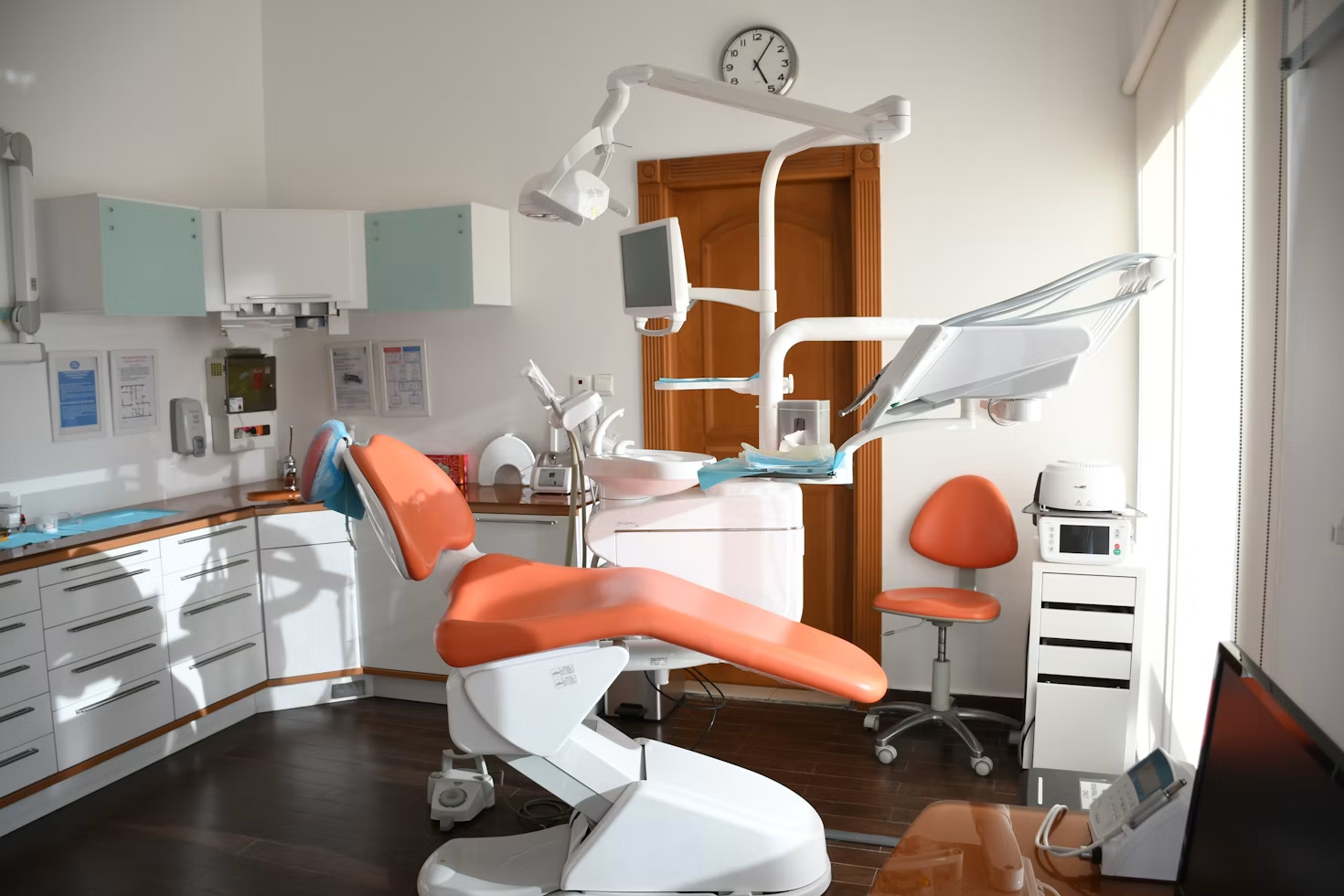
Source: Atikah Akhtar at Unsplash
In Your 50s: Check the Dental Work You Already Have
By your fifties, your mouth may contain dental work completed many years or even decades earlier. Fillings, crowns, bridges and other restorations can experience considerable forces during everyday eating. They do not automatically need replacing when they reach a certain age, but they should be monitored.
Changes can occur around the edges of restorations, while normal wear or changes to surrounding teeth may eventually affect how older dental work functions.
This is also an important time to pay attention to seemingly minor changes. New sensitivity, discomfort when biting or a tooth that suddenly feels different should be mentioned rather than simply tolerated.
In Your 60s: Consider the Wider Health Picture
Oral health does not exist separately from the rest of the body, and this can become particularly apparent as people get older. One issue worth recognising is dry mouth. Saliva helps wash away food particles and neutralise acids, so persistent dryness can affect the environment inside the mouth.
Dry mouth can have several causes, including being a side effect of some medications. If it becomes persistent, discussing it with a dentist or doctor can help establish whether anything can be done to manage it.
Dietary habits can change too. Frequent snacking or sipping sugary drinks throughout the day repeatedly exposes teeth to acids produced by oral bacteria, making frequency as important as the total amount consumed.
In Your 70s: Prioritise Comfort and Function
Later-life dental care is not simply about preserving the appearance of a smile. Comfortable eating, speaking and everyday function can become equally important. Natural teeth, crowns, bridges, implants and dentures all require appropriate maintenance. Dentures may need adjustment as the mouth changes over time, while dental implants still depend on healthy surrounding tissues and effective cleaning.
Dexterity can also change, making traditional brushing or interdental cleaning more difficult. Electric toothbrushes, different interdental products or adapted handles may make routines easier for some people.
Dental care should adapt to what is practical rather than expecting the same techniques to work indefinitely.
Beyond 80: Individual Care Becomes Increasingly Important
There is no age at which dental health stops mattering. Some people reach their eighties with many natural teeth, while others may have dentures, implants, bridges or combinations of different restorations. Consequently, there is no universal routine that works for everyone.
Mobility, medication, diet, dexterity and the ability to attend appointments can all influence how oral health is managed. Family members or carers may sometimes become involved in supporting daily routines.
The objective remains the same: keeping the mouth comfortable, functional and as healthy as possible.
Your Bite Can Change Throughout Adulthood
Teeth are not necessarily fixed permanently in exactly the same positions. Subtle movement can occur throughout life, and changes to individual teeth can influence how the upper and lower teeth meet.
Tooth loss, wear, previous orthodontic treatment and changes to restorations can all potentially alter the bite. Some people may notice increasing crowding, while others become aware that particular teeth seem to make contact differently when chewing.
These changes are another reason to think about dental health as a long-term process rather than a series of isolated treatments. Monitoring how teeth fit and function together can help identify developments that might otherwise be easy to overlook.
Your Dental Priorities Should Evolve With You
Although your needs may change, the basic foundations of oral care remain remarkably consistent. Brush thoroughly with fluoride toothpaste, clean between your teeth, attend dental appointments at intervals recommended for your circumstances and seek professional advice when something changes.
Most importantly, avoid assuming that pain, loose teeth, bleeding gums or difficulty eating are inevitable consequences of ageing.
Your teeth at 70 will inevitably have a longer history than they did at 30. They may carry restorations, show signs of wear or require a different approach to daily care. What matters is responding to those changes.
Rather than following one dental routine for life, think of oral care as something that evolves alongside you. Small adjustments at each stage can help maintain comfort, function and confidence well beyond any particular birthday.
Leave a Reply