
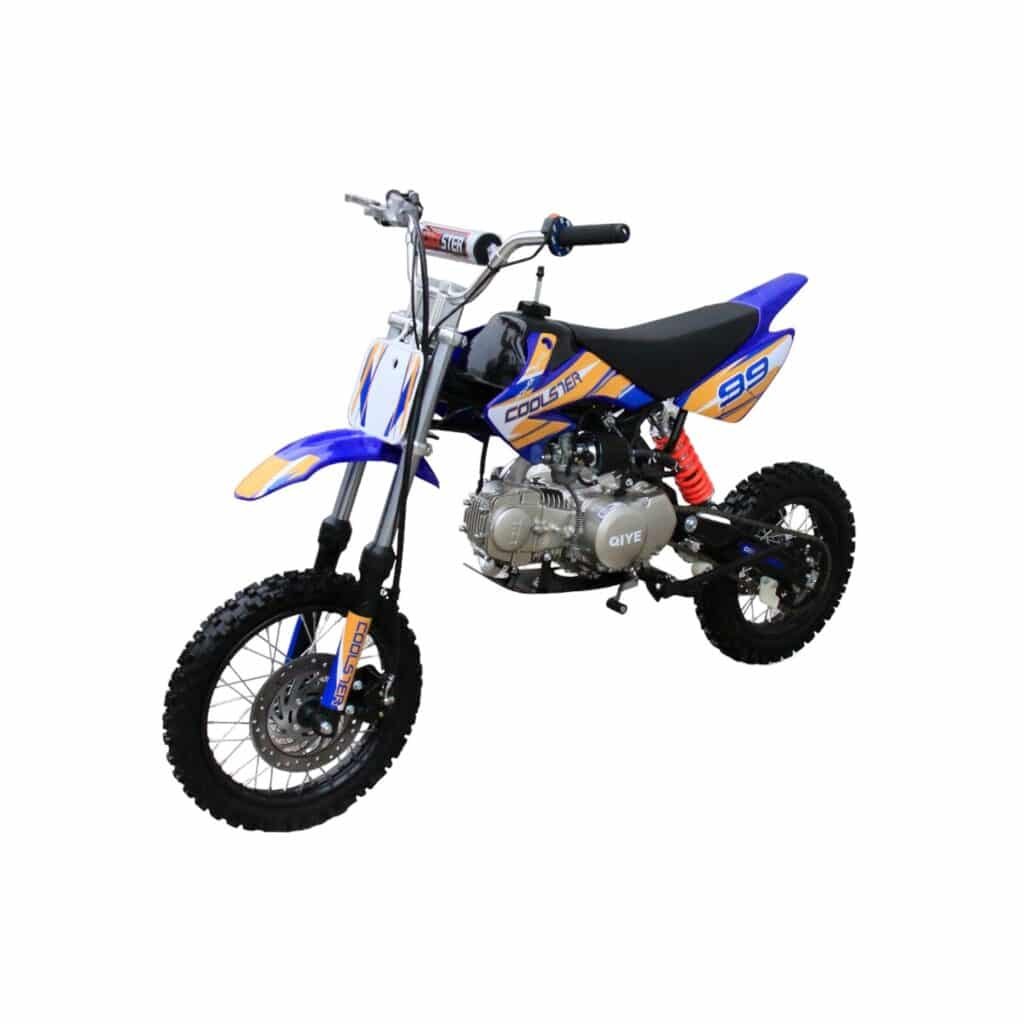
That first dirt bike isn’t just a vehicle. It’s a rite of passage — confidence-builder, mechanical teacher, outdoor adventure rolled into one. But here’s the thing: parents buying one face a genuinely high-stakes call. Pick the wrong model and you’re gambling with your kid’s safety every single ride. Pick the right one, with the right features, and you’ve handed them something that grows with them. The safety details matter more than most people realize.
1. Reliable Braking System
Brakes are everything. A child’s ability to stop fast — or just scrub a little speed before a turn — depends on hardware that responds instantly, every time. Quality hydraulic disc brakes have become standard on most modern kids’ bikes for good reason: better stopping power, less hand strength required, more consistent feel across different conditions. When you’re at the dealer, squeeze that lever. Does it feel immediate? Or mushy and delayed? That difference matters enormously.
Check for fluid leaks and corrosion while you’re at it. Entry-level bikes with both front and rear brakes give balanced stopping power — cutting the odds of the rear wheel washing out sideways unexpectedly. Dirt chews through pads faster than pavement does. Confirm replacements are easy to find and won’t drain your wallet. Fit matters too — can your child actually reach the brake pedal without stretching awkwardly? Awkward reach breeds hesitation. Hesitation causes crashes.
2. Protective Engine Specifications
Too much engine is dangerous. Full stop. A bike that surges unpredictably or snaps into power mid-corner is simply unrideable for a young beginner. Children’s dirt bikes typically run from 50cc to 110cc, with the right choice depending on age, height, and actual experience — not just what sounds impressive. The goal is an engine size that lets them build skills without constantly fighting the machine.
Governors and speed limiters are worth seeking out specifically. They put a hard ceiling on velocity — dial it down while your kid’s still shaky, ease it back up once they’ve found their footing. Four-strokes? They pull smoother and more predictably than two-strokes. Way more forgiving when a beginner’s still figuring out where the power actually lives. Inspect the engine casing while you’re there. Cracks, seeping oil, odd drops in performance — none of that is cosmetic. Those things bite you when you least expect it.
Eventually, kids outgrow starter displacement. When that happens, a step up makes sense. The 125cc dirtbike hits a sweet spot — enough engine for more demanding terrain and skill progression, but still manageable for a developing rider who’s genuinely ready. Key word: ready. Before making that jump, confirm your child has shown consistent, controlled riding at lower power levels. An experienced dealer or riding instructor can help you read that honestly.
3. Sturdy Frame and Suspension System
Grab the frame with both hands. Push. Does anything flex or wobble? It shouldn’t. A solid steel or aluminum frame absorbs impact, holds wheel alignment after minor falls, and keeps the bike predictable session after session. Inspect the welds closely — cracks or rough seams are red flags that shouldn’t be ignored, especially on cheaper models. Good frame construction means safety characteristics that hold up across multiple seasons, not just the first few months.
Suspension is equally critical. On choppy ground, front and rear shocks keep rubber planted — and that traction matters most exactly when you’re braking hard or punching the throttle out of a rut. Adjustable components are worth paying for; tweaking ride height and stiffness as your child grows squeezes more usable life out of the bike. Worn-out suspension feels vague and bouncy. It throws riders off balance. Even experienced adults struggle with that — for a kid still developing instincts, it’s a genuine hazard.
4. Effective Lighting and Visibility Features
Late afternoon rides happen. So do overcast days. A working headlight, taillight, and reflectors aren’t optional extras — they’re basic safety kit. LED lighting, now common on newer models, outperforms older incandescent bulbs in brightness and longevity. Reflective decals on the frame, fenders, and wheels add passive visibility that doesn’t depend on a functioning battery.
Test everything in dim conditions before you buy. Verify the electrical system can sustain lighting for extended periods without dropping output. Visibility matters even more in group riding situations or anywhere near vehicle traffic. If the factory setup feels thin for your intended environment, aftermarket spoke reflectors and reflective frame tape are cheap, effective additions that take minutes to install.
5. Responsive Steering and Handling Characteristics
Steering response shapes everything. A young rider’s ability to dodge an obstacle, correct a slide, or hold a line through a corner depends directly on how the bike reacts to input. Lightweight designs reduce fatigue and improve overall maneuverability — especially during longer sessions when arms get tired. At the dealership, turn the handlebars through their full range while stationary. The motion should feel smooth and consistent, with no binding, stiffness, or dead spots.
Seat height deserves real attention. Toes touching the ground while seated — that’s the target. It builds stop-line confidence and lets them catch the bike before a tip-over turns ugly. Foot peg position matters too; comfortable placement enables efficient weight transfer through turns. Then check the tires. Fresh rubber with clear tread grips loose soil and rocky ground far better than anything cracked or unevenly worn. A beginner on bald tires? That combination ends badly. Every time.
Conclusion
Buying the right dirt bike comes down to working through these five areas deliberately, not just going with whatever looks coolest on the showroom floor. Braking, engine size, frame integrity, visibility, and handling all feed into a riding experience that builds skills rather than creating hazards. Test bikes in person. Read reviews from other parents. Talk to experienced riders who’ve watched beginners develop. That homework pays off — in safety, in enjoyment, and in years of outdoor riding your kid will actually remember.
Leave a Reply