
You’ve booked the flights, researched the beach parks, and downloaded reviews of family-friendly restaurants. But three days into your Miami trip, everyone is fractious, the kids are sleeping poorly, and you are counting the hours until the airport. The real problem is not your itinerary. It is where you chose to sleep and how much space you actually have to decompress as a family.
Most family vacations fail not because of bad activities but because of bad logistics. The tight hotel room. The noise from neighboring guests at 2 AM. The fact that no one has a quiet corner to retreat to when energy levels drop. When you understand this, choosing the right accommodation becomes the single most important decision you make before departure.
Key Takeaways
- Family trips feel restorative or exhausting depending almost entirely on whether your accommodation gives each person (including you) space to decompress.
- A larger, apartment-style rental removes the friction points that kill family travel: cramped bathrooms, shared walls, nowhere to cook breakfast as a unit.
- Miami is an ideal family destination when you stay somewhere that lets you live like a local family, not like tourists stuffed into a hotel room.
- Rest structure, not activity density, predicts whether your family will want to travel together again.
Why It Matters
Family travel is often sold to parents as non-stop adventure. Visit this museum, eat at that restaurant, hit the beach by 9 AM. But what actually determines whether a trip bonds your family or frays it is what happens in the spaces between activities. When you return to your accommodation mid-afternoon because Evie is overstimulated. When you need to make a simple breakfast without waiting in a hotel lobby or paying $35 for room service. When your twelve-year-old needs thirty minutes alone after a crowded day.
Hotel rooms force compromise on all of these moments. Standard hotel rooms average around 300 square feet for a family of four. An apartment rental for families, by contrast, gives you 1,200 to 2,000 square feet. That is not a luxury. That is the difference between a vacation that works and one that becomes a logistical endurance test.
When you are planning affordable things to do in miami, you are actually planning a rest schedule wrapped around a few genuine experiences. That shift in thinking changes everything.
The Hidden Cost of Cramped Accommodations
Hotel rooms are designed for people who are barely in them. You sleep, shower, and leave. Families do not work that way. Your kids need a space to spread out. You need a kitchen so you are not paying $60 for breakfast. You need a living room where everyone is not sitting on the same bed watching the same screen.
This is not about luxury. It is about functional family life.
When you stay in a cramped space, the trip becomes a series of stressors rather than experiences. Someone needs to use the bathroom while someone else is trying to change clothes. The kids bounce between boredom and overstimulation with no middle ground. You find yourself spending money on restaurants and activities just to get out of the room, which defeats the purpose of taking a vacation in the first place.
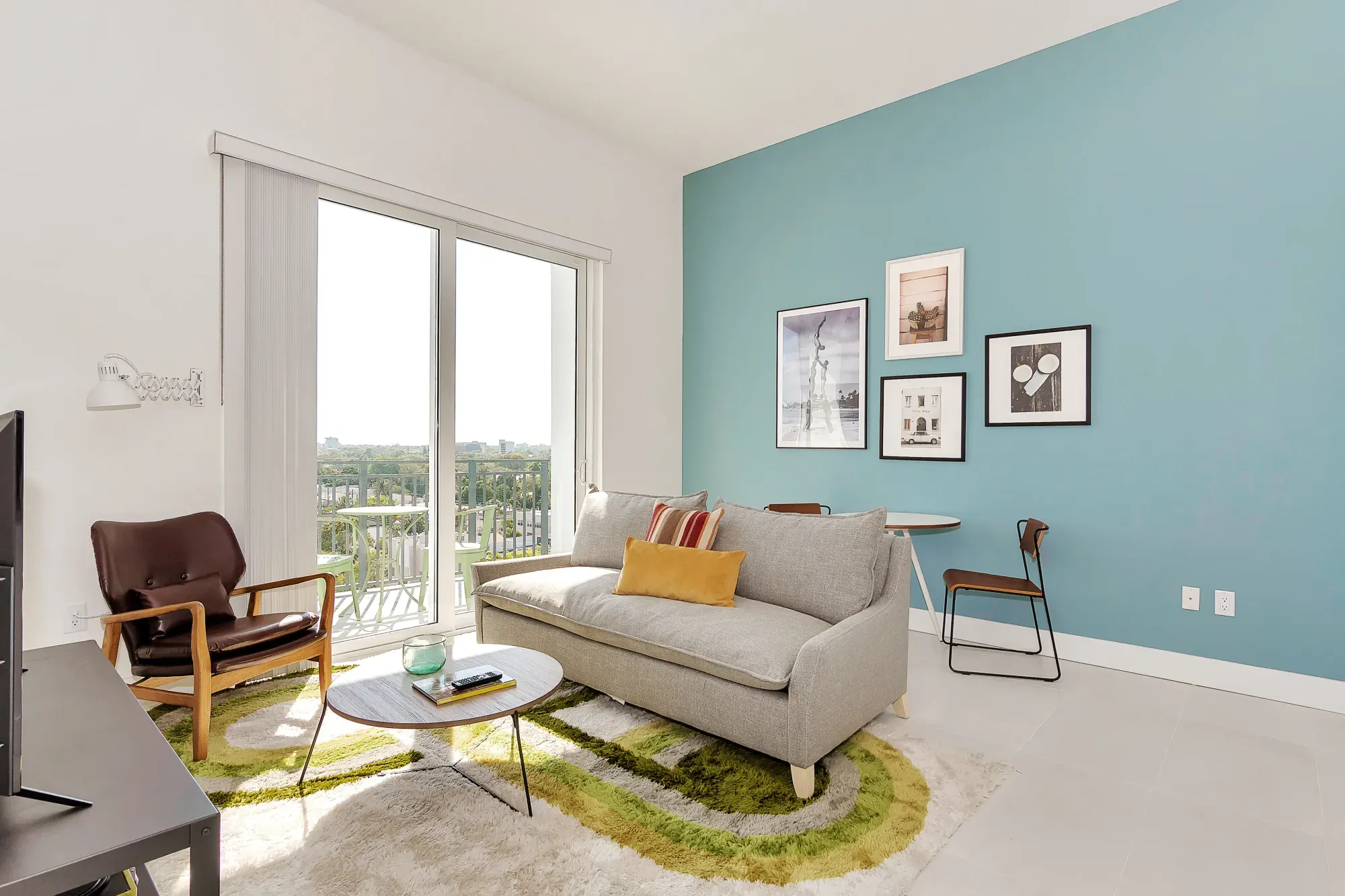
An apartment rental reverses this dynamic. The kids can play in a living room while you make lunch in a proper kitchen. Someone can take a quiet break in a bedroom without the entire family noticing. You have space for your own belongings, not just a tiny suitcase corner. The bathroom is not a bottleneck every morning.
Building a Real Rest Schedule
Family travel experts talk about pacing activities and honoring nap schedules. That advice is sound, but it assumes you have accommodations that support it. If your hotel room is 300 square feet with no kitchen and no living space, “honoring a rest schedule” means lying in bed while everyone stares at a screen. That is not rest. That is confinement.
A proper apartment-style rental lets you build a real rest schedule. Your kids can play quietly in a separate room while you and your partner have coffee in the kitchen. You can cook a simple dinner instead of forcing everyone out to another restaurant. Your oldest can read in a bedroom if the day has been too loud. This is the actual structure that makes vacation feel like a break.
Miami is perfect for this approach because the weather is warm year-round. You are not confined indoors. The city has genuine free attractions: the waterfront, the parks, the neighborhoods worth walking through. But you need an accommodation that lets you step back and reset between those experiences.
The Practical Details That Matter
When evaluating accommodations for a family trip, focus on the specifics that actually impact daily life:
Space per person. A rule of thumb: if you divide the total square footage by the number of family members and get fewer than 300 per person, the space will feel tight. This is not arbitrary. It is about whether everyone has room to exist without friction.
Separate rooms. This is not about luxury. It is about the fact that your twelve-year-old and your ten-year-old process stimulation differently. Being able to separate for an hour changes the entire trip dynamic.
A functional kitchen. This removes the restaurant dependency that kills family budgets and schedules. You can make breakfast without leaving the accommodation. You can prep snacks. Your kids do not have to sit still at restaurants for two hours because everyone is starving and there is nowhere else to eat.
Laundry capability. Families cannot travel for eight days with one suitcase per person. In-unit laundry is not a luxury. It is the difference between bringing enough clean clothes and becoming anxious about running out mid-trip.
Parking. If you are renting a car (which makes sense for a family trip with kids of different ages), free or included parking matters. It changes where you feel comfortable exploring and removes the stress of finding street parking after a day out.
A Real Miami Family Trip Example
Consider this actual pattern: A family of four arrives in Miami on a Friday afternoon. They stay in a standard hotel room (350 square feet, one queen bed and a pull-out sofa, no kitchen). The kids are tired from travel. Everyone is in the same room. By Saturday morning, the room feels suffocating.
To escape, they eat breakfast at a hotel cafe (expensive, kids are cranky, takes ninety minutes). They drive to the beach (parking stress, finding spots, paying premium rates). By noon, the kids are overstimulated from crowds and heat. They return to the hotel for a “rest.”
But the room is hot and small. No one actually rests. Instead, everyone lies on beds watching screens, getting progressively grumpier. By evening, the family is spent. They eat another expensive dinner at a restaurant (because no kitchen exists and no one has energy to search for options). By the time they return to the room, everyone is resentful of the trip.
Now the same family, same weekend, different accommodation. They stay in a two-bedroom apartment (1,400 square feet) with a full kitchen, washer, dryer, and included parking. Friday evening, they unpack properly. They make sandwiches for dinner. The kids fall asleep in a real bed in their own room.
Saturday morning, they wake and make their own breakfast in the kitchen while the kids watch cartoons in the living room. They are not rushing anyone. By 10 AM, they drive to the beach, park free at their building, and spend two calm hours there. When the kids heat up and tire, they return to the apartment. The kids rest in their room. You and your partner sit in the living room with coffee.
By evening, everyone has genuinely recovered. You make a simple dinner together. The kids help. It feels like actual life, just in Miami. By Sunday, the family is rested enough to do one more activity without everyone falling apart.
The difference is not the city. It is the accommodation structure.
Actionable Takeaways
- Prioritize square footage over amenity density. A 1,500-square-foot apartment with basics beats a 350-square-foot room with a gym and pool you will never use.
- Separate bedrooms are non-negotiable. Your kids do not sleep well when they can hear your phone charging. Your patience dissolves when the family has no personal space. Separate rooms cost more upfront but save money on spontaneous restaurant meals and attraction tickets driven by desperation to escape the accommodation.
- Build your itinerary around a rest schedule, not activity density. Plan one substantive activity or outing per day, then protect the afternoons for return-to-accommodation rest, laundry, or casual neighborhood exploration.
- Research the neighborhood, not just the unit. Family-friendly neighborhoods have parks, pedestrian routes, and casual dining options. You need to be able to walk to coffee or a park without a car. This reduces logistics stress.
- Confirm parking and laundry in advance. These two factors determine whether mid-trip logistics are manageable or catastrophic. Do not gamble on them.
Conclusion
Miami is genuinely wonderful for families. It has warm weather, water, walkable neighborhoods, and enough free or low-cost attractions to fill days without budget stress. But the trip only feels like vacation if you stop at your accommodation and actually rest there.
Choose an accommodation that lets your family breathe. The memories will happen in the moments between activities, not during them. The best family vacations are the ones where everyone arrives home actually rested instead of needing a vacation from their vacation.
FAQ
How much space do families actually need for a comfortable trip?
Aim for 300 to 400 square feet per family member. For a family of four, that means at least 1,200 to 1,600 square feet. Below that threshold, the accommodation becomes a source of stress rather than a refuge.
Should we rent a car when visiting Miami as a family?
For families with kids of different ages, renting a car gives flexibility that public transit does not provide. Your ten-year-old might be ready to leave the beach at 2 PM while your twelve-year-old wants to stay until 5 PM. A car lets you move on your family’s schedule instead of a fixed activity timeline.
What time of year is best for family travel to Miami?
March through May and September through November offer warm weather without extreme heat or hurricane season. School break timing matters more than climate. Your family’s capacity for logistics stress determines the best timing far more than weather does.
How do we keep kids from getting bored during a Miami trip?
Boredom often masks overstimulation or fatigue. Kids do not actually need constant activity. They need adequate rest between outings, space to move around, and the freedom to opt out of plans without the family suffering. An accommodation with a living room and kitchen removes artificial constraints that force unnecessary restaurant meals and paid attractions.
Is Miami safe for families traveling with kids?
Miami is safe for families in tourist-friendly neighborhoods. Wynwood, Coral Gables, South Beach, and the Design District are populated by families and are actively policed. Choose an accommodation in these areas and use the same street sense you would in any major city.
What should families budget for a Miami trip beyond accommodation and flights?
Many attractions are free or low-cost: Wynwood Walls, the waterfront, parks, and neighborhood walks. Budget for one to two paid activities or restaurants per day, then supplement with grocery runs from your accommodation. Families who cook some meals instead of eating every meal out reduce costs by 40 to 50 percent.
Leave a Reply