
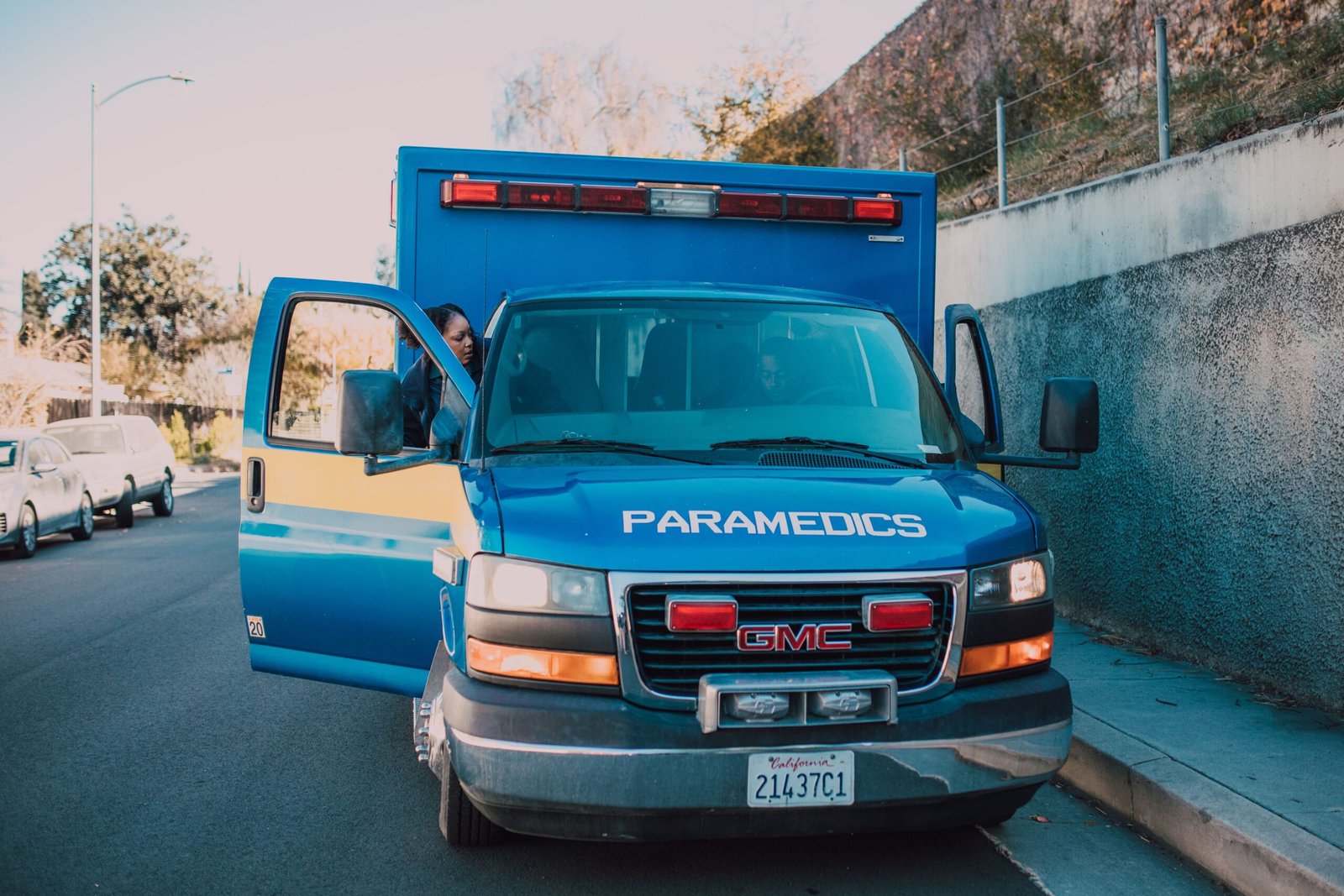
When a medical crisis hits, you usually don’t get a calm minute to think through your options. You react first and process later. That’s exactly why it helps to understand how emergency medical care works before you ever need it. From ambulance response to on-site treatment and hospital coordination, knowing the basics can help you stay calmer, ask smarter questions, and make better decisions when life gets chaotic.
What Happens From Dispatch to Hospital Handoff
Once you call emergency services, a structured process starts moving behind the scenes. The dispatcher gathers details, prioritizes the call, and sends the right level of response. That might be basic life support, advanced life support, or a specialized unit depending on the situation.
When the crew arrives, they usually move fast but not randomly. They assess the scene, check for safety risks, evaluate the patient, and begin treatment. You may hear short, direct questions about symptoms, medications, allergies, and medical history. Those questions matter, even if everything feels rushed.
Many providers of emergency medical services also coordinate closely with hospitals to prepare for arrival. If you’re dealing with trauma, stroke, or cardiac issues, that advance notice can save valuable time. The handoff at the hospital includes a concise report, vital signs, and treatments already given. Think of it less like a drop-off and more like a relay race where fumbling the baton is not an option.
What Emergency Medical Services Actually Do
If you picture flashing lights, a stretcher, and someone yelling into a radio, you’re only seeing part of the story. Emergency medical teams are trained to assess, stabilize, and transport people during urgent health events. That includes heart attacks, strokes, breathing trouble, severe injuries, allergic reactions, and many situations that are messy, fast, and deeply unpredictable.
You’re not just calling for a ride to the hospital. You’re calling for medical care that begins before you reach the emergency room. Paramedics and EMTs can monitor vital signs, manage airways, control bleeding, give certain medications, and communicate with hospital staff on the way. That early intervention often shapes what happens next. In a true emergency, those first minutes are doing much more than moving you from one place to another.
When You Should Call Instead of Waiting It Out
A lot of people hesitate because they don’t want to overreact. Fair instinct, bad gamble. Waiting can turn a treatable problem into a dangerous one. You should think seriously about calling for help when symptoms are sudden, severe, or clearly getting worse.
Common signs include:
– Chest pain or pressure
– Trouble breathing
– Sudden confusion or slurred speech
– Seizures
– Heavy bleeding
– Serious burns
– Fainting that doesn’t resolve quickly
– Suspected stroke symptoms, such as facial drooping or arm weakness
You also shouldn’t try to drive someone yourself if the person might need care on the way. A person having a stroke, for example, may lose consciousness or stop responding during transport. Emergency crews bring treatment, equipment, and communication systems that your back seat definitely does not. Your car is useful, but it is not a mobile ICU, no matter how optimistic your playlist is.
How You Can Help During a Medical Emergency
You do not need clinical training to be helpful. You do need to stay as calm and clear as possible. That sounds obvious until adrenaline shows up and starts rearranging your common sense.
Here’s what helps most:
– Give the exact address and any access instructions
– Describe symptoms clearly and briefly
– Unlock doors or send someone outside to guide responders
– Gather medications or medical ID information if available
– Keep pets secured and the area as clear as possible
– Don’t give food, drink, or medication unless instructed
If the dispatcher tells you to start CPR or another first-aid step, follow directions closely. Dispatch-assisted CPR has helped many bystanders act quickly before crews arrive. If you’re with a teen athlete, an older relative, or a child with severe allergies, learning basic first aid and CPR is one of those useful life skills that deserves more hype than it gets.
The Difference Between EMTs, Paramedics, and Specialized Teams
You’ve probably heard the terms EMT and paramedic used like they mean the same thing. They don’t. Both are important, but their training and scope of practice differ.
EMTs typically provide basic emergency care. They can assess patients, perform CPR, give oxygen, control bleeding, and help with some limited interventions. Paramedics receive more advanced training. They can administer a wider range of medications, interpret heart rhythms, start IV lines, and perform advanced airway management.
Some systems also use specialized teams for critical care transport, event standby coverage, neonatal care, or large-scale incidents. That level of specialization matters more than people realize. A patient needing cardiac monitoring during transfer has very different needs than someone with a sprained ankle at a public event. Emergency care is not one-size-fits-all. It’s more like a tiered response system built to match the messiness of real life.
Real-World Factors That Affect Response and Care
Emergency response is shaped by more than medical skill. Traffic, weather, staffing, geography, and call volume all affect how quickly help arrives. If you live in a rural area, transport times may be longer. In a crowded city, crews may face delays getting through intersections or into secured buildings.
That’s one reason personal preparation matters. Make sure your address is easy to spot from the street. If you live in an apartment, know the gate code or entry instructions. Keep an updated list of medications and conditions, especially for older adults or anyone with complex health issues.
You should also understand that not every emergency looks dramatic. A stroke can seem like mild confusion. Internal bleeding can hide behind pale skin and weakness. Sepsis can start like an infection that suddenly spirals. Emergency medicine often deals with subtle warning signs before the full crisis becomes obvious.
How to Be Better Prepared Before an Emergency Ever Happens
Preparation is boring right up until it becomes brilliant. A few simple steps can make emergencies less chaotic and improve communication with responders.
Start with a basic readiness plan:
– Save emergency contacts in your phone
– Learn CPR and first aid
– Keep allergies and medications documented
– Charge your phone regularly
– Teach family members your home address
– Know the nearest hospital and urgent care options
If someone in your home has a chronic illness, severe allergy, seizure disorder, or heart condition, talk through what to do if symptoms escalate. Teens caring for younger siblings or older relatives especially benefit from this kind of practical planning. Emergencies rarely wait for the most convenient moment, and they certainly don’t check whether you feel ready.
Knowing how emergency medical care works won’t erase fear in a crisis. It will give you something better: a clearer sense of what to do, what to expect, and how to support the people trying to help. In high-pressure moments, that kind of knowledge is more than useful. It can be part of the chain that keeps a bad situation from becoming much worse.
Leave a Reply