
A house looks solid from the outside, but it spends every day in a slow argument with the weather. Rain pushes against it, sunlight bakes it, wind pulls at its edges, and temperature swings make its materials expand and contract a little at a time.
None of this happens quickly enough to notice from one week to the next, which is exactly why so much damage goes unseen until it becomes expensive. The good news is that most of the serious problems homeowners face start small and stay small for a long time.
A structure that is checked regularly and cared for sensibly can shrug off decades of hard weather without ever developing the kind of damage that forces a major repair.
Understanding What Wears a Home Down From Above
Every home takes a steady beating from above, and the layer that faces the sky absorbs far more of it than any other part of the building.
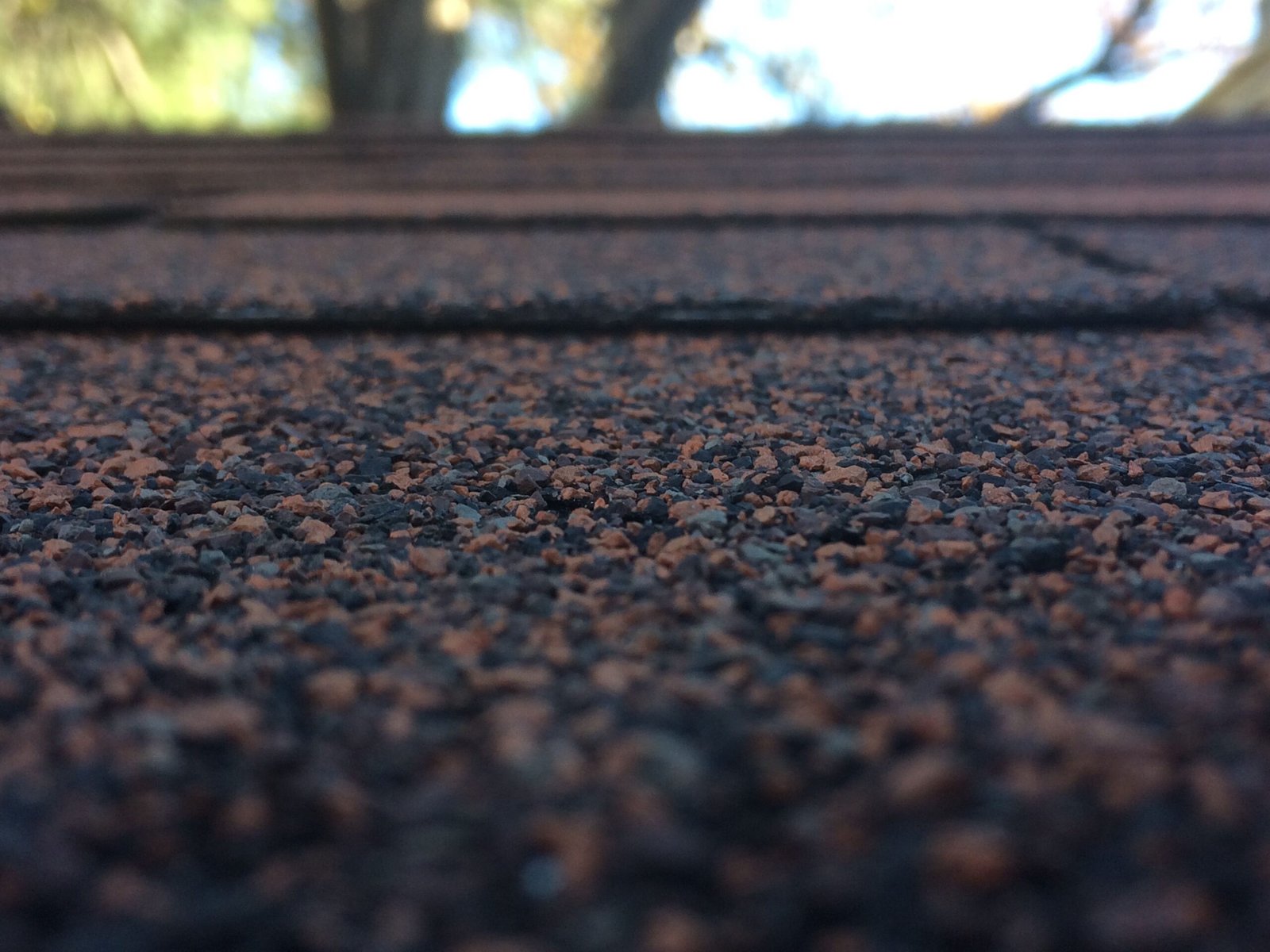
Asphalt shingles handle that exposure well for many years, but they gradually lose the granules and the flexibility that keep water moving off the surface instead of soaking into the structure beneath. Knowing how many good years that covering has left is what tells a homeowner whether the right response is a small repair, a closer watch, or a full replacement.
Anyone who wants a clear picture of that timeline can start with this guide to the asphalt shingle roof lifespan and then compare what they read against what they can see on their own home.
How Moisture Finds Its Way Inside
Water is patient, and it only needs one opening. It travels sideways along beams, soaks into insulation, collects in wall cavities, and shows itself on a ceiling long after the leak began. By the time a stain appears indoors, moisture has usually been at work for weeks or months somewhere the homeowner cannot see. That delay is why interior signs should never be treated as the beginning of the problem. They are the end of a chain that started outside.
Common entry points include gaps around chimneys and vents, worn sealant at flashing joints, cracks in exterior walls, and poorly fitted window frames. Each of these is easy to repair while it is still a gap and difficult to repair once the surrounding wood has softened. Homeowners who check these points twice a year catch nearly all of them in the cheap stage.
Walls, Windows, and Everyday Exposure
The vertical surfaces of a home get less attention than they deserve. Paint and siding are not just decoration; they are the barrier that keeps the material underneath dry. When paint blisters or peels, when siding warps or pulls loose, when caulk around a window shrinks and splits, the protection has already failed at that spot.
Windows deserve a close look in particular. Condensation between panes, drafts on a still day, and frames that feel spongy to the touch all point to moisture getting where it should not be. Sunlight does its own quiet damage too, fading and drying out materials on whichever side of the house catches the most light. That side usually needs attention before the others.
Warning Signs Worth Acting On
Most homes give plenty of notice before something serious goes wrong. The signs are just easy to dismiss. A door that suddenly sticks in its frame, a hairline crack running diagonally from a corner, a musty smell in a closed room, a patch of ceiling slightly darker than the plaster around it, or a soft spot underfoot near an exterior wall are all worth following up the same week they appear.
Outside, look for granules collecting where rainwater lands, dark streaks running down a wall, moss or algae growing on a damp surface, and soil that has pulled away from the base of the house. None of these mean disaster on their own. All of them mean something is holding water that should be shedding it.
Write down what you find and the date you found it, because a mark that spreads over two months tells a very different story from one that has not moved in a year. Photographs taken from the same spot each time make that comparison far easier and give a contractor something concrete to work from. The habit costs nothing and turns a vague worry into information worth acting on.
Seasonal Checks That Keep Small Problems Small
A simple routine beats an ambitious one that never happens. Twice a year, walk the full perimeter of the house slowly and look up, down, and along every surface. Clear the gutters, test the downspouts with a hose, and watch where the water actually goes. Check the attic on a bright day for daylight showing through anywhere it should not, and again after heavy rain for damp patches or a stale smell.
Trim back branches that hang over or rub against the building. Keep vents clear so air can move and moisture can escape rather than settling. Reseal any joint where the old sealant has hardened or pulled away. This is unglamorous work, but it is the difference between replacing a length of trim and replacing a section of wall.
Building Habits That Protect the Structure
Protecting a home is less about big projects and more about small, repeated attention. Look at the house deliberately rather than walking past it. Deal with the minor thing in the month it appears instead of the year it becomes serious. Keep water moving away from the building at every point where it lands.
A house treated this way holds its value, stays comfortable, and rarely surprises its owner with a bill that could have been avoided. The weather is not going to ease up. A well-maintained structure simply stops taking the damage personally.
Leave a Reply