
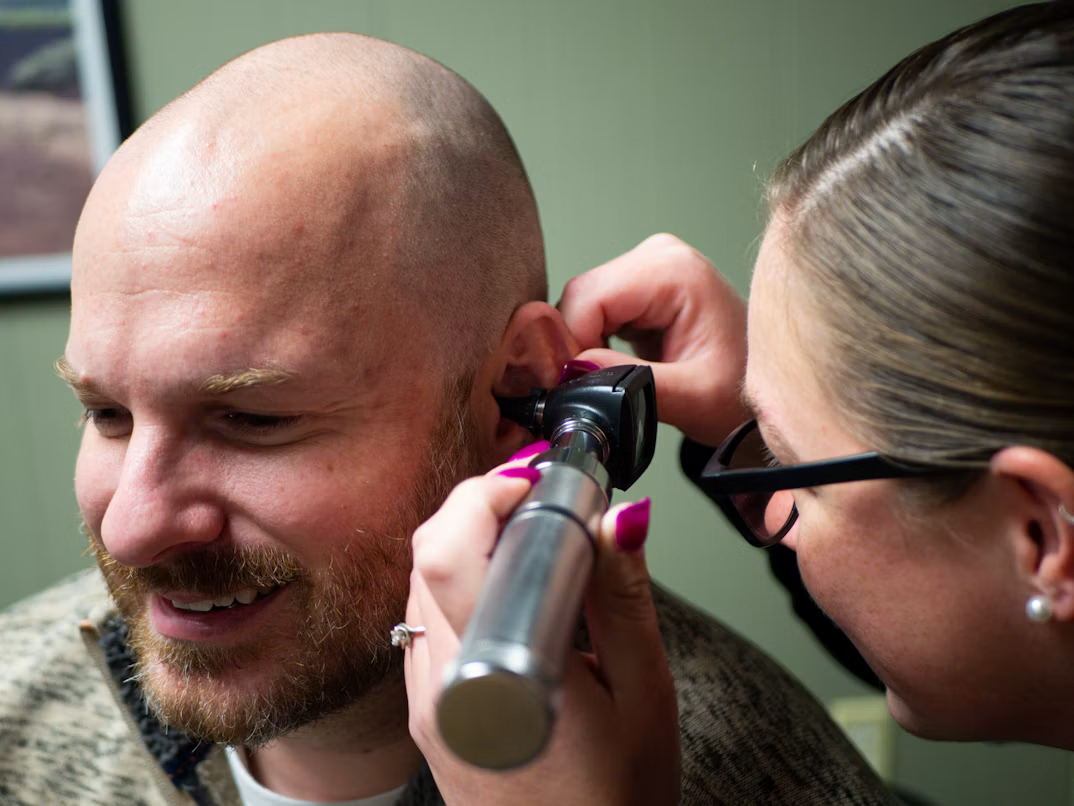
Image Credit: Unsplash
Hearing health deserves a regular place on your wellness calendar, alongside routine medical, dental, and vision appointments. Changes can develop gradually, making them easy to overlook until conversations become tiring or familiar sounds seem less clear. A simple baseline hearing test gives you something useful to compare against later. It can also identify concerns that may be affecting your work, relationships, and everyday confidence without you realizing it.
Beyond Vision and Dental Care
Most annual routines already include an eye exam and dental cleaning, yet hearing often gets attention only after a noticeable problem appears. During your next checkup, add hearing to your list of annual wellness questions. Ask whether your age, family history, health conditions, or past noise exposure suggest that you should arrange a test.
You can also book professional hearing assessments directly if speech has started sounding muffled, you frequently increase the television volume, or people seem to mumble. An audiologist can measure how well you hear different tones and understand speech, then explain the results in practical terms. Testing also creates a baseline even when your hearing falls within the expected range.
Regular hearing tests are just one part of maintaining good auditory health. Developing simple routines and making informed choices can also help protect your ears over time. Explore these ways to take better care of your hearing for practical tips on supporting long-term hearing wellness.
How Auditory Decline Sneaks Up Unnoticed
Gradual hearing changes rarely feel dramatic. Your brain adapts, and you may start relying on context, facial expressions, or lip movements without consciously deciding to do so. Family members may notice first because you ask them to repeat themselves or respond to a different question than the one they asked.
Pay attention to patterns. Difficulty following a conversation in a busy restaurant, missing the doorbell from another room, or feeling unusually tired after a meeting can all justify an assessment. Ringing, buzzing, or a persistent sense of fullness also deserves attention. Seek prompt medical care for a sudden loss of hearing, especially when it affects one side, because sudden changes require a different response from slow age-related decline.
Scheduling Professional Hearing Assessments
There’s no single testing schedule that suits every adult. Your audiologist or medical provider can recommend timing based on your results, symptoms, and risk factors. People with an established hearing concern may need more frequent follow-up than someone who has normal results and no ongoing exposure to loud environments.
Put the appointment on the same recurring calendar you use for dental care or physical exams. Medicare describes what is covered during yearly wellness visits, but coverage for specific hearing services can vary, so check your plan before booking.
At the appointment, bring a list of medications and note when you struggle to hear. Specific examples, such as missing dialogue on television at your usual volume, give the clinician more useful context than saying your hearing feels “off.”
Simple Daily Habits for Auditory Wellness
Small habits can reduce unnecessary strain on your ears. Keep personal audio at a comfortable level and take quiet breaks after concerts, sporting events, or long periods in noisy settings. If someone beside you can clearly hear sound from your earbuds, the volume likely needs adjusting.
Never insert cotton swabs or other objects into the ear canal. They can push wax deeper and irritate delicate skin. Ask a qualified professional for advice if you have discomfort, blockage, or recurring wax buildup.
Give conversations your full attention too. Face the speaker, reduce background noise when possible, and choose a well-lit seat where facial cues are visible. These strategies help everyone communicate more comfortably, but they shouldn’t replace an assessment when difficulties continue. Keep a brief note of repeated problems for two or three weeks, then share that record at your appointment. A clear example from daily life can help turn a vague concern into useful clinical information.
Hearing changes are easier to address when you know what’s happening. Add a hearing reminder to the month of your next annual checkup, and treat any sudden change as a reason to seek care right away.
Leave a Reply