
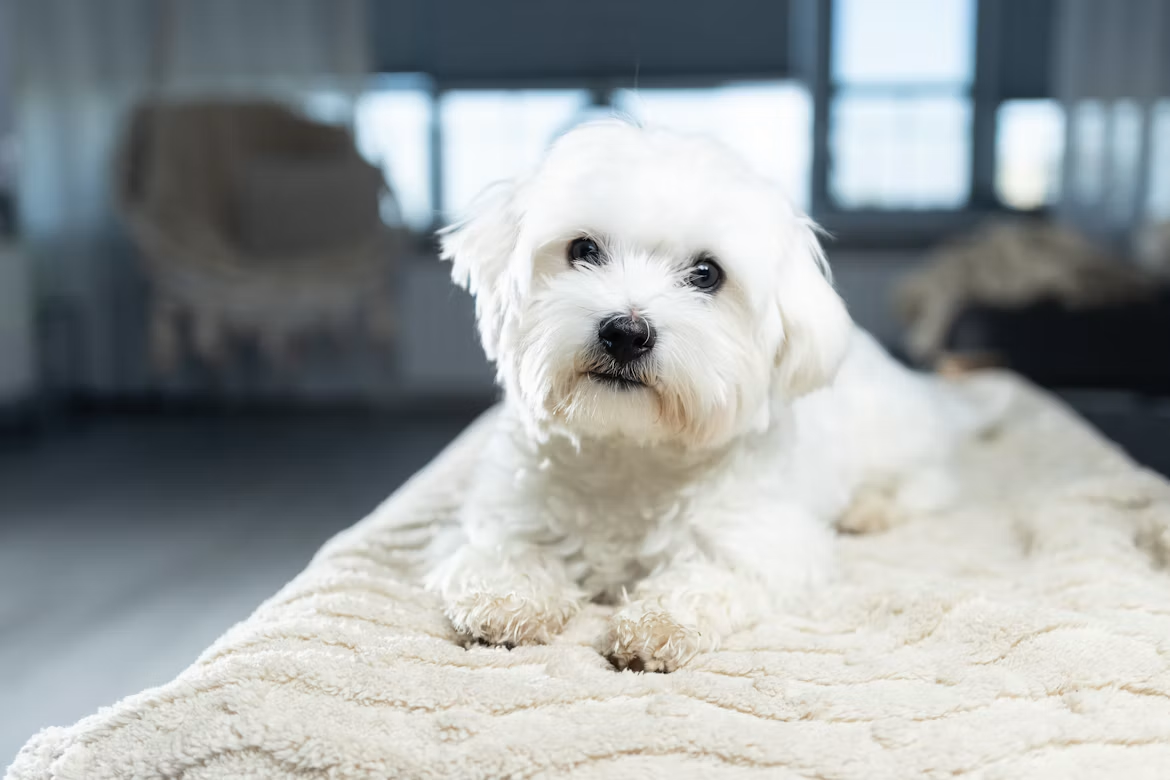
Image Credit: Unsplash
A new dog can bring plenty of fun into your home, along with a surprising amount of cleanup. Accidents are a normal part of puppyhood, but they can leave lasting stains and odors when they soak below the carpet’s surface. Knowing how to respond quickly, train consistently, and recognize more serious damage will make those first few months much easier for everyone in the household, especially for a first-time dog owner.
The Reality of Puppy Potty Training
Puppies need frequent bathroom breaks because they have limited bladder control. A young puppy may need to go outside after waking, eating, drinking, playing, and spending time in a crate. During active parts of the day, that can mean a trip every 30 to 60 minutes. Even a puppy that seems to understand the routine may have an accident when excited, distracted, or adjusting to a new home.
Consistency matters more than expecting immediate progress. Take your puppy to the same outdoor area, use a simple cue, and offer praise or a small treat as soon as the puppy finishes. Prompt rewards help connect the behavior to the positive response. Dunbar Academy’s guidance on early potty training also emphasizes giving puppies plenty of opportunities to use an appropriate area.
Keep a basic record of meals, water intake, bathroom trips, and accidents for several days. Patterns often appear quickly. If accidents regularly happen 20 minutes after breakfast, for example, you can schedule an outdoor trip before that point.
Punishment can make a puppy fearful without teaching the desired behavior. If you catch an accident in progress, calmly interrupt and head outside. If you find it later, simply clean the spot. This detailed potty training guide can also help you build a patient routine that works for your household.
Spot Cleaners Rarely Solve the Problem
A visible mark on the carpet represents only part of an accident. Liquid can pass through carpet fibers and enter the backing, padding or subfloor. A quick spray may improve the surface, but it often leaves material below where you can’t see it. Moisture can also spread outward, making the affected area larger than the original spot.
Start by blotting a fresh accident with clean white towels. Press firmly and replace the towels until they absorb very little moisture. Avoid scrubbing because friction can push the mess deeper and damage carpet fibers. Follow the care instructions for your carpet and test any cleaning product in a hidden area before treating the stain.
Strong fragrances may temporarily cover an odor, but they don’t remove its source. Harsh cleaning products can also discolor carpet or leave residue that attracts dirt. Common potty training mistakes include giving a puppy too much unsupervised freedom, which can allow repeat accidents in hidden corners.
Call for professional help when a smell returns after cleaning, several accidents have occurred in the same room or you’ve moved into a home with old pet odors. For families in Spokane Valley and surrounding areas, professional pet stain odor removal may involve UV light inspection, enzyme treatment and hot water extraction to find and treat contamination below the visible surface.
Proven Solutions for Deep Urine Damage
Urine changes as it dries. Some components evaporate, while concentrated residue remains in the carpet and padding. Humid weather or moisture from cleaning can reactivate that residue, which explains why a room may smell clean one day and unpleasant the next. Repeated accidents make the problem harder because each new incident can soak into the same layers.
Enzyme-based cleaners are designed to break down organic material instead of simply covering its smell. They need direct contact with the entire affected area and enough dwell time to work. Read the label carefully since product directions vary. Applying too little may leave deeper residue untreated, while soaking the floor without proper extraction can create a separate moisture problem.
A UV inspection can help locate old accident areas that aren’t easy to see under normal lighting. It isn’t a perfect diagnostic tool because some household products also glow, but an experienced cleaner can use it alongside odor checks and a review of the room’s history. Hot water extraction can then remove loosened material and cleaning residue from carpet fibers.
Severe cases may require lifting the carpet, replacing sections of padding or sealing a contaminated subfloor. This is more likely when a dog has repeatedly used one location over several months. Ask a professional to explain which layers are affected before approving the work. A clear assessment should distinguish between surface cleaning, padding treatment and structural repair so you know what the service is intended to fix.
After cleaning, keep pets away until the area is fully dry. Open windows when weather allows, run fans and follow any ventilation instructions provided with the treatment. Complete drying helps prevent musty odors and lets you judge whether the original smell has actually been removed.
Establishing a Gentle Daily Routine
A predictable schedule helps a dog learn where to go while reducing the number of stains you’ll need to clean. Begin each morning with an immediate outdoor break, then plan another shortly after breakfast. Continue with trips after naps, energetic play and long drinks. Take your dog out once more before bedtime.
Supervision is especially useful during the first few weeks. Keep the puppy in the same room as you, use baby gates to limit access or create a comfortable puppy-safe area when you’re busy. Watch for sniffing, circling, pacing or suddenly leaving the room. These small signs often appear just before an accident.
If your dog has an accident, clean it without turning the moment into a confrontation. Dogs may return to areas that still carry familiar scents, so prompt and thorough cleanup supports the training routine. Keep towels, disposable gloves and an appropriate cleaner together in an easy-to-reach caddy. Fast access matters when you’re also trying to guide a puppy outdoors.
Gradually increase freedom after your dog has shown reliable habits for several weeks. Open one additional room at a time and continue supervising. If accidents return, reduce access for a few days and increase bathroom breaks. Temporary setbacks can happen during schedule changes, illness, bad weather or periods of excitement.
A sudden increase in accidents deserves attention, especially in a previously house-trained adult dog. Frequent urination, straining, unusual thirst or discomfort may point to a medical issue. Contact your veterinarian instead of assuming the behavior is disobedience.
The early puppy stage can feel repetitive, but those scheduled outdoor trips and quick cleanups build habits that protect your floors for years. Keep the leash by the door, reward successful bathroom breaks right away and treat returning odors as a sign that the floor needs a closer look.
Leave a Reply