
Image credit: Unsplash
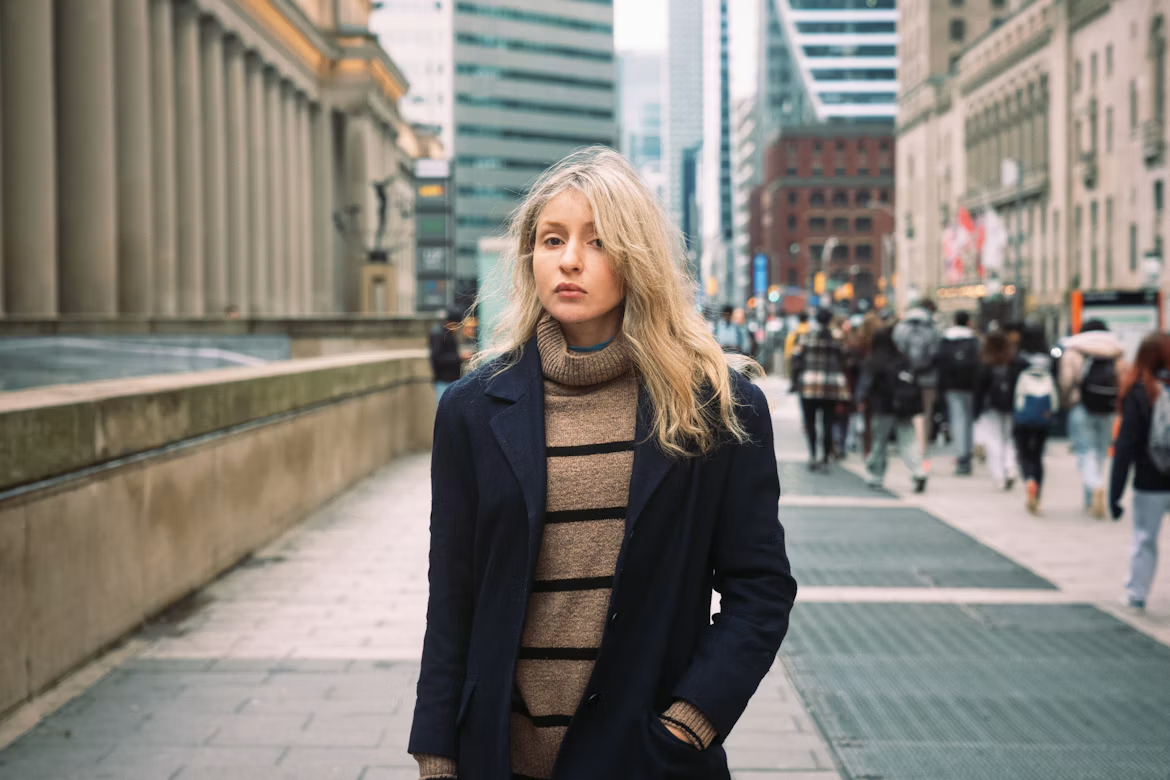
Transitional dressing works best when every layer has a clear purpose. A light base keeps you comfortable, a mid-layer adds warmth, and an outer layer protects you from a cool breeze or brief shower. The challenge is keeping that combination stylish without feeling bulky. A flexible color palette, breathable fabrics, and a few practical silhouettes will help you build outfits that work from chilly mornings through warmer afternoons.
Why Transitional Dressing Feels Tricky
Between-season weather can shift several times in one day. You might leave home at 50°F, step outside at lunch in bright sunshine, and return after sunset when the temperature has dropped again. Heavy winter clothing quickly becomes uncomfortable, while a single lightweight top may leave you cold.
Building outfits around versatile pieces for between-season weather gives you more flexibility than relying on one thick layer. Check the hourly forecast before getting dressed and look at temperature, wind, and rain. If the day includes a 10-degree swing, choose an outer layer that you can carry easily or fold into a roomy tote.
Strike the Balance Between Warmth and Weight
Start with a soft, breathable base such as a cotton T-shirt, a fine knit top, or a long-sleeved jersey. Add one insulating piece, such as a cardigan or lightweight sweater, then finish with an unlined jacket. Three thin layers give you more control than one heavy coat and make it easier to adjust throughout the day.
Keep the longest or loosest garment on the outside so each layer sits smoothly. A fitted tee works beneath a relaxed shirt, while a slim knit layers easily under an unlined jacket. If your upper half has several layers, balance the look with straight-leg jeans, a simple midi skirt, or tailored pants.
Lean Into Utilitarian Silhouettes
Practical shapes suit unpredictable weather because they combine structure with room for layering. Look for jackets with patch pockets, adjustable cuffs, and relaxed shoulders. These details bring definition to basic outfits while leaving enough space for a knit underneath.
Styles such as ladies military jackets work particularly well here because their structured, utility-inspired shape adds definition without making the outfit feel overly heavy. Wear one with a striped top, cropped pants, and loafers for daytime plans, then switch to a silky blouse and ankle boots for dinner.
Keep the color scheme focused on two or three shades. Olive, navy, stone, and cream mix easily, while black accessories can sharpen a softer palette. Roll the cuffs once to reveal the layer underneath and create a lighter, less bundled appearance.
Smart Textures for Unpredictable Forecasts
Fabric choice affects comfort as much as garment weight. Cotton poplin and lightweight denim allow air to circulate on mild days, while merino wool provides warmth without much bulk. A tightly woven outer layer can also block a breeze more effectively than a loose, chunky cardigan.
Pair smooth cotton with a brushed knit or combine denim with a fluid skirt. On damp days, avoid absorbent hems that brush the ground. A cropped trouser or mid-length skirt will stay neater, especially when paired with closed shoes and socks that provide a little extra warmth.
Finishing Touches That Pull Looks Together
Accessories should help you respond to the forecast without overcrowding the outfit. A medium-weight scarf can cover your neck in the morning and tuck into your bag later. Compact sunglasses, a small umbrella, and an extra pair of socks are also useful when conditions change unexpectedly.
Use footwear to anchor the whole look. Loafers and low ankle boots work well during cooler weeks, while clean sneakers suit dry, milder days. Repeat one color across two details, such as a tan belt and tan shoes, to make mixed layers feel intentional. Before leaving home, remove any item that feels fussy or difficult to carry. The best transitional outfit lets you take off one layer at noon, put it back on after sunset, and still feel comfortably put together.
Leave a Reply