
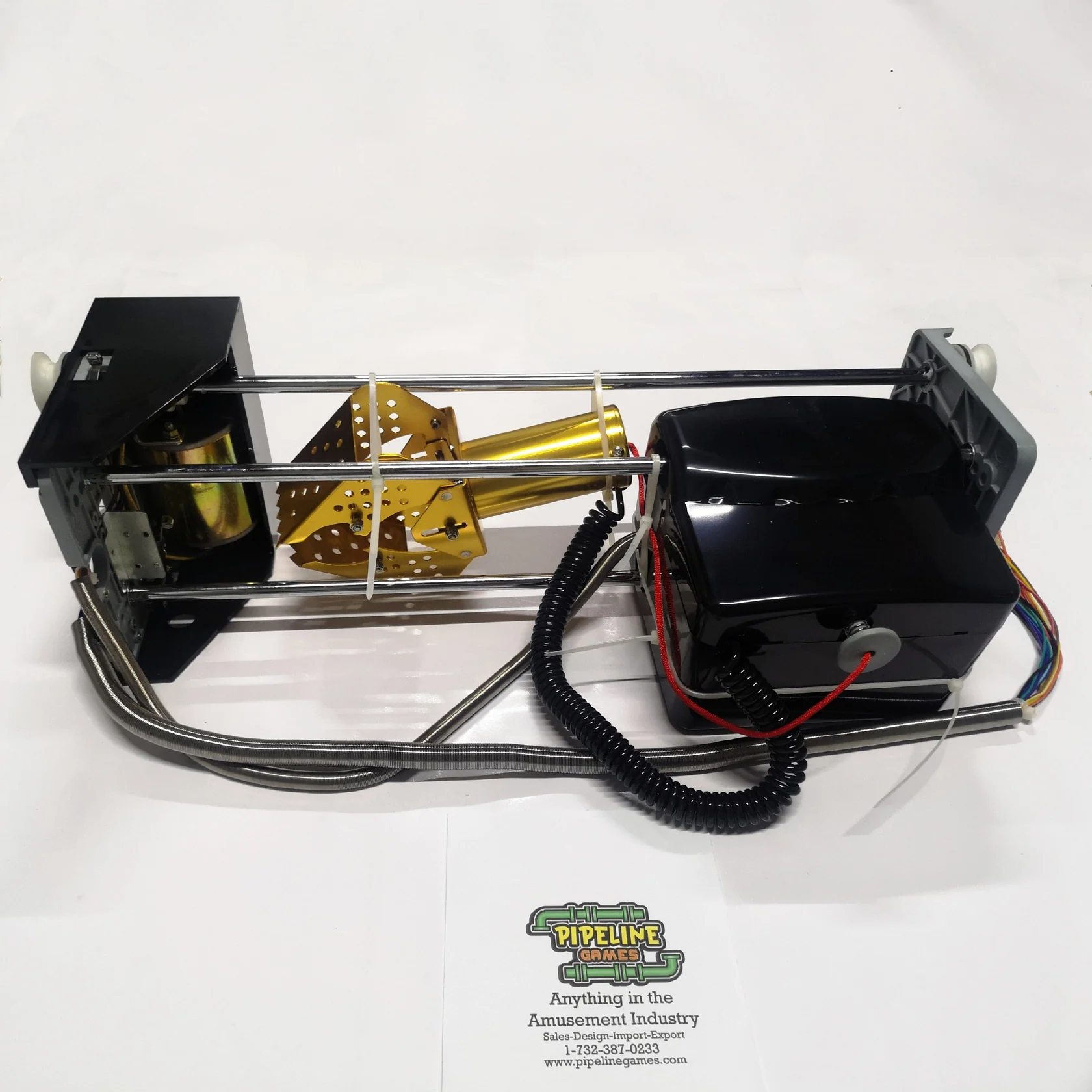
A claw machine that drops prizes or ignores joystick input can frustrate players and cut into earnings. Many faults start with simple causes, such as an obstructed track, a loose connection, or a setting that changed during cleaning. A careful inspection can separate routine problems from failures that need a technician. Before opening a cabinet or ordering components, operators should record the symptoms and check the machine’s basic functions. Start with the grip.
Check the Claw’s Grip
First, note when the claw loses its grip. If it closes but releases a prize before reaching the chute, inspect the prize weight and claw movement. An overloaded prize bed can prevent the claw from closing securely around an item. Test the machine with a lightweight prize in an open area. Watch whether all prongs close evenly and whether the claw keeps its grip as it rises. If one prong lags or hangs, inspect for a bent arm, loose fastener, or tangled prize material.
With power disconnected, check the claw assembly for visible wear or obstruction. Do not force a stuck mechanism, since that can damage moving parts or wiring. A damaged claw, cable, or gantry part needs a replacement that matches the machine model. The Claw Machine Replacement Parts listing includes components such as gantries, prize chutes, fuses, and control boards. Compare part names and machine details before purchasing, because similar-looking assemblies can differ by model or cabinet width. Clear identification saves time during troubleshooting and reduces the risk of installing an incompatible component.
Inspect the Joystick and Controls
When a joystick won’t move, check the simplest possibilities first. Confirm that the machine has power, the game is in its ready state, and any service or play switch sits in the correct position. Look for a visible obstruction around the joystick.
Move the joystick slowly in each direction and note the response. A dead direction may indicate a control switch, wiring connection, or input board issue; no response in any direction could suggest a broader power or control fault. Record which movements work before changing anything.
If the joystick feels loose or does not return to center, inspect its mounting and surrounding wiring with the machine unplugged. A loose connector can interrupt input, while a worn joystick assembly can produce inconsistent movement. Stop if a wire is damaged or a board needs testing.
Check the Travel Path
A claw that responds to the controls but stops short often has a travel-path issue. Inspect the gantry rails for visible debris, prize strings, or objects that block movement. Check whether the carriage sits squarely and whether its cable appears caught or slack.
Disconnect power before clearing an obstruction or touching the gantry. Do not pull on a cable or force a motorized carriage. After removing a visible blockage, restore power and test one short movement in each direction while keeping hands clear.
Listen for changes during operation. A clicking sound, grinding noise, or repeated stall can help locate a mechanical problem, but it won’t identify the failed part on its own. Note the direction, location, and timing, then stop testing if the carriage binds.
Review Power and Settings
If controls and movement work but the claw grip seems weak, check the game’s strength and payout settings. A recent reset or adjustment can change how the claw behaves. Compare the current settings with the operator’s documented baseline, and avoid changing several values at once.
A machine that resets, flickers, or shuts down needs a careful power check. Inspect the plug and visible external cord for damage, and confirm the outlet works with an appropriate test. Do not open a powered cabinet or handle internal electrical components.
Fuses and boards can fail, but repeated fuse failures signal an underlying problem, not a reason to keep replacing fuses. Use only the specified fuse type and rating listed for that machine. Leave internal power testing and board-level diagnosis to a qualified technician.
Conclusion
A symptom log makes the next decision clearer. Record whether the claw closes, holds a lightweight prize, and travels in every direction; include noises, recent adjustments, and visible damage. Then compare the machine model with the part identification before ordering anything. If the fault involves internal wiring, repeated fuse failure, or a damaged control board, stop testing and contact a technician. That boundary protects the machine and gives the technician useful diagnostic details.
Leave a Reply