
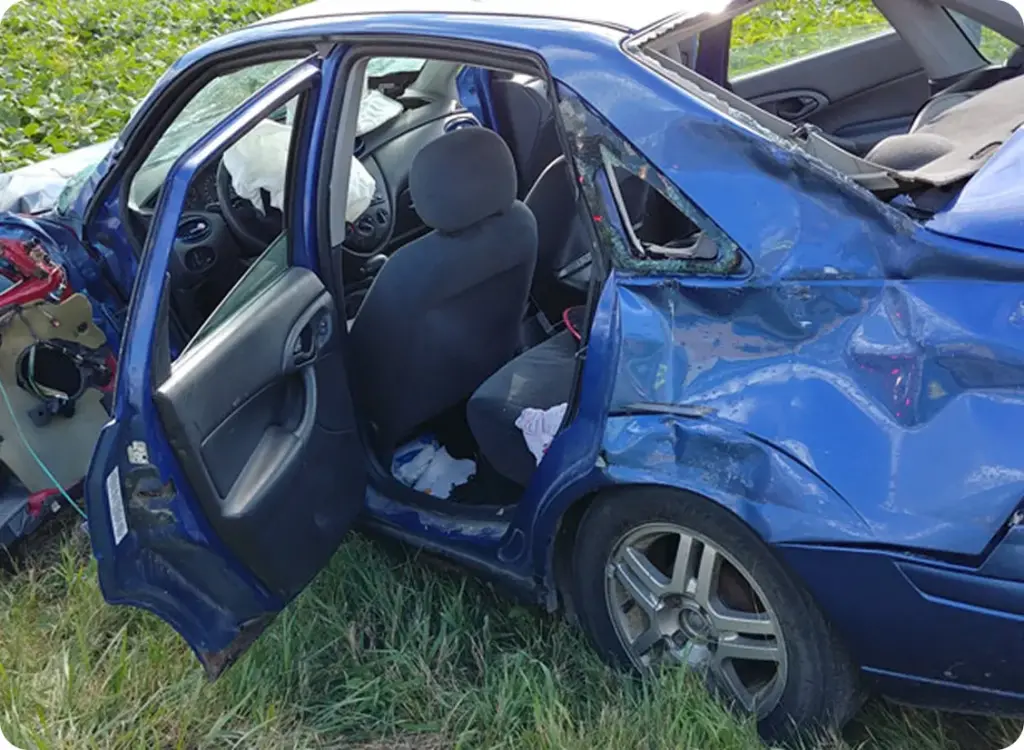
An old Isuzu ute or light truck can become costly to keep once repairs interrupt jobs, parts are increasingly difficult to source, or the vehicle no longer suits the work. Leaving it unused also ties up space and delays a clear decision. Knowing how wreckers assess, dismantle, and collect commercial vehicles helps you choose a practical next step before costs and inconvenience grow.
Why Old Work Vehicles Still Have Value
A vehicle that no longer earns its place in a business can still contain useful components. Its engine, gearbox, doors, mirrors, wheels, and other parts may suit repairs to another vehicle, depending on their condition and demand. Even damaged or incomplete vehicles have materials that can be separated for recycling.
The vehicle’s condition matters more than its age alone. A ute with a sound engine but damaged bodywork presents a different assessment from a truck with major mechanical faults. Share accurate details about faults, missing parts, and accident damage so a wrecker can judge whether reuse, dismantling, or material recovery is the likely route.
Searches such as ‘Isuzu car wreckers Melbourne‘ can help identify local options, but read the destination page rather than relying on its label: the linked page here describes Suzuki wrecking, not Isuzu. Confirm directly that the yard accepts your exact Isuzu model and commercial use, and ask how it handles non-running vehicles before arranging collection.
What Happens During Dismantling
A recycler typically checks the vehicle’s identity, condition, and accessible components before deciding how to process it. Reusable parts can be removed for assessment, while damaged components and recoverable materials follow separate handling routes. The exact process depends on the vehicle and the recycler’s facilities.
Fluid handling also matters. Oils, coolant, fuel, and other fluids need appropriate handling rather than uncontrolled release. Ask whether the dismantler manages these materials as part of its process and how it deals with components that require special handling. Local requirements vary, so a responsible operator should explain the steps relevant to the vehicle.
Reuse depends on demand and condition, not on the badge alone. A common work vehicle with serviceable parts may be easier to dismantle for reuse than a heavily damaged vehicle with missing components. No single outcome is guaranteed, so ask what the assessment considers before comparing a quote.
Prepare the Vehicle Before Requesting a Quote
Clear information helps a recycler assess the vehicle and plan collection. Before calling, gather the details and access information that affect the assessment.
- Record the model, approximate year, and whether the vehicle starts.
- Describe mechanical faults, accident damage, and missing parts accurately.
- Take clear photos of the exterior, interior, and visible damage.
- Check that the collection point has room for loading equipment.
Remove tools, documents, personal items, and business equipment before pickup. Check storage compartments and under the seats, since small items are easy to overlook when a vehicle has served as a mobile workshop. Keep any keys and available vehicle records ready, and ask the recycler what documents it needs for the handover.
Choose a Recycler for the Job
A suitable recycler should confirm that it handles the vehicle type, not just passenger cars. Isuzu work vehicles vary in size and configuration, so describe whether yours is a ute, van, or truck, and explain whether it can move under its own power. Mention low clearance, tight access, or an underground parking location before setting a collection time.
Compare offers on the same basis. Ask whether the quoted amount depends on an inspection, whether collection costs extra, and what could change the offer when the vehicle is checked. A clear explanation helps prevent a mismatch between the initial estimate and the final assessment.
Also ask who arranges loading and what happens if the vehicle cannot roll or steer. Confirm the pickup window and how payment is handled before agreeing. These practical details matter for a work vehicle parked at a depot or job site, where delays can affect access and daily operations.
Plan the Handover Carefully
Before collection, make sure the vehicle is accessible and that someone can meet the driver if needed. Tell the recycler about gates, site rules, restricted hours, or other obstacles in advance. For a business vehicle, coordinate with the person responsible for keys, records, and authorising its removal.
Remove company property, tools, fuel cards, and any identifying material that should not leave with the vehicle. Check the cabin, tray, glove compartment, and toolboxes. If equipment is fitted permanently, clarify whether it stays with the vehicle or needs removal before pickup.
At handover, confirm the agreed payment and obtain a receipt or other record of the transaction. Keep any documents you need for business records, then follow the relevant state process for notifying the authorities that the vehicle has changed hands or been disposed of. Requirements depend on the vehicle and circumstances, so check what applies before the collection.
Conclusion
An unused Isuzu work vehicle deserves a decision based on its condition, recoverable parts, and the practical cost of keeping it. Get an accurate assessment, confirm that the recycler accepts the vehicle type, and settle collection and payment details before pickup. Remove business property and retain a record of the handover. Those steps make disposal clearer and give usable parts and materials a chance to return to service.
Leave a Reply