
Whether you are a competitive athlete, a fitness enthusiast, or someone who enjoys casual weekend sports, physical activity offers incredible physical and psychological health benefits. However, high-intensity movements, sudden directional shifts, and heavy physical exertion carry an inherent risk of injury.
Understanding the mechanics of common sports injuries, knowing how to administer immediate first aid, and following proper recovery pathways are crucial for long-term health, mobility, and athletic performance.
Understanding Sports Injuries: Acute vs. Chronic
Sports injuries are broadly classified into two categories based on how they develop: acute injuries and chronic (overuse) injuries.
- Acute Injuries: These occur suddenly during movement as a result of a specific impact or traumatic event. Examples include twisting an ankle landing from a jump, colliding on the field, or taking a fall. Symptoms typically present immediately with sharp pain, localized swelling, bruising, and restricted mobility.
- Chronic Injuries: Unlike acute trauma, chronic injuries develop gradually over weeks or months due to repetitive mechanical stress without adequate rest. Frequently triggered by overtraining, improper technique, or inadequate footwear, chronic conditions often start as minor discomfort before progressing to severe pain.
Most Common Sports Injuries
1. Sprains and Strains
Sprains and strains are among the most frequent injuries across almost all athletic disciplines.
A sprain involves stretching or tearing a ligament, the tough band of connective tissue connecting bone to bone. Ankle, knee, and wrist sprains are exceptionally common. A strain, on the other hand, refers to an injury to a muscle or tendon. Hamstring pulls, groin strains, and calf injuries frequently happen during sudden bursts of speed or jumping.
2. Ligament Tears and Joint Dislocations
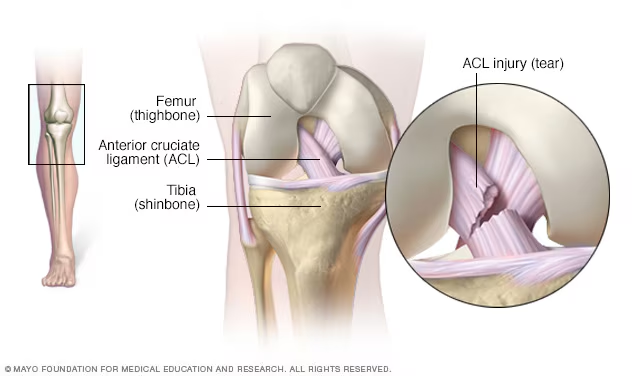
High-impact sports carry a heightened risk of structural joint damage. Anterior Cruciate Ligament (ACL) tears in the knee often occur when pivoting suddenly or landing awkwardly. Shoulder dislocations happen when extreme force pops the upper arm bone out of its socket, requiring professional medical intervention to reset and rehabilitate the joint.
3. Tendonitis and Stress Fractures
Repetitive motion in sports like running, basketball, and tennis can cause chronic inflammation of the tendons, known as tendonitis (such as Achilles tendonitis or tennis elbow). If persistent stress on bones continues without sufficient healing time, microscopic cracks called stress fractures can develop, particularly in the shin bones and feet.
4. Facial and Dental Trauma
Contact sports such as soccer, basketball, and martial arts also carry risks of direct facial impacts. Beyond cuts and nasal fractures, dental injuries like cracked, loosened, or knocked-out teeth are frequent occurrences on the field. While custom protective mouthguards significantly mitigate these risks, unexpected impacts can still cause severe damage. In situations where natural teeth are severely compromised or lost to athletic trauma, modern restorative treatments like full arch implants in Warrensburg offer long-term solutions to fully restore oral function, alignment, and confidence.
Immediate First Aid: The R.I.C.E. Protocol
For minor to moderate acute soft-tissue injuries, administering immediate first aid within the first 24 to 48 hours can limit tissue inflammation and speed up recovery times. The medical standard remains the R.I.C.E. protocol:
- Rest: Cease physical activity immediately to prevent further damage to the injured muscle or joint.
- Ice: Apply cold packs wrapped in a light towel for 15 to 20 minutes every two to three hours. This reduces localized blood flow, minimizes swelling, and numbs acute pain.
- Compression: Gently wrap the area with an elastic compression bandage to keep swelling contained. Ensure the wrap is comfortable and not tight enough to restrict arterial circulation.
- Elevation: Prop up the injured limb above heart level whenever resting to encourage fluid drainage away from the site of injury.
Comprehensive Treatment and Rehabilitation
While mild sprains and minor strains often resolve with rest and self-care, moderate to severe injuries require professional evaluation. Physical therapists play a central role in rehabilitation, designing targeted exercise programs that rebuild strength, restore flexibility, and improve joint stability.
For severe ligament ruptures, joint instability, or complex bone fractures, surgical repair may be necessary. Following a structured physical therapy regimen after surgery ensures that tissues heal properly and reduces the risk of re-injury when returning to your sport.
Essential Strategies for Injury Prevention
Preventing an injury is always preferable to recovering from one. Active individuals can protect their bodies by building proactive habits into their athletic routines:
- Warm-Up and Cool-Down: Dedicate 10 to 15 minutes before activity to dynamic stretches and light cardio to prepare muscles and joints. End sessions with static stretching to maintain muscle length and flexibility.
- Cross-Training and Rest: Vary your activity to avoid overloading specific muscle groups. Integrate dedicated rest days into your weekly schedule to allow tissues time to repair.
- Proper Gear and Form: Wear well-fitting, sport-specific protective equipment and footwear. Work with coaches or trainers to refine your movement mechanics and reduce unnecessary stress on your joints.
Final Thoughts
Staying physically active is key to long-term health, but listening to your body is equally important. By recognizing early signs of strain, applying prompt first aid, and committing to proper rehabilitation—whether for muscular rehab, joint repair, or restorative oral health—athletes can protect their physical well-being, stay resilient, and enjoy their favorite sports safely for years to come.
Leave a Reply