
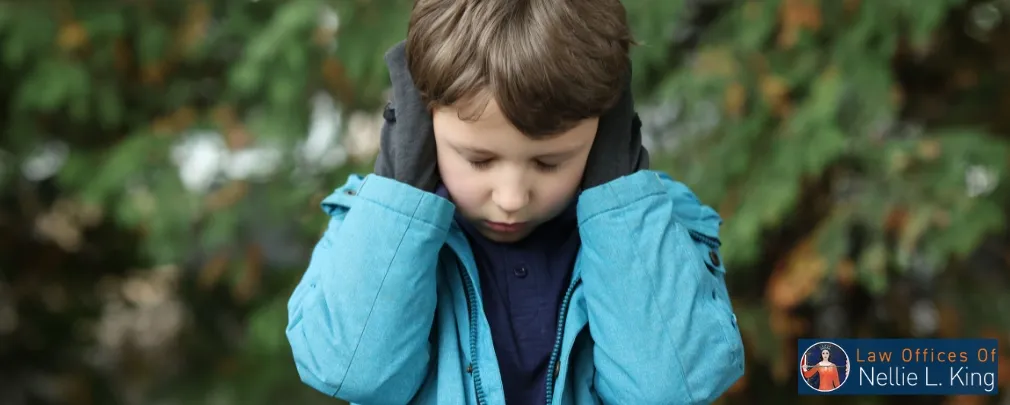
Autism in the United States has increased its presence to one in 31 from the previously recorded statistic of one in 36 children. According to the Centers for Disease Control and Prevention, boys are about 3.4 times more likely to be diagnosed with autism than girls.
Autism is an important element in cases involving the prosecution or defense of criminal charges. As a result of this condition, individuals may have problems communicating, understanding social cues, dealing with authority, or reacting to stressors. The behaviors associated with autism spectrum disorder (ASD) may be misunderstood in criminal matters and also misrepresented in court proceedings by the prosecution.
A criminal defense attorney offering legal assistance to an autistic defendant can establish a substantial defense, present allegations of incompetence, and present weakness during interrogation if they take advantage of their client’s diagnosis.
The key point here is that autism by itself does not excuse criminal responsibility, but it could help explain the defendant’s behavior or provide a legal option for appropriate disposition.
Let’s discuss the factors that influence the autism criminal defense strategy of legal teams and how comprehending them can be extremely critical for securing a favorable outcome.
Key Characteristics of Autism
Autism is defined as a genetic-neurological disorder that greatly alters the way humans establish relationships with others and perceive life in general. An individual suffering from autism spectrum disorder is associated with abnormal sensory processing. These conditions make them hypersensitive in hearing, vision, and touch. They show an extremely narrow focus on specific subjects, behavior, and environment.
As a result of the difficulty that children with autism have when it comes to understanding social cues, specific communication is sometimes challenging. They appear to be detached from normal things unless their method of expressing themselves falls under verbal or nonverbal communication.
Knowing these basic traits of an individual with autism can help in the implementation of better support for them. Awareness of these elements can also contribute to the establishment of a more inclusive learning environment for them.
How Autism Affects Interactions With Law Enforcement
For example, atypical ways of communicating could cause some of the confusion that the autism community faces when interacting with law enforcement authorities.
The officers will ask an autistic person basic questions, which will create an overwhelming experience that will lead them to respond in unpredictable ways. The officers will see a person’s refusal to make eye contact and failure to understand nonverbal communication as signs of resistance and avoidance. These outcomes will make the situation worse.
Loud noises or bright lights could overwhelm people with autism, leading them to feel anxious or disturbed by sensory overflow. They might also find it difficult to understand all the presented information. The unknown nature of your reactions can negatively impact the approaching officer.
The above would prepare either you or an autistic family member for a future encounter with law enforcement by aiding communication for self-advocacy or changes as needed.
How Communication Impacts Criminal Defense for Autistic Individuals
Police interactions reveal communication problems that persist through autism spectrum disorder clients’ legal defense process. Your communication style exists completely outside neurotypical communication standards, which makes you vulnerable to misinterpretation of your behavior and speech.
Your defense will suffer from miscommunication since people have wrongly interpreted your spoken words and physical actions.
The lawyer who represents your side needs to understand all communication details to accurately defend your interests. Your attorney must present your responses to the court and jurors as evidence that does not indicate your guilt or any intention toward wrongful conduct.
How you present yourself to the court will speak volumes about the outcome of your case, with misunderstandings resolved and your rights protected.
According to Foley criminal defense lawyer Angela Walker, stress is always associated with dealing with criminal charges. This issue makes it necessary to join hands with an effective criminal attorney who can fight for your rights and respect your predicament.
Beyond criminal matters, navigating the complexities of personal injury claims also presents significant stress and requires skilled legal representation to secure appropriate compensation for damages suffered. This is why it’s crucial to consult with an injury lawyer who can effectively advocate for your rights and manage the intricate legal process. Such professionals are adept at evaluating the full extent of an injury, negotiating with insurance companies, and, if necessary, representing clients in court to ensure a fair resolution.
Beyond criminal matters, navigating any legal challenge, such as those arising from personal injury, similarly demands clear communication and diligent representation to protect your interests and ensure a fair outcome, a need often met by Cifarelli Law Firm. This includes meticulous documentation of incidents and injuries to support your case effectively.
Clear communication can significantly impact your defenses.
Essential Legal Rights and Necessary Accommodations for Autistic Individuals in Court
Court can be tediously taxing for anyone, but it is worse for someone who does not know his or her rights.
You possess the right to accommodations that will make dealing with the legal world less challenging. These accommodations could include asking for a space that is not noisy while trials are in session and being allowed to make use of assistive communication devices.
Disclosure of your attorney-specific requirements is important so the court can prepare to provide your required environment. The judiciary must inform you about proceedings, so you can always ask if you’re confused.
The need for individualized legal support can also arise when an autistic individual is dealing with an injury or other harm outside of the criminal justice system. Whether the circumstances involve negligent medical care, an unsafe property, or another party’s actions, understanding the available legal options can be important. Circeo Law Firm PSC represents people in personal injury and other civil cases, helping injured clients understand their rights and pursue appropriate compensation when negligence has caused serious harm
Effective Defense Strategies for Autistic Clients
The purpose of a deliberate defense strategy for an autistic clientele is to understand their peculiar needs and experiences.
A basic understanding of autism spectrum disorder (ASD) works toward understanding how it shapes a person’s communication and behavior.
An expert witness should shed light on the issues identified by the client and how they could have influenced their actions. Police and court staff need to simplify their communication. The usage of plain language and visual aids is helpful for people with autism.
The configuration should make accommodations available that support the client, such as eliminating sensory stimuli and extending breaks. A lawyer should emphasize what their client does well and which challenges they face.
Lawyers should look to restorative justice methods that mainly focus on rehabilitating and supporting autistic individuals. Other sanctioning methods or treating autistic people as ‘outsiders’ will not help resolve the issue at hand.
Understanding the nuances of legal proceedings and advocating effectively for individuals with autism often requires specialized knowledge, ensuring their unique needs are addressed throughout the process. This might involve navigating complex regulations or presenting a case in a way that truly reflects the client’s perspective, a focus that can be found with the legal support provided by Romano & Sumner, PLLC. Recognizing these specific challenges and tailoring legal strategies accordingly is crucial for achieving equitable outcomes.
A different approach when having an autistic client definitely leads to more favorable results.
Leave a Reply