
Getting into cycling is one of the best things you can do for your wellbeing. It’s a fantastic form of exercise and transport, and a great way of getting out into nature and exploring. On top of that, you’ll also be doing your bit for the planet, as the more you replace car travel, the lower your carbon footprint.
While starting to cycle regularly is mostly as simple as getting on your bike and pedaling, there are some important considerations you’ll need to make to get the most out of this form of transport. In this article, you’ll learn about five important things to think about as you endevour to make bike riding a bigger part of your life.
Image Credit: Pexels
- Choosing the Perfect Bike
If you don’t have a bike already or need a new one, there are plenty of things to factor in to making a purchase.
You’ll first want to determine what sort of terrain you’ll be cycling on the most. If you’re mostly going to be commuting, a road bike is your best bet, while if you plan to get out into the woods and use your bike on mixed terrain, considering a mountain bike would be wise.
Some stores allow you to test ride different models, and if you know someone who cycles, you could always ask them to have a ride on their bike to get a proper feel for things before committing to a given style.
You’ll also need to make sure the frame size matches your body proportions. This is a part that a lot of people get wrong, so get measured in store if possible.
- Getting Comfortable
Comfort is a key element you’ll want to get right from the start. The reality is that even regular cyclists are riding bikes that aren’t properly set up with comfort in mind, and this can cause postural issues and muscle strain later on down the line.
Firstly, try out various saddle cushions to find out what feels most comfortable, and consider using ergonomic handlebars if you think your hands might get sore from long riding sessions. How the bike is aligned is also a vital factor: the handlebars and seat height will need to be adjusted perfectly for your height and proportions if you want as smooth a riding experience as possible.
Bear in mind that depending on the style of bike, the ideal riding position might be different; you don’t necessarily want the same positioning on a road bike as you would on a mountain bike, for example.
- Understanding Your Maintenance Commitments
As is the case with any vehicle you’re using regularly, your bike requires regular maintenance to ensure it remains safe to ride and in good working order.
To this end, there are several elements to work through. For one, your chain needs to be lubricated regularly so that you’re able to pedal and change gears without it crunching. Tyre wear is another aspect you need to keep an eye on: your tyres won’t last forever even if you don’t get a puncture, so familiarize yourself with the signs of degradation to learn when it’s time for a replacement (regarding punctures, it’s a good idea to learn how to repair them yourself).
Finally, if you head out in the rain, be sure to thoroughly wipe down your bike afterwards with a clean towel to make sure nothing rusts over.
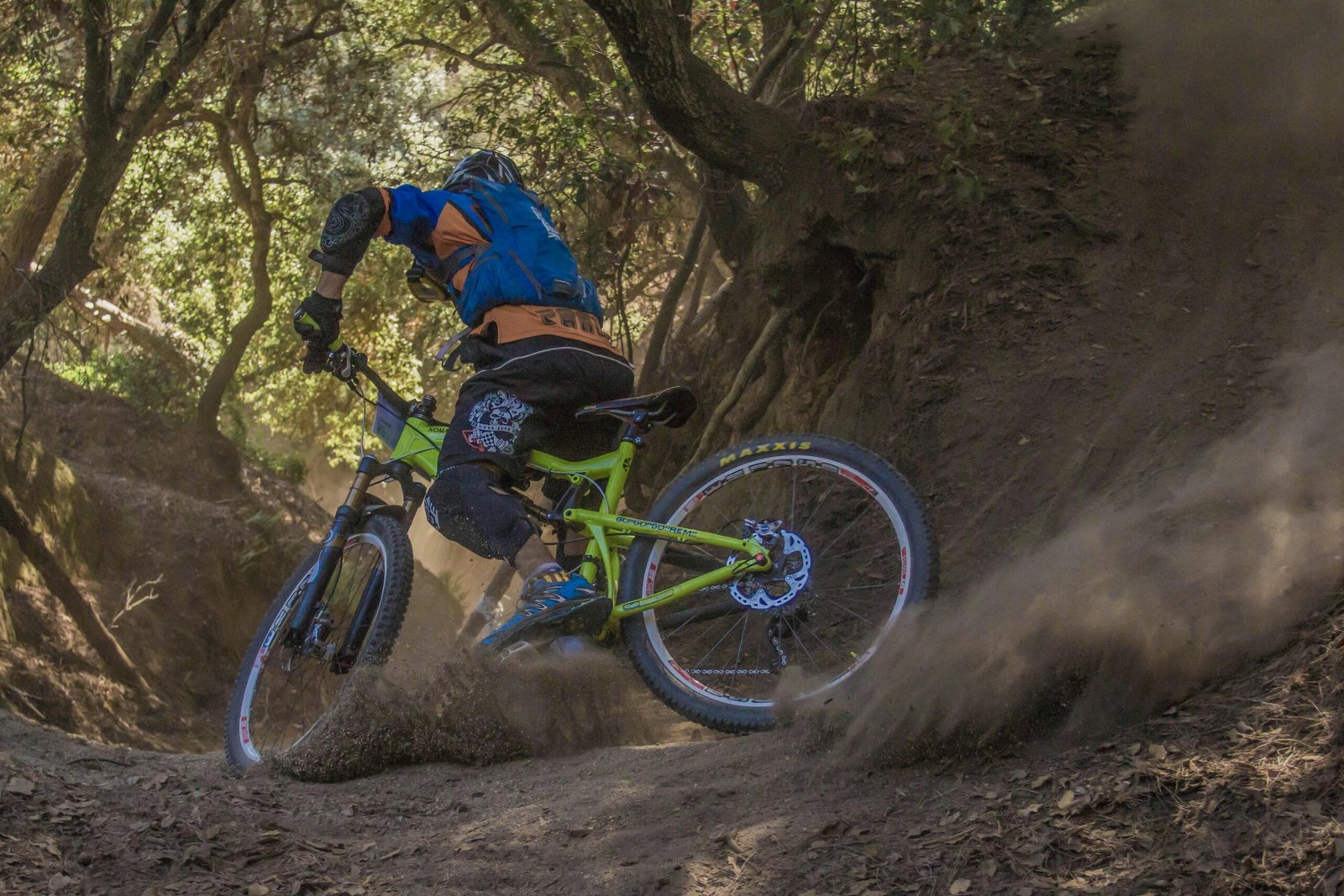
Image Credit: Pexels
- Transporting Your Bike Safely and Effectively
If you’re a regular cyclist, you’ll need to figure out a good way of transporting your bike when you can’t ride it.
Car-mounted bike racks are an essential bit of gear for any avid cyclist, and if you’re going to be transporting multiple bikes, you’ll need something robust enough to support each unit safely and securely (velociRAX has some great options).
If you don’t have a car and you’re someone who makes use of public transport, it may even be worth looking into foldable bikes. These have come a long way in the last few years, with most modern designs striking a good balance between being lightweight and strong.
- Equipment and Things to Take With You
It’s quick and easy to throw what you need for a trip in the back of your car, but with cycling, you’ve got to be more careful. Any weight you add to the frame is something you’re going to feel, whether that be in the form of increased resistance or a poorer weight distribution. It’s all about balance, and there are plenty of products out there to help you out.
Saddle bags are one of the best investments you can make, for example. They’re designed to hold the essentials you need when out on the trail, such as water, snacks, your phone, basic maintenance tools, and anything else you need. They sit just behind you and are weighted appropriately to not cause any balance issues.
Of course, there are also many important safety considerations to make when riding a bike. You’ll want high-quality LED lamps in the back and front, as well as a strong helmet. If you want to be extra safe, you could also consider purchasing knee and elbow pads (these are especially important if you’re going to be out in the woods).
Wrapping Up
As is the case with any hobby, getting into cycling requires a lot of thought, and you never stop learning. There’s plenty to discover beyond what’s been covered above, but these points should get you off to a good start.
Don’t forget to check Facebook and local ads for cycling opportunities that are available in your area. Most places have dedicated groups or clubs for heading out on adventures and meeting new, like-minded people. Meeting other cyclists is a great way to learn tips and tricks, too, and you can also consider online forums and Reddit if you have any pressing questions or need advice.
While it might seem a little difficult to get into initially, before long, you’ll wonder how you ever lived without your bike by your side. Happy riding!
Leave a Reply