
When you bring a puppy to their new home, it can be an exciting experience; however, the early days create a foundation for what type of dog they may develop into. By introducing healthy and positive habits in the beginning, everyday chaos can develop into calmer, healthier routines for both you and your puppy. Consistency, patience and creativity are key.
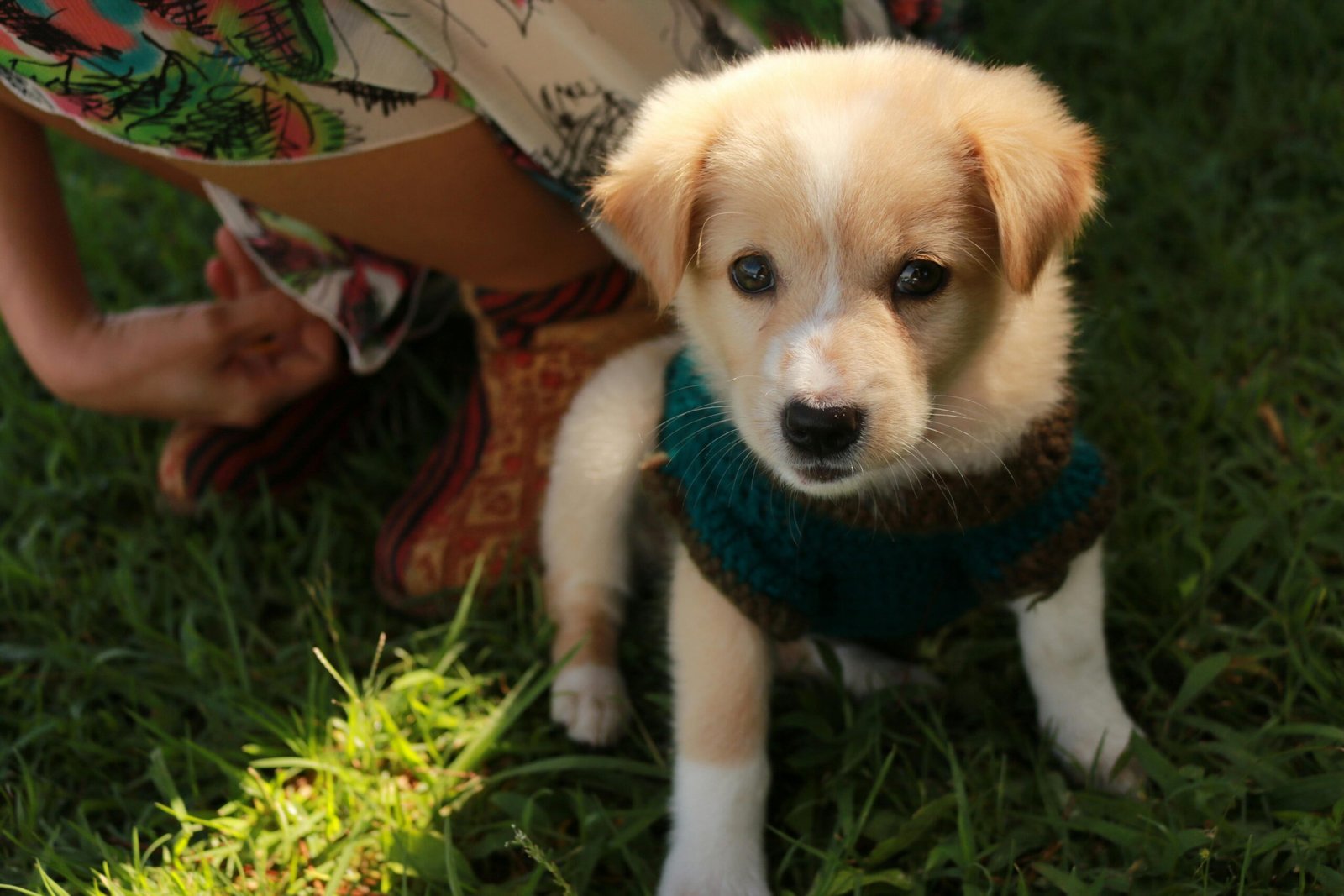
Via Pexels
Build A Calm Routine From Day One
Your puppy needs a predictable routine and environment. Even though puppies appear to be chaotic, they thrive on being able to anticipate what is going to happen next. By giving them a structured feeding schedule, a set routine for bathroom breaks, a set bedtime, etc., you will create a predictable environment for your puppy. This helps your puppy settle into their new surroundings sooner. While the idea of creating a schedule may seem inflexible, the ultimate goal is not to develop a rigid schedule. Rather, by creating a routine and rhythm for your puppy to follow, they will learn to depend on this structure and find comfort in knowing what is expected of them.
Reward The Behaviour You Want
While this appears to be an easy concept, most owners do not recognize the good behaviors their puppies are displaying. For example, quietly lying down, picking up a toy over furniture, or returning when you call it, should all be acknowledged as positive behavior. Rewards for your puppy do not need to always be food-based items, gentle praise and attention you give at specific times can create a lot of positive feedback for your puppy.
Make Socialisation Thoughtful, Not Overwhelming
Your puppy’s socialization during its early development is crucial. However, overloading your puppy with too many new stimuli (sights, sounds, people, places), simultaneously may produce undesirable results. Socialise your puppy gradually. Provide your puppy with ample opportunity to view, reflect on and then react to each new experience prior to requiring interaction. Confidence built through safe experiences and controlled environments increases the probability that your puppy will develop into a self-assured mature pet.
Teach Independence Early
While it can be fun to have a new little pup around all the time, letting them spend some time alone will save you from having a stressed-out pup later on. Provide a comfy place for your puppy to relax, as well as something interesting for them to do, so they don’t feel bad about being by themselves.
Introduce Healthy Chewing Options
Dogs love to chew. Rather than constantly punishing your puppy for chewing on inappropriate items, give them healthy chewing items. Constantly correcting your puppy’s chewing is way less effective than teaching your puppy where to go to get acceptable chewing options.
Support Healthy Growth With Proper Nutrition
Nutrition also plays an important role in your puppy’s early development and long-term wellbeing. Feeding a balanced diet that supports healthy growth, strong joints, and a shiny coat can make a big difference as your puppy matures. Adding supplements such as Pawable collagen for dogs may also help support joint health, mobility, and overall vitality, especially during those active growing months when your puppy is constantly learning, playing, and exploring.
Setting Your Puppy Up For A Happy Life
The habits formed in the first few months of a puppy’s life will lay the groundwork for every experience that comes after. A puppy that has been raised with boundaries and encouragement will grow up to be a happy-go-lucky adult dog that is generally relaxed and confident. The work you do now will pay off for many years to come by creating a happier, more laid-back, and overall more enjoyable lifestyle for both you and your pup.
Leave a Reply