
Ensuring the safety and security of your home has become more important than ever. While traditional locks and alarm systems offer some level of protection, advancements in technology have introduced more sophisticated methods to safeguard residences. One such solution is an access control system, a security measure that allows homeowners to monitor and regulate who enters and exits their property. This technology is no longer exclusive to large corporations or commercial buildings. It is increasingly being adopted in residential settings for its convenience, flexibility, and enhanced security features.

Source: Rowan Heuvel at Unsplash
Understanding Access Control Systems
An access control system is a security mechanism designed to regulate entry to a property. Unlike conventional locks, which rely solely on physical keys, access control systems use a variety of authentication methods, including keycards, biometric scans, PIN codes, or smartphone applications. These systems can be configured to grant or restrict access to certain areas, monitor entry times, and maintain detailed logs of who enters and exits the property.
For homeowners, the adoption of an access control system translates to an additional layer of security that goes beyond traditional methods. With the rise of smart home technology, many modern access control systems can integrate seamlessly with other home automation solutions, allowing for remote monitoring and control from virtually anywhere.
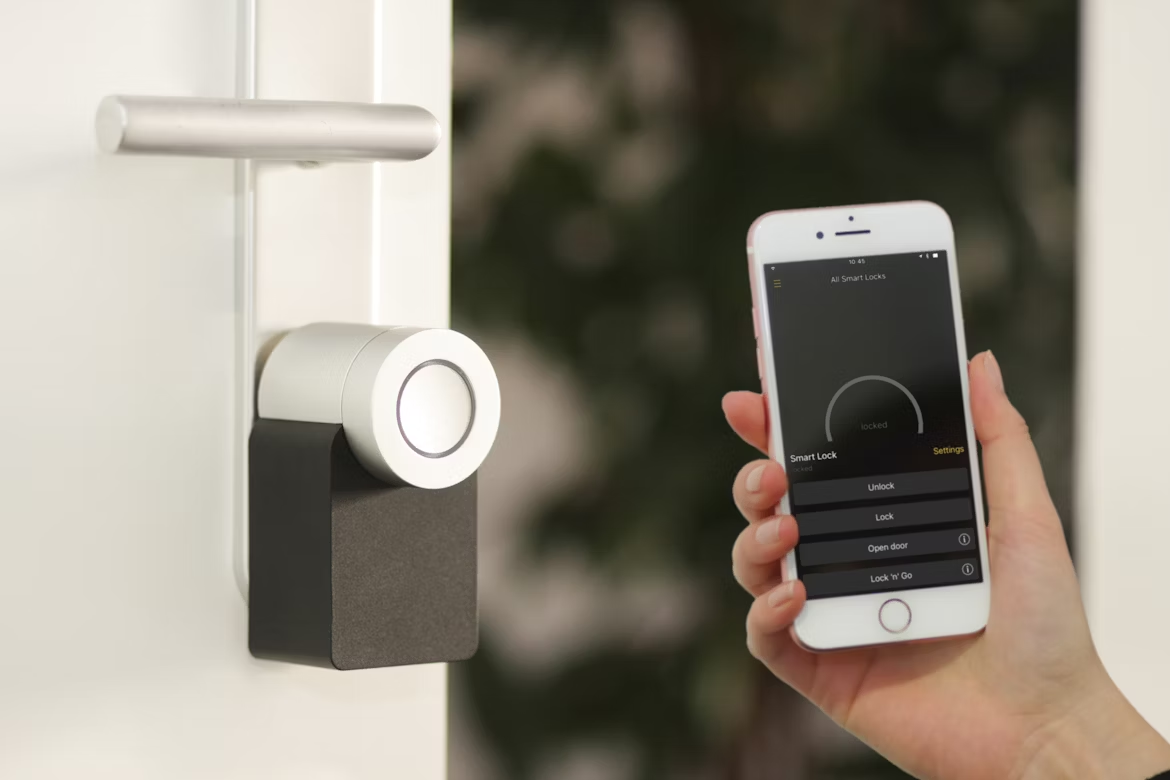
Source: Sebastian Scholz (Nuki) at Unsplash
Enhanced Security and Safety
One of the primary benefits of installing an access control system in a home is improved security. Homeowners can prevent unauthorized individuals from entering the property, whether it is a delivery person, a visitor, or a maintenance worker. Unlike conventional locks, which can be picked or duplicated, access control systems offer a higher level of protection because they rely on unique credentials that are more difficult to compromise.
In addition, many access control systems include features such as real-time alerts and notifications. This means that homeowners can be instantly informed if someone attempts to enter the property without permission. Some systems even offer video integration, allowing homeowners to verify identities before granting access. This combination of surveillance and controlled entry significantly reduces the risk of burglaries and unwanted intrusions, making it an essential investment for families and individuals looking to secure their homes.
Convenience and Flexibility
Beyond security, access control systems provide unparalleled convenience for homeowners. Traditional keys can be easily lost, forgotten, or stolen, which can lead to costly rekeying or lock replacement. With access control, these concerns are minimized. Homeowners can use electronic keycards, mobile devices, or biometric verification to gain entry, eliminating the need for physical keys entirely.
Furthermore, access control systems offer flexible options for managing access. For instance, homeowners can set temporary access for guests, service providers, or housekeepers. Once the designated period ends, the system automatically revokes access, ensuring that the property remains secure. This level of control is particularly useful for families with multiple members or properties with frequent visitors.
Integration With Smart Home Technology
Modern access control systems are often compatible with broader smart home ecosystems. This integration allows homeowners to control lighting, climate, and security settings all from a single platform. For example, a smart access control system can trigger lights to turn on automatically when someone enters a room or activate a security alarm if an unauthorized access attempt is detected.
This integration not only enhances convenience but also contributes to energy efficiency and overall home management. By combining access control with other smart home technologies, homeowners gain a comprehensive solution that simplifies daily routines while simultaneously improving security.
Peace of Mind for Homeowners
Security is not just about preventing physical intrusions; it also involves creating a sense of peace and confidence for residents. Knowing that their home is protected by an access control system allows homeowners to relax and focus on other aspects of life without constantly worrying about unauthorized access.
For families with children, the system provides an added layer of reassurance. Parents can monitor when their children arrive home from school or track who is entering the property at any given time. Similarly, for individuals who travel frequently, access control systems provide remote monitoring capabilities, ensuring that the home remains secure even when it is unoccupied.
Customization and Scalability
One of the key advantages of access control systems is their adaptability. Homeowners can customize the system according to their unique needs, whether it is securing a single entry point or controlling multiple access points throughout the property. Additionally, access control systems are scalable, allowing homeowners to expand their setup as their security needs grow or change.
For example, a homeowner might begin with a basic system that controls the main entrance but later choose to extend access control to a garage, backyard, or guesthouse. This modular approach ensures that the system can evolve alongside the property and its occupants, providing long-term value and flexibility.
Professional Installation and Support
While some homeowners may attempt to install access control systems on their own, professional installation ensures that the system operates efficiently and reliably. Experts in the field can assess the property, recommend the most suitable technology, and configure the system to maximize security and convenience.
For residents in Ohio, partnering with access control specialists in Dayton, Ohio can provide tailored solutions that meet the unique needs of local homes. These specialists offer not only installation services but also ongoing support and maintenance, ensuring that the system continues to perform optimally over time.
Cost Considerations and Long-Term Value
The initial investment in an access control system may seem significant, but the long-term benefits often outweigh the upfront cost. By preventing break-ins, reducing the likelihood of theft, and providing convenient access management, homeowners can potentially save money on insurance premiums and property damage.
Moreover, the added convenience and peace of mind are intangible benefits that significantly enhance the quality of life. The system’s adaptability and integration with smart home technology further increase its value, making it a worthwhile investment for homeowners seeking a modern, secure, and efficient solution.
Conclusion
Incorporating an access control system into a home offers numerous benefits, from enhanced security and convenience to integration with smart home technology and peace of mind for residents. By controlling who enters and exits the property, monitoring access in real-time, and providing scalable solutions, these systems address both the safety and lifestyle needs of modern homeowners.
As residential security continues to evolve, access control systems stand out as a versatile and effective method for safeguarding homes. Investing in such technology is not merely a security measure; it is a proactive step toward protecting one of life’s most valuable assets, your home.
Leave a Reply