
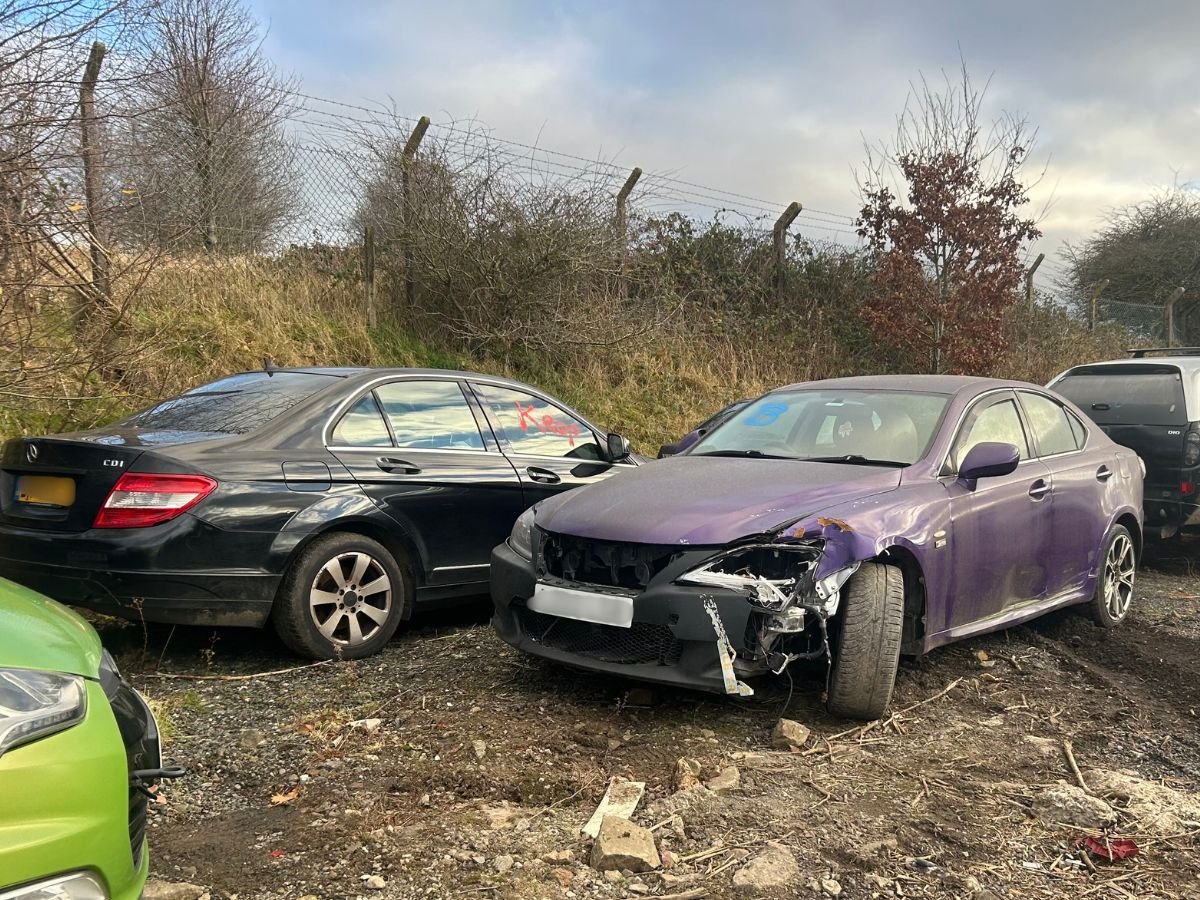
When a Hyundai needs a replacement part, a new component from a dealer can cost more than an older vehicle is worth. Used parts can lower the repair bill, provided they fit the exact model and are in sound condition. Perth wreckers recover usable components from vehicles taken off the road. Knowing what to ask about fit, condition, and total cost makes the search more straightforward.
How Wreckers Recover Usable Hyundai Parts
A wrecker checks dismantled vehicles for parts that can be reused and records what is available. When comparing local Hyundai wreckers in Perth, ask whether the part is in stock, which Hyundai it came from, and what checks it has passed. Those details help you avoid choosing a similar-looking component that will not fit your vehicle.
A Hyundai with collision damage, a failed engine, or registration issues can still have undamaged doors, mirrors, interior trim, suspension parts, or electrical components. The condition of each item varies. Damage to one area of a vehicle does not tell you whether a particular part from another area is usable.
Ask whether the component came from a Hyundai and whether the maker or part number can be confirmed. A compatible aftermarket component is a different product, even if it does the same job. Information about the donor vehicle and the part helps you make a fair comparison.
Wrecker stock changes as vehicles arrive and parts sell. Give the seller your vehicle’s model, year, body style, and the name or number of the component you need. A photo of the old part or its label can narrow the search, especially when a model has several versions.
Confirm the Part Fits Your Hyundai
Hyundai models can use different components across model years, trim levels, and body styles. A part that looks identical in a photo might have a different connector, mounting point, or finish. Confirm that it fits before travelling to collect it or arranging for a mechanic to install it.
Have these details ready before asking about availability:
- The model name, year, and body style shown in your vehicle documents.
- The engine or trim details, if they affect the component.
- The part number from the old component, if it is visible.
- A clear photo showing the part and its connection points.
Ask the seller to compare your vehicle’s details with those of the donor vehicle. A broad model name alone may not be enough. For an electrical component, check the connector and part number. For a body panel, confirm the side, shape, colour, and mounting points. These checks help prevent a purchase that needs modification or cannot be installed.
If a mechanic will fit the part, send them the identification details before you buy. They can flag compatibility concerns early and advise whether the used component suits the repair. A quick check can save you from wasted labour and the cost of finding another replacement.
Assess the Condition Before You Buy
Ask for a clear description of the component and how it was checked. A seller might inspect it visually or test it where practical; the right check depends on the part. A mirror needs intact glass and mounts, while a starter motor needs a suitable functional test.
Before agreeing to buy, check the following:
- Look for cracks, corrosion, bent mounts, missing clips, or damaged wiring.
- Ask whether the component came from a running vehicle or a damaged one.
- Confirm which accessories, brackets, or fasteners are included.
- Check the return or exchange terms before paying.
The donor vehicle’s history provides context, but it does not replace checking the component itself. A vehicle with front-end damage, for example, could still have sound parts at the rear. Ask whether the area around the component was damaged.
A clean appearance does not prove that an electrical or mechanical part works. Ask the seller to describe its condition in writing, and keep the receipt or part reference. That record helps if the component does not match the description you were given.
Compare the Real Cost
The listed price is only part of the repair cost. Include collection or delivery, inspection, fitting, and any extra parts needed to complete the job. A cheaper component can cost more overall if it requires a long trip or additional fittings.
Ask about the price, availability, collection arrangements, and any warranty or exchange conditions. Compare the answers with the cost of a new part and the labour your mechanic expects. A used component makes sense when it suits the repair without adding avoidable work or uncertainty.
For a larger item, such as a door or drivetrain component, confirm how it will be moved and whether you need help loading it. If possible, inspect the part before it leaves the yard, and check that its identifying number matches the details agreed. Keep your vehicle and part information handy during the discussion.
If the right component is not in stock, ask whether the wrecker can check incoming Hyundai vehicles or what details to provide for a later search. Do not buy a near-match simply because it is available. Waiting for the correct part can cost less than paying for a failed fit or a second repair.
Conclusion
A used Hyundai part can reduce replacement costs if it is genuine, compatible, and in suitable condition. Start with your vehicle’s exact details, then ask about the donor vehicle, inspection, included fittings, and return terms. Share the part number or a clear photo before arranging collection. If a mechanic is involved, confirm fit before buying and compare the full repair cost, not just the part price.
Leave a Reply