
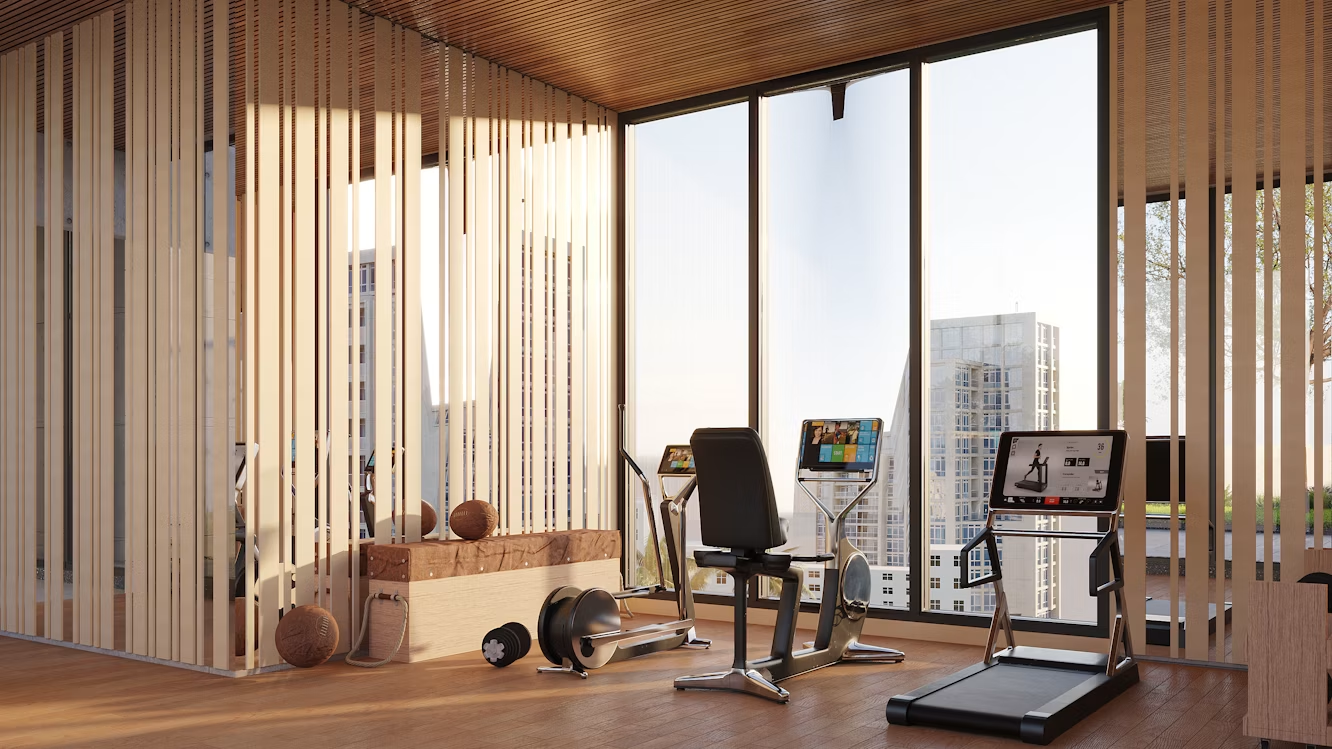
Image Credit: Unsplash
When you’re really pushing for a fitness goal, you usually focus on the big stuff: your routine, what you eat, and how much you sleep. But if you’ve hit a wall even after doing everything right, the problem might be something you can’t see. The air quality in your home workout space actually has a pretty direct effect on your energy, how long you can last, and your overall performance. Just thinking about what you’re breathing in could be what helps you get to the next level in your fitness journey.
The Link Between Air and Performance
When you’re working out, you breathe a lot faster and deeper. This means you’re also sucking in a lot more of any airborne particles that might be floating around. If the air is full of pollutants, your respiratory system has to work harder to filter them out, all while trying to get oxygen to your muscles. This extra effort can make you tired sooner, reduce how much air your lungs can take in during exercise, and make you feel like you’re working way too hard for the results you’re getting.
Hidden Indoor Air Pollutants
Your home might look spotless, but the air can be full of invisible irritants that mess with your health and your workout. Some common indoor pollutants are:
- Dust and pet dander
- VOCs (Volatile Organic Compounds) that come from things like furniture, paint, and cleaning products
- Mold spores, especially in damp spots
- Allergens that can make you feel inflamed and stuffy
These same issues are a problem in gyms too, which shows how important air quality is in importance of air quality in gyms and at home. When you’re breathing heavily, you’re taking in more of these particles, and that can really strain your body and hurt your performance.
Optimize Your Home Workout Space
Making your workout area a clean air zone doesn’t have to be complicated. Start by just opening a window for some ventilation, as long as the air outside is good. Regularly dusting and vacuuming with a HEPA-filter vacuum can cut down on dust and dander a lot. For something more targeted, a portable air purifier can catch tiny particles right in your workout space. Your home’s overall air quality relies on its heating and cooling system, so changing filters and keeping it maintained is key to clean air throughout your house, including your workout corner.
Humidity and Muscle Recovery
Air quality isn’t just about pollutants; it’s also about how much moisture is in the air. Air that’s too dry can irritate your nose and throat, making it uncomfortable to breathe. On the flip side, air that’s too humid stops your sweat from evaporating properly, which is how your body cools down. This can make you overheat faster and feel more wiped out during your session. Bad humidity levels can also mess with your sleep, and good sleep is super important for muscle recovery. Aim for a balanced indoor humidity level (usually between 30-50%) to make a more comfortable environment for both working out and resting.
Breathing Easier for Better Results
Ultimately, improving the air you breathe is a direct investment in your fitness. When your lungs don’t have to fight against pollutants and irritants, they can work much better. This means your muscles get oxygen more efficiently, which is a known boost to athletic performance. You might find you can push a little harder, last a bit longer, or recover faster between sets. By paying attention to your indoor environment, you’re giving your body the clean fuel it needs to perform at its best.
Next time you get ready to work out, take a moment to think about the air around you. A few simple changes can help you breathe easier and build a healthier foundation for reaching your fitness goals.
Leave a Reply