
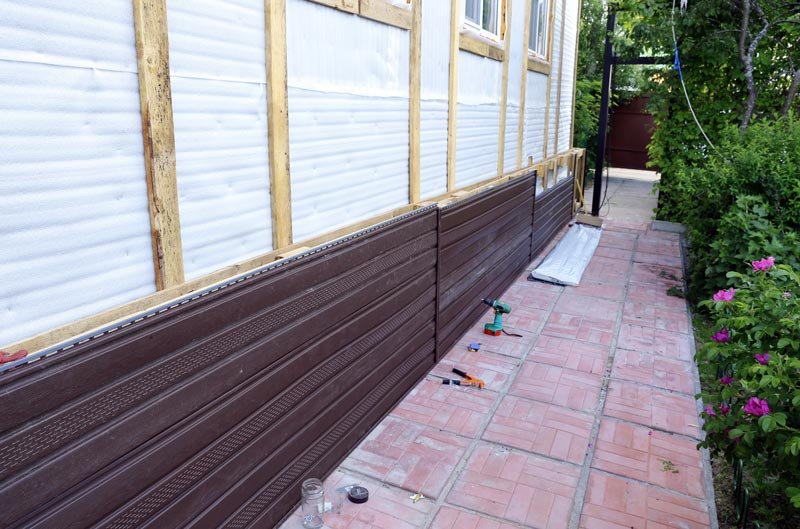
Three questions run through a buyer’s mind before they ever step inside: does this home look cared for, will it need big repairs soon and could I see myself living here? Siding answers the first two without saying a word. In Springdale, Arkansas, and across Northwest Arkansas, where storms, humidity and temperature swings test the outside of every house, siding does a lot of quiet work. It protects the structure, sets the first impression and often signals how well a home has been maintained.
This friendly guide explains how new siding can help both curb appeal and resale value, what to compare and how to plan the project without overpromising on returns.
What Buyers Notice Before Walking In
Real estate photos, online listings and drive-bys all start with the exterior. Peeling paint, warped boards or faded panels can make a home look older and more expensive to maintain, even when the inside is in good shape. Fresh, well-installed siding does the opposite. It suggests the home has been looked after, and it gives buyers fewer reasons to worry about hidden problems.
Keep expectations realistic, though. Siding rarely returns every dollar spent, and results depend on your market, home and materials. The better way to think about it is as a mix of protection, appearance and fewer objections during a sale. This is general information, not financial advice.
How Siding Shapes Curb Appeal
Appearance isn’t only about color. Several details work together:
- Color: neutral or softly contrasting palettes tend to appeal to more buyers than bold choices
- Texture and profile: lap, board-and-batten, shake and other styles change the home’s character
- Trim and corners: crisp, clean edges make the whole exterior look finished
- Consistency: matching materials across the front, sides and any additions
- Condition: straight lines and tight seams matter more than any trend
Walk the street and notice which homes look best. They usually pair a style that fits the neighborhood with clean, well-kept finishes.
Signs Your Siding May Be Ready for Replacement
Not every house needs new siding. Repairs, cleaning or repainting may be enough. But these signs suggest it’s time for a closer look:
- Cracking, warping, rot or soft spots in boards or panels
- Peeling finishes or paint that keeps failing
- Repeated moisture stains, mold or mildew on or behind the siding
- Gaps, loose pieces or visible drafts around the wall
- Energy bills that have climbed without another clear cause
If you notice several at once, ask a qualified professional to inspect the exterior and check what’s happening behind the surface. Water damage can hide underneath and get worse if it’s covered over.
Energy Efficiency and Buyer Appeal
Many buyers care about utility costs, and a siding project is a natural moment to address them. According to ENERGY STAR, the U.S. Environmental Protection Agency and Department of Energy program, sealing air leaks and adding insulation can provide up to a 10 percent savings on annual energy bills.
Treat that as a ceiling, not a promise. It applies to air sealing and insulation in general, not to siding alone, and results vary with the home and the quality of the work. Still, it explains why contractors often talk about house wrap, sealing and insulation along with the siding itself, and why insulated siding products exist.
Comparing Common Siding Materials
Choosing the best siding for a house depends on climate, budget, style, and how much upkeep you’re willing to do. First Star Exteriors is one company homeowners can explore when researching siding options and comparing materials for their property. Here’s a quick look at the common choices:
- Vinyl: Affordable and low-maintenance, though quality varies by product and installation matters.
- Fiber cement: Durable and resistant to rot, insects, and fire, but heavier and usually costlier upfront.
- Engineered wood: Offers a realistic wood look with good impact resistance, but edges need proper sealing.
- Traditional wood: Beautiful and well suited to historic homes, but requires regular upkeep.
- Metal: Durable and fire-resistant, though hail can dent some types.
The right choice isn’t the same for every house. If storms are common in your area, impact resistance deserves extra consideration. If you plan to sell soon, a clean, neutral look at a sensible price may be more practical than investing in a premium material you won’t enjoy for long.
Installation Details That Protect Your Investment
Siding is only as good as the work behind it. Proper flashing around windows and doors, correct fastening and careful moisture management keep water out of the wall. For example, vinyl needs room to expand and contract, so panels nailed too tightly can buckle.
When you compare bids, ask how old siding will be removed, what’s done about the water-resistive barrier and how seams and corners are sealed. Look at completed work in person when you can. These details are easy to overlook and expensive to fix later.
Planning Timing and Budget
A little planning can make the project easier to manage. Keep these points in mind:
- Compare written quotes: Get at least two or three quotes with the same scope of work so you can compare prices and services fairly.
- Set aside extra funds: Budget a cushion for unexpected problems, such as rotten sheathing or hidden damage discovered when old siding is removed.
- Choose the right season: Schedule the work during mild, dry weather when possible to help avoid weather-related delays.
- Check insurance and local programs: Review your homeowners insurance and look into any local programs that may help cover eligible project costs.
- Consider resale plans: If you’re planning to sell your home, speak with a local real estate agent about which exterior improvements buyers in your area tend to value.
Planning these details in advance can help you control costs, avoid unnecessary delays, and prioritize improvements that make sense for your home.
Conclusion
New siding can strengthen both how a home looks and how well it holds up, which is why buyers tend to notice it. The strongest results come from matching the material to your climate, fixing problems behind the surface and choosing an installer who explains the details clearly. Think of the project as protection first and presentation second, and keep your expectations tied to your own market. When the work is done well, a clean, well-kept exterior can make a home feel ready for its next chapter, whether that’s yours or someone else’s.
Leave a Reply