
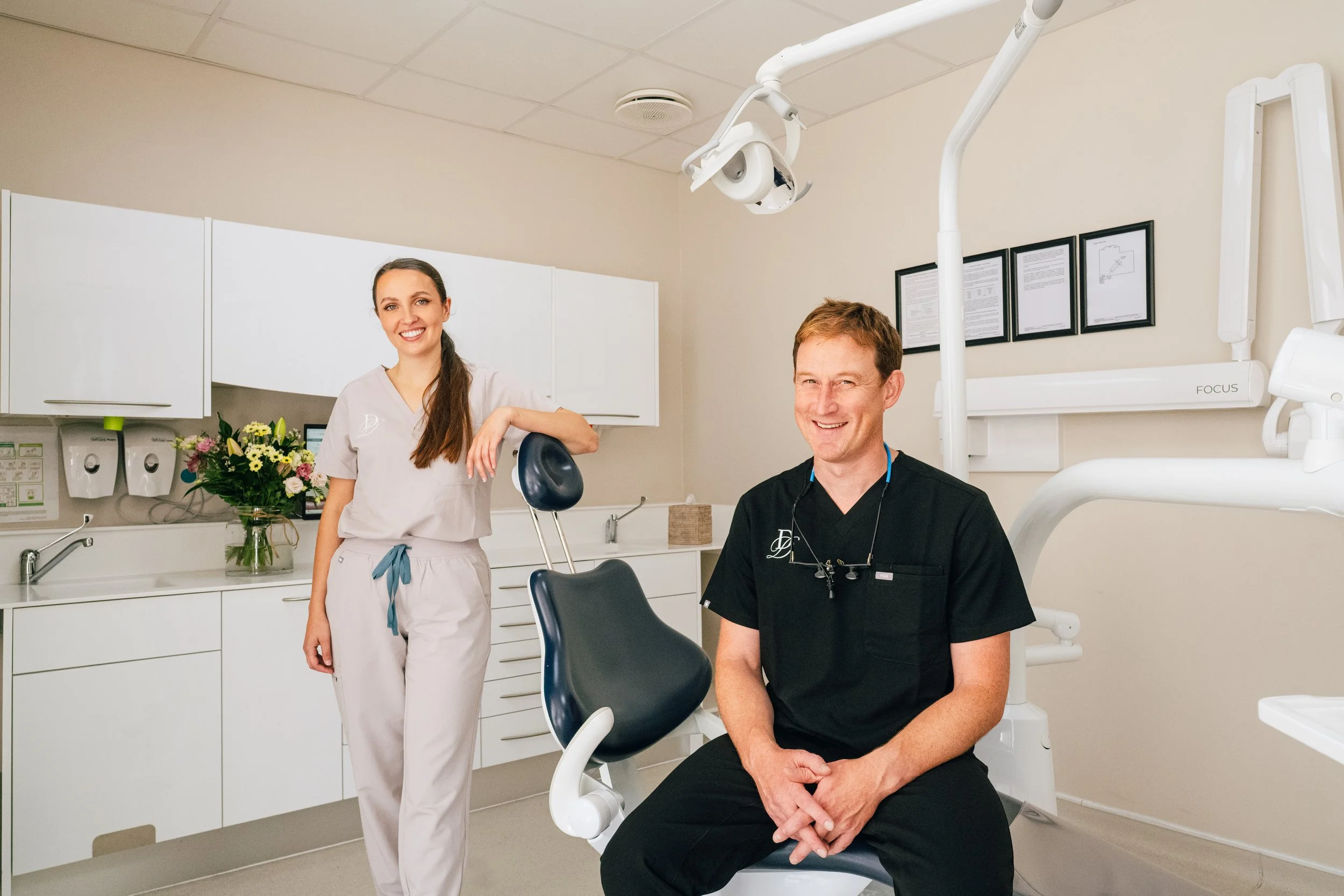
Feeling nervous about dental treatment is more common than many people realize. Whether you are booking a routine filling, preparing for a tooth extraction, starting cosmetic treatment, or considering a longer procedure such as dental implants, it is natural to have questions and concerns. Some people worry about discomfort, others feel embarrassed about the condition of their teeth, while many simply dislike not knowing what to expect.
The good news is that confidence can be built before, during, and after your appointment. With the right preparation, communication, and mindset, dental treatment can feel far less intimidating and much more manageable.
Choose A Dental Team You Trust
Confidence often starts with choosing the right dental practice. A supportive team will take the time to explain your options, answer your questions, and make sure you feel involved in decisions about your care. You should never feel rushed, judged, or pressured into treatment you do not understand.
Before booking, look for a practice that offers clear information about its services, patient approach, and treatment process. Reviews and recommendations can also be helpful, especially if they mention kindness, patience, and good communication. If you are considering a more advanced treatment, such as dental implants Tavistock, choosing an experienced dental team can make the entire process feel more reassuring from the start.
Ask Questions Before Treatment Begins
One of the biggest causes of dental anxiety is uncertainty. When you do not know what will happen, your mind can easily fill in the blanks with worst-case scenarios. Asking questions is a simple but powerful way to take back control.
You may want to ask how long the treatment will take, what sensations to expect, whether you will need local anesthetic, how recovery works, and what aftercare steps you should follow. No question is too small if it helps you feel calmer.
It can also help to write your questions down before the appointment. This prevents you from forgetting anything once you are in the dental chair. A good dentist will welcome your questions and explain things in clear, simple terms.
Be Honest About Your Concerns
Many patients try to hide their nerves, but telling your dentist how you feel can make a huge difference. Dental professionals are used to supporting anxious patients, and they can adjust their approach to help you feel more comfortable.
For example, your dentist may explain each step as they go, agree on a signal you can use if you need a break, or give you extra time before starting. If you have had a difficult dental experience in the past, it is worth mentioning that too. Understanding your history helps the team support you properly.
Being honest does not make you difficult. It helps your dentist provide better care.
Understand The Benefits Of Treatment
When you are feeling anxious, it is easy to focus only on the procedure itself. However, reminding yourself why you are having treatment can help shift your mindset. Dental care is not just about fixing teeth. It can improve your comfort, confidence, speech, appearance, eating ability, and long-term oral health.
If you are having treatment for pain, the result may be relief and better day-to-day comfort. If you are replacing missing teeth, the outcome may be a stronger bite and a more confident smile. If you are treating gum disease or decay, you are protecting your future health.
Thinking about the benefits can help you see treatment as a positive step rather than something to fear.
Bring Support If It Helps
For some people, having a trusted friend or family member nearby can make dental visits feel easier. They may be able to come with you to the appointment, sit with you beforehand, or help you get home afterward if needed.
Even if they cannot join you in the treatment room, having someone to talk to before and after can be comforting. They can also help you remember any information shared during the appointment, especially if you are feeling nervous.
Support does not have to be dramatic. Sometimes a quick encouraging text or a lift to the practice is enough to make you feel less alone.
Practice Simple Relaxation Techniques
Relaxation techniques can help calm your body when anxiety starts to build. Deep breathing is one of the easiest tools to use in the waiting room or dental chair. Try breathing in slowly through your nose, holding for a moment, then breathing out gently through your mouth.
You can also try grounding techniques, such as focusing on the feeling of your feet on the floor or noticing five things you can see in the room. These small exercises help bring your attention back to the present instead of letting your mind race ahead.
Some patients also find it useful to listen to music or a podcast during certain treatments, if the dentist agrees it is safe and practical.
Take Care Of Yourself Before The Appointment
Your confidence can be affected by how you feel physically. Try to get enough sleep the night before your treatment, eat a suitable meal beforehand if your dentist says it is okay, and avoid too much caffeine if it makes you feel jittery.
Arriving early can also help. Rushing to the appointment may increase stress, while giving yourself a little extra time allows you to settle in and feel more prepared.
It is also sensible to plan the rest of your day around the treatment. If possible, avoid scheduling stressful meetings, major errands, or demanding commitments straight after your appointment. Giving yourself space can make the whole experience feel more manageable.
Focus On Progress, Not Perfection
If you feel embarrassed about your teeth, remember that dentists are there to help, not judge. They see all kinds of dental concerns every day, from minor issues to complex cases. Their focus is on finding solutions and improving your oral health.
Taking the step to book treatment is already progress. Even if you feel nervous, you are doing something positive for yourself. Confidence does not mean feeling completely fearless. It means moving forward even when you feel unsure.
Follow Your Aftercare Instructions
Confidence does not end when the appointment is over. Following your dentist’s aftercare advice can help you recover properly and feel more in control. This may include guidance on eating, drinking, brushing, medication, swelling, or follow-up appointments.
If something feels unusual after treatment, contact your dental practice rather than worrying in silence. Getting reassurance or advice early can prevent unnecessary stress.
Build Confidence Through Regular Visits
The more familiar dental care becomes, the less intimidating it often feels. Regular checkups help you build a relationship with your dentist and catch problems early, when they are usually easier to treat.
Over time, positive dental experiences can replace old fears. Each successful appointment proves that you can cope and that treatment is not something you have to dread.
Leave a Reply