
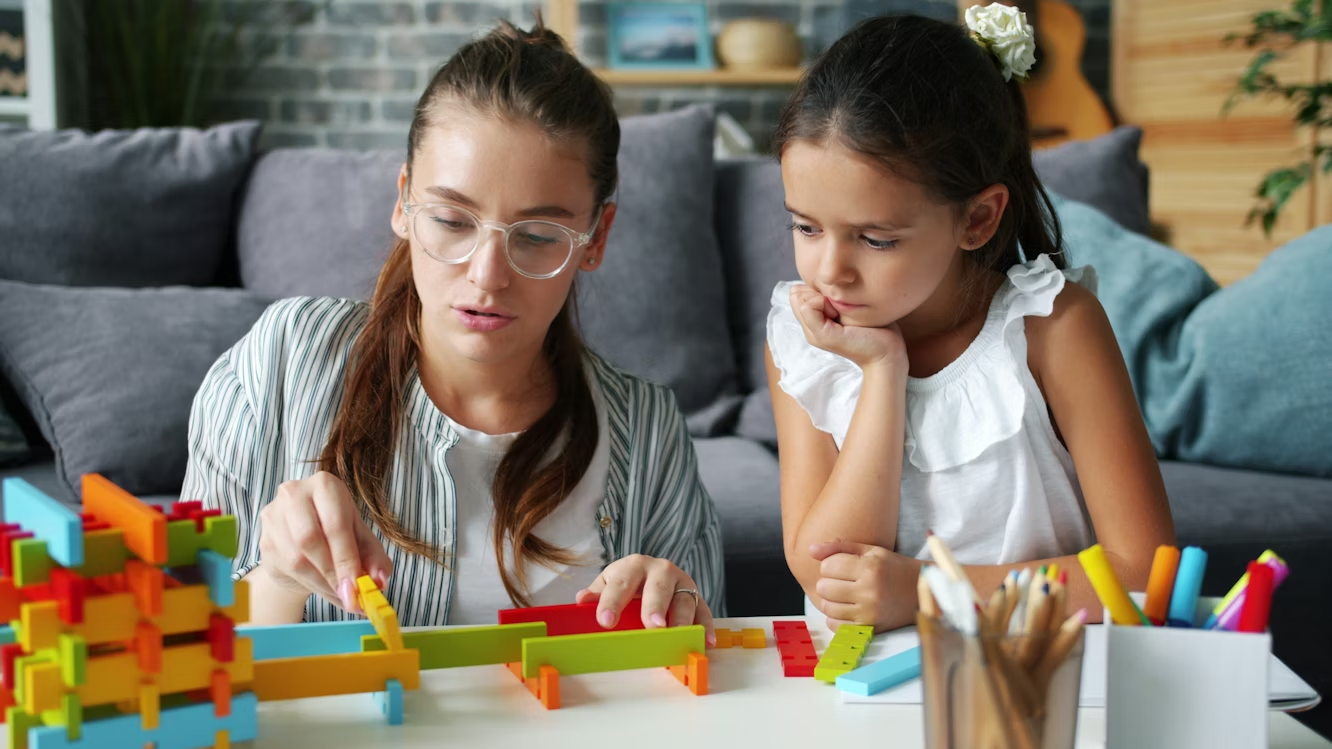
Photo by Vitaly Gariev on Unsplash
Creating a cozy, creative space for your kids is one of the most rewarding ways to encourage imagination, independence, and joyful learning at home. With a bit of thoughtful planning, you can transform even a small corner into a place where creativity thrives, and your children feel inspired every day.
Start With Comfort and Warmth
The foundation of any inviting space is comfort. Choose soft rugs, plush cushions, and child-sized furniture that can make the area feel safe and welcoming. Natural light is ideal, so try to position the space near a window if possible. Add warm lighting, such as fairy lights or a small lamp, to maintain that cozy atmosphere.
Textures also play an important role. Incorporate soft fabrics, knitted throws, and even a canopy or tent to create a snug nook where kids can relax, read, or daydream. The goal is to make the space feel like their own little sanctuary.
Design for Creativity and Exploration
A creative space should invite hands-on exploration. Include a variety of materials, such as crayons, markers, paper, clay, and building blocks. Open shelving or labeled bins can help keep supplies organized while making them easily accessible.
Consider adding a small table or desk dedicated to projects. Whether your child enjoys drawing, crafting, or experimenting with simple DIY activities, having a designated workspace helps them focus and feel a sense of ownership over their creations.
You can also rotate materials every few weeks to keep things fresh and exciting. Introducing new textures or tools can reignite curiosity and encourage kids to try something new.
Incorporate Personal Touches
Personalization can help make a space feel special. Display your child’s artwork on the walls or create a rotating gallery using clips or frames. Include their favorite colors, themes, or characters in the decor to reflect their personality.
You might also involve your kids in decorating the space. Let them choose a few items or help arrange the layout. This not only makes the area more meaningful but also helps build their confidence and decision-making skills.
Add Opportunities for Hands-On Learning
A cozy, creative corner can also serve as a learning hub. Simple additions like bookshelves, puzzles, or educational toys can support cognitive development while still feeling like play.
If your child shows interest in crafts like sewing, this is a great opportunity to introduce beginner-friendly tools and materials. A quick visit to a sewing machine store can help you find child-safe options, colorful fabrics, and starter kits that can make learning both fun and non-intimidating. Incorporating these elements into the space can open the door to valuable lifelong skills.
Keep It Organized but Flexible
While creativity can get messy, a bit of organization goes a long way. Use baskets, bins, and storage boxes to keep everything in its place. Labeling containers can also help kids learn responsibility and make cleanup part of their routine.
Make sure that the area allows flexibility. The space should evolve as your child grows and their interests change. For instance, what starts as an art corner might later become a reading nook or a crafting station.
Endnote
Building a cozy, creative space for your children doesn’t require a large budget or dedicated room. By combining warmth, organization, and hands-on learning opportunities, you’re giving your children a special place to explore their creativity and create lasting memories along the way.
Leave a Reply