
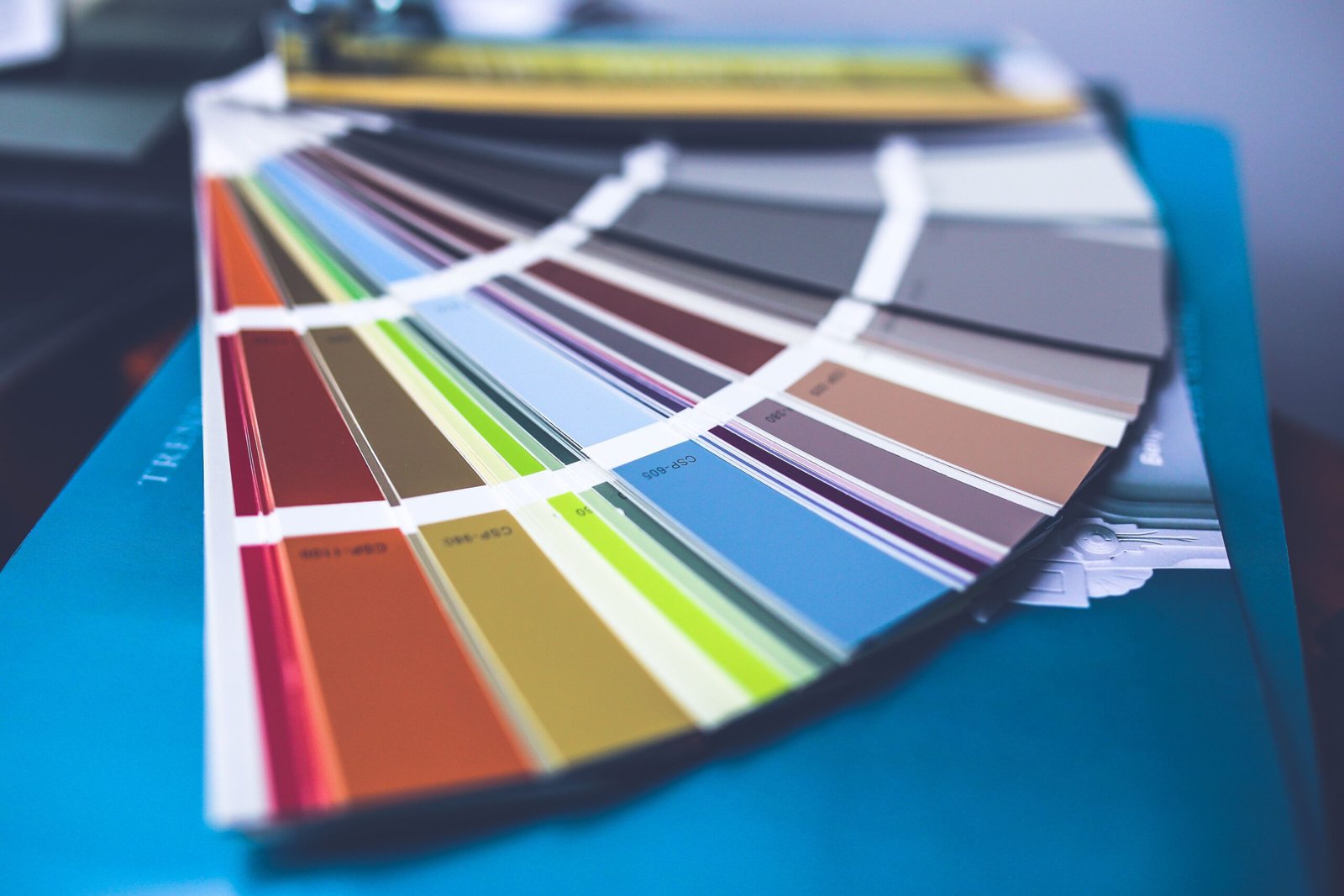
Paint looks simple until you stand in a hardware store staring at what feels like 900 shades of white. Then it turns into a design decision, a maintenance decision, and sometimes a budget reality check. If you want your home to feel cleaner, brighter, newer, or more like you, paint can do a shocking amount of heavy lifting. In a place like Kansas City, where homes range from classic brick houses to newer suburban builds, the right finish and color choices can completely change how your space feels day to day.
Start With What You Want the Room to Do
Before you think about color names or trendy palettes, focus on function. Every room has a job. Your kitchen handles mess, heat, and constant traffic. Your bedroom should feel calm. Your living room often needs to work for guests, movies, homework, and random Tuesday night takeout.
When you decide what a room needs to do, paint choices get easier. Soft, muted colors can help a bedroom feel less busy. Warmer neutrals often make living spaces feel comfortable instead of sterile. In smaller rooms, lighter shades can open things up visually, though not every tiny room needs to be painted like a blank cloud.
You also need to think about light. North-facing rooms can feel cooler and dimmer, so stark whites may look flat. South-facing rooms get stronger natural light, which can make warm tones glow or make bold colors feel louder than expected.
Paint is not just decoration. It shapes how a room performs. Treating it like part of your home’s overall strategy usually leads to better results and fewer regrets.
Pick Finishes Based on Real Life, Not Just Looks
Color gets most of the attention, but finish quietly decides how paint behaves. This is where a lot of people make choices that look great for one week and annoying for five years.
Flat and matte finishes hide wall imperfections well, which makes them useful in ceilings and lower-traffic rooms. Eggshell and satin offer a little more durability and are common picks for living rooms, hallways, and bedrooms. Semi-gloss works well in bathrooms, trim, and kitchens because it handles moisture and cleaning better.
The tradeoff is simple. More sheen usually means easier cleaning, but it also highlights dents, patches, and uneven texture. If your walls have seen things, and they probably have, a super shiny finish may reveal every bump like it is auditioning for a spotlight.
If you are comparing professional options, Custom Finish Painting in Kansas City can be relevant when you want help matching finishes to the way your home actually gets used. That kind of expertise matters more than people expect, especially when durability and appearance need to work together.
Use Color to Support Your Home’s Style
Not every color belongs in every house, even if it looks perfect on your phone screen. A modern townhouse, a mid-century ranch, and a traditional craftsman all carry different design signals. Paint should support those cues instead of fighting them.
If your home has original woodwork, brick features, or detailed trim, choose colors that work with those permanent elements. Greige, warm white, dusty green, soft blue, and charcoal can all work beautifully, but only when they connect with the flooring, cabinets, stone, or architecture already in place.
Open floor plans need extra care. You do not need every room the exact same color, but they should feel related. Think of your paint palette as a playlist, not a random shuffle. Colors can shift from room to room without creating visual whiplash.
Accent walls can still work, though they are not a magic fix. They look best when they emphasize a real architectural feature, such as built-ins, a fireplace, or a headboard wall. Painting one lonely wall red because the internet said it adds drama can go sideways fast.
Prep Work Is the Difference Between Good and Rough
A lot of disappointing paint jobs are not really paint problems. They are prep problems wearing a paint disguise. If the surface is dirty, cracked, glossy, damp, or uneven, even premium paint will struggle.
Walls should be cleaned before painting, especially in kitchens, bathrooms, and busy family spaces. Grease, dust, and residue interfere with adhesion. Holes and dents need patching. Old glossy surfaces usually need sanding or a bonding primer. If there is peeling paint, it has to be scraped and stabilized first.
Moisture issues deserve special attention. Painting over water stains or bathroom humidity damage without fixing the source is like putting a hoodie over a broken zipper and calling it repaired. It may look better for a minute. It will not stay that way.
Trim, doors, and cabinets need even more precision because mistakes stand out. Brush marks, drips, and uneven coverage are easier to spot on detailed surfaces. Strong prep creates sharper lines, smoother finishes, and results that last longer than a quick cosmetic refresh.
Think Beyond Walls: Trim, Doors, and Cabinets Matter
If you only repaint the walls, your home may still feel unfinished. Trim, interior doors, and cabinets have a huge effect on how polished a space looks. They act like the visual outline of the room.
Fresh white or off-white trim can instantly sharpen older spaces. Dark interior doors can add contrast and a more current look when they fit the rest of the palette. Painted cabinets can transform a kitchen or bathroom without the price tag of a full renovation, though they require serious prep and the right products.
This is where many DIY projects get ambitious and then quietly disappear for three weekends. Cabinets are especially demanding. They need cleaning, sanding, priming, curing time, and careful product selection. If done poorly, they chip, streak, or feel tacky long after they should have cured.
Even front doors deserve attention. A well-chosen color on the entry door can improve curb appeal quickly. Deep blue, black, muted green, and classic red are popular for a reason. They add personality without turning your entrance into a theme park attraction.
Balance Budget, Timing, and Long-Term Value
Paint can be one of the most cost-effective home upgrades, but only if you plan it well. Cheap supplies, rushed timelines, and weak prep often create a project that needs to be redone sooner than expected. That is not saving money. That is delayed spending with extra frustration.
If you are painting before selling, focus on broad appeal. Neutral tones, clean trim, and repaired surfaces tend to help more than overly personal color choices. Buyers notice fresh paint because it signals care. They also notice bad paint because it suggests hidden shortcuts.
If you are painting for yourself, think long term. Choose colors you can live with through different seasons, furniture changes, and lighting conditions. Test samples on multiple walls and check them morning, afternoon, and night.
Professional painting can be worth the investment when the scope is large, the surfaces are tricky, or the finish quality really matters. Good results are not only about color. They come from process, materials, timing, and skill. When all of those line up, your home feels more finished, more intentional, and a lot better to live in every day.
Final Thoughts on Getting the Look You Actually Want
The best paint choices are rarely the flashiest ones. They are the ones that fit your home, support how you live, and still look good after the excitement of a fresh project wears off. That means paying attention to finish, prep, lighting, style, and the surfaces people usually overlook.
If you approach painting like a design decision instead of a last-minute chore, you give your home a real upgrade. Cleaner lines, smarter colors, durable finishes, and better coordination can shift the whole mood of a space. Sometimes the smallest changes create the clearest difference. Paint just happens to be one of the few upgrades that can pull that off without requiring a demolition crew.
Leave a Reply