
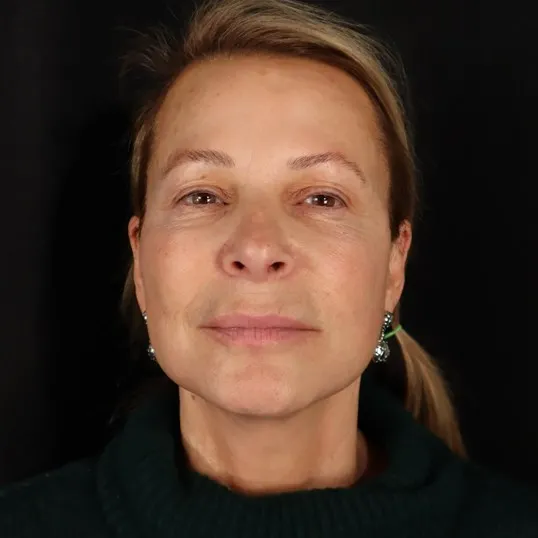
What if the most effective anti-aging strategy wasn’t found in an expensive cream or invasive procedure, but in understanding how your skin actually ages? Facial aging is a natural process driven by a combination of internal and external factors, yet the rate at which it occurs varies dramatically from person to person. By learning which habits and practices genuinely slow visible aging signs, you can make informed decisions about your skincare routine and lifestyle choices.
Understanding How Skin Ages
Facial aging happens through multiple interconnected processes that occur beneath and on the surface of your skin. Collagen and elastin, the proteins responsible for keeping skin firm and supple, break down over time due to sun exposure, oxidative stress, and natural aging. Your skin also produces less natural oil as you get older, leading to dryness and a loss of that plump, youthful appearance. Cell turnover slows down significantly after your twenties, meaning dead skin cells linger longer on the surface, making skin look dull and lifeless. Additionally, repeated facial expressions, sleeping positions, and loss of volume in deeper skin layers contribute to the formation of wrinkles and sagging. Understanding these mechanisms helps explain why certain interventions work better than others when it comes to maintaining a youthful appearance.
Protect Your Skin From Sun Damage
Sun exposure is the leading environmental cause of premature facial aging, responsible for age spots, wrinkles, leathery texture, and other visible damage. Ultraviolet radiation damages collagen and elastin fibers while triggering the production of free radicals, unstable molecules that harm skin cells. Using broad-spectrum sunscreen with an SPF of 30 or higher daily is one of the most scientifically supported anti-aging practices available. Apply sunscreen generously to your face and neck at least 15 minutes before going outside, and reapply every two hours if you’re spending extended time in the sun. Beyond sunscreen, wearing protective clothing such as wide-brimmed hats and UV-blocking sunglasses further reduces cumulative sun damage. Avoiding peak sun hours between 10 a.m. and 4 p.m., when UV rays are strongest, provides additional protection for your facial skin.
Maintain a Consistent Skincare Routine
A well-designed skincare regimen addresses the specific needs of aging skin by cleansing, hydrating, and treating existing damage. Gentle cleansing twice daily removes dirt, pollution, and makeup without stripping the skin of essential oils that maintain its protective barrier. Incorporating a retinol or retinoid product into your nighttime routine is backed by substantial research showing these vitamin A derivatives stimulate collagen production and accelerate cell turnover. Moisturizing daily with products containing hyaluronic acid or ceramides helps plump the skin and minimize the appearance of fine lines caused by dehydration.
Adding an antioxidant serum containing ingredients like vitamin C can neutralize free radicals and brighten dull, aging skin. Consistency matters more than complexity, so establishing a simple routine you’ll actually follow yields better results than an elaborate regimen abandoned after a few weeks. For those whose preventive efforts have not kept pace with significant sagging or volume loss, a board-certified surgeon who specializes in facelift northern virginia procedures can provide a clearer picture of what restorative options may complement an ongoing skincare routine.
Prioritize Sleep and Stress Management
Your skin repairs and regenerates itself primarily during sleep, making adequate rest essential for maintaining a youthful appearance. During deep sleep, blood flow to the skin increases and collagen production ramps up, counteracting daily damage and environmental stressors. Chronic stress elevates cortisol levels, a hormone that breaks down collagen and weakens your skin’s ability to retain moisture. Aim for seven to nine hours of quality sleep each night, and consider your sleep position since sleeping on your side or stomach can crease your face and contribute to sleep wrinkles over time. Practicing relaxation techniques such as meditation, yoga, or deep breathing exercises reduces stress levels and may slow visible aging processes. Making sleep quality a priority sends resources toward skin repair rather than toward managing constant stress, resulting in clearer, more resilient facial skin over time.
Support Skin Health Through Diet and Hydration
The foods you consume directly influence your skin’s ability to maintain elasticity, firmness, and a healthy glow. A diet rich in antioxidants from colorful vegetables, berries, and leafy greens helps combat free radical damage that accelerates aging. Omega-3 fatty acids found in fatty fish, walnuts, and flaxseeds support the skin’s lipid barrier and reduce inflammation associated with aging skin conditions. Staying properly hydrated by drinking adequate water supports skin plumpness and helps flush toxins that can dull your complexion. Limiting sugar and processed foods reduces inflammation and glycation, a process where sugar molecules attach to collagen and elastin, causing them to become stiff and less effective. While no specific food can erase wrinkles, consistent dietary choices that emphasize whole foods and hydration create an internal environment that supports your skin’s natural repair processes.
Conclusion
Slowing the signs of facial aging requires a multifaceted approach that combines sun protection, consistent skincare, adequate sleep, stress management, and nutritional support. No single strategy produces dramatic overnight transformations, but these evidence-based practices work together to maintain skin health and minimize visible aging over time. The most effective anti-aging approach is one you can sustain consistently, rather than cycling through trendy treatments or expensive procedures. By understanding how your skin ages and addressing both internal and external factors, you position yourself to maintain a more youthful appearance throughout your life. Starting these practices now, regardless of your current age, offers the best chance of slowing facial aging before significant damage accumulates.
Leave a Reply