
Image credit Unsplash
Seasonal AC maintenance helps control energy costs, improves indoor air quality, and reduces the chance of a breakdown on the hottest day of the year. Most upkeep tasks are simple enough to handle at home, while a yearly professional visit can catch worn parts and airflow problems early. A dependable routine also helps your system cool rooms evenly without running longer than necessary.
Start each season with a clean filter
Check the filter before the cooling season begins, then inspect it about once a month while the system is in regular use. Dust, pet hair, and pollen can clog the material, restricting airflow and forcing the unit to work harder. Some filters can be washed, while disposable versions need to be replaced. Follow the manufacturer’s instructions and make sure the new filter faces the correct direction.
Homes with pets, nearby construction, or family members with allergies may need more frequent changes. Write the replacement date on the filter frame or set a recurring phone reminder so this easy task doesn’t slip your mind.
Know when to call a professional
Home maintenance can handle surface cleaning and filter changes, but refrigerant issues, electrical faults, and poor airflow require professional attention. Arrange an inspection if the system makes new noises, gives off unusual odors, cycles on and off repeatedly, or struggles to reach the selected temperature.
Homeowners who need professional air conditioning installation or maintenance in the Bathurst region can also ask about system sizing, duct condition and energy-efficient climate control. A technician can clean internal components, test operating pressures and spot loose connections. Scheduling service before peak summer demand may give you more flexibility when choosing an appointment.
Clear the area around the outdoor unit
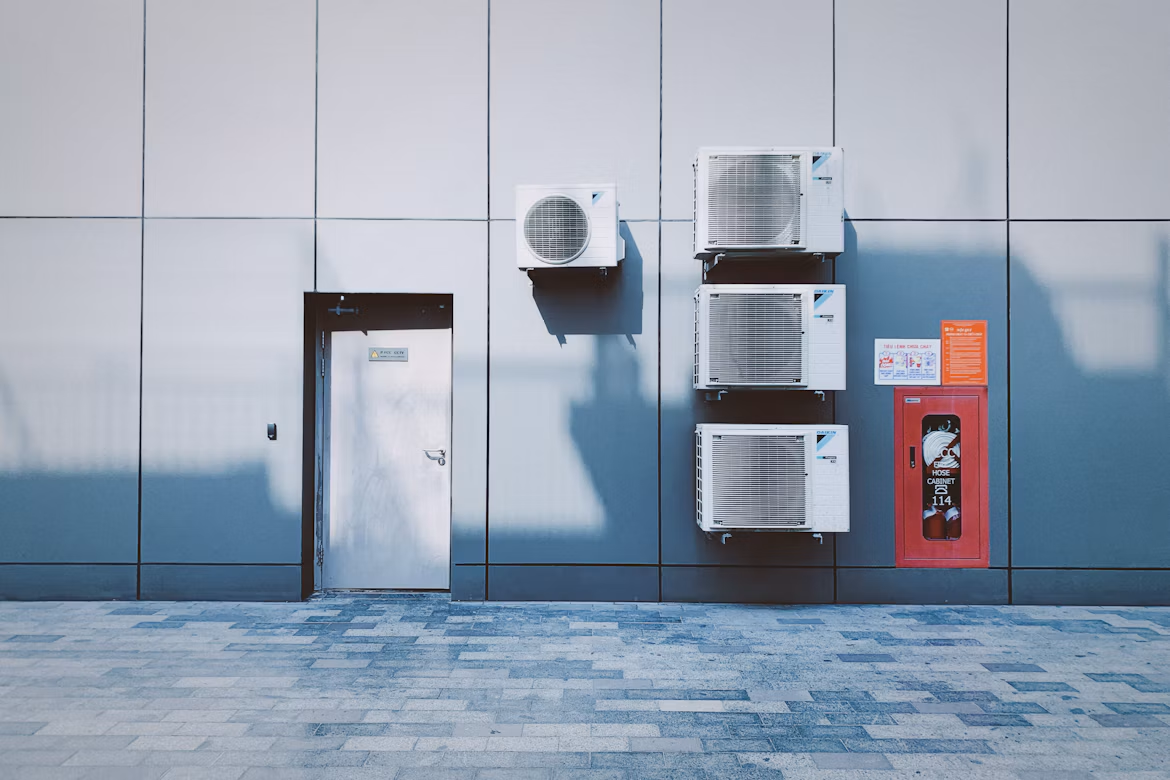
The outdoor unit needs open space to release heat effectively. Turn the system off before removing leaves, grass clippings, and other loose debris from around the cabinet. Trim plants back far enough to preserve airflow, but check the manufacturer’s clearance guidance before deciding how much space to leave.
Look over the visible coil fins and exterior panels without taking the unit apart. Bent fins, heavy buildup, or signs of damage call for professional care. Keep nearby sprinklers pointed away from the cabinet as well. Regular exposure to water and lawn treatments can leave mineral deposits or residue on exterior components.
Use your thermostat more efficiently
Small thermostat adjustments can lower energy use without making the house uncomfortable. Choose a reasonable temperature and avoid repeatedly pushing the setting much lower in hopes of cooling the room faster. Most systems will cool at the same rate while running longer to reach an extreme setting.
Timers and programmable controls can reduce unnecessary operation when everyone is asleep or away. Hitachi’s guide to efficient AC use also covers practical habits such as keeping doors and windows closed. For more ideas, ENERGY STAR provides heating and cooling guidance focused on comfort and household efficiency.
Help clean air move through the house
Supply vents and return grilles need room to move air. Vacuum visible dust with a soft brush attachment, then check that curtains, rugs and furniture aren’t blocking the openings. Closing multiple vents can disrupt the system’s intended airflow, so leave them open unless a technician recommends a different arrangement.
Ceiling fans can help distribute cooled air through occupied rooms, allowing you to feel comfortable at a slightly higher thermostat setting. Keep exterior doors closed and repair damaged window seals. If one room stays warm despite these changes, the cause may be a duct leak, poor insulation or an incorrectly balanced system.
Keep a simple maintenance record
Record filter changes, service appointments and any changes in performance. A note such as “bedroom takes 20 minutes longer to cool” gives a technician more useful information than a general complaint that the system feels different. Keep model numbers, warranty details, and service receipts in the same folder or digital file.
Before the next cooling season, check that your thermostat responds correctly, clear the outdoor cabinet, and install a fresh filter if needed. Those specific tasks take little time, yet they give your AC a cleaner and less demanding start when temperatures climb.
Leave a Reply