
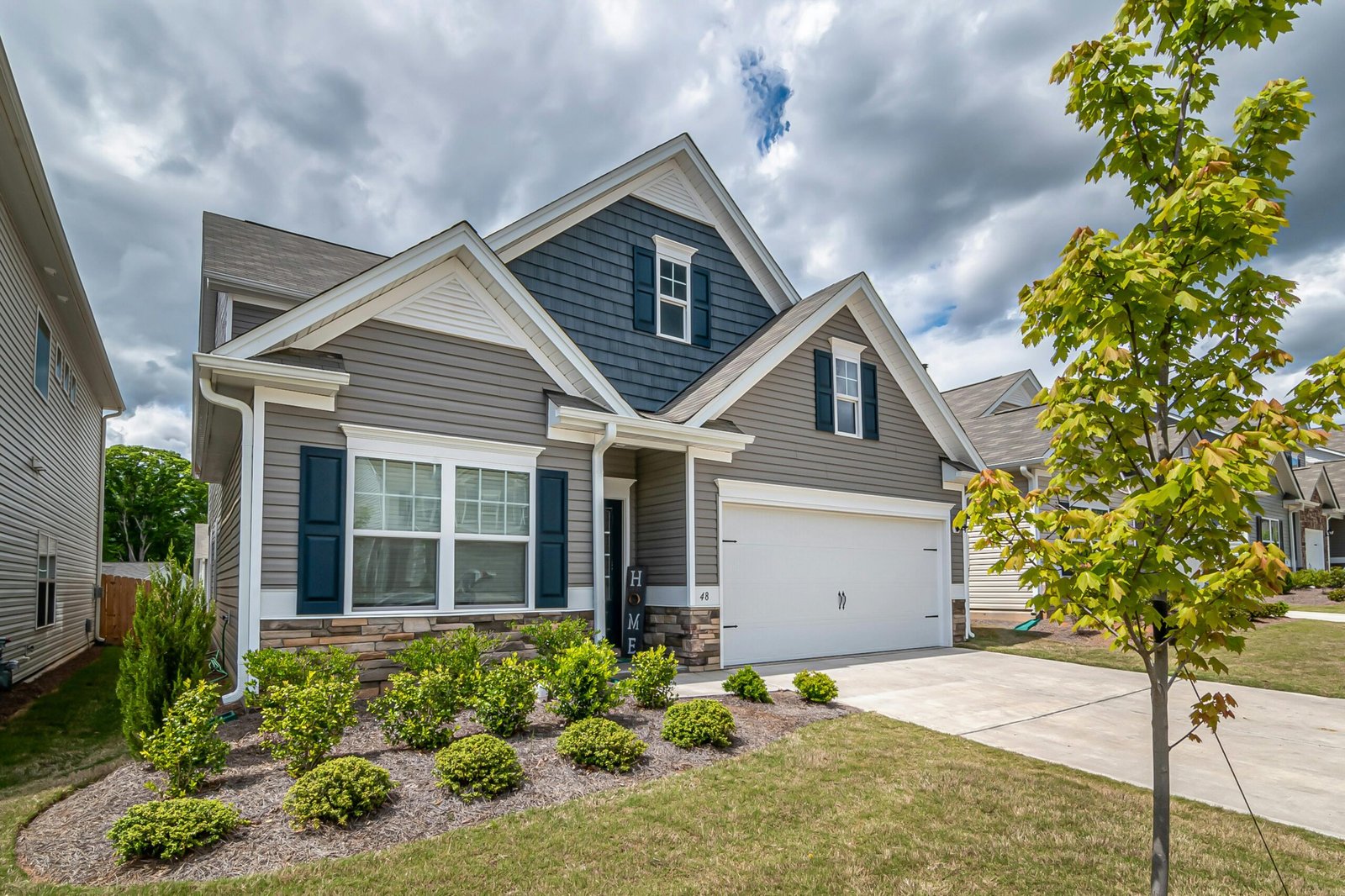
Your home’s exterior can take a battering from the elements all year round. And all homeowners know that making your home look good on the outside as well as the inside is a sure-fire way to keep it in good condition, too.
In fact, investing in your home’s curb appeal can do more than just look good; it can help you avoid any major structural problems and boost the value and potential of the property should you choose to sell up and move on.
With this in mind, let’s take a look at some maintenance tasks you can do to make sure your home’s exterior is in good shape all year round.
Roof Inspections
The baseline for checking your roof is twice per year, ideally pre- and post the season where the weather can cause the most damage. This usually falls in autumn, before winter does the most damage, and in spring, once the worst of the weather is over.
When performing your roofing checks, you’re looking for lifted or cracked shingles. Any missing shingles or tiles, damaged flashing around chimneys and vents, as well as any soft spots that suggest moisture has gotten underneath.
The earlier you catch a compromised section, the faster you can deal with it and get it repaired before it causes too much damage to the rest of the roof and the internal structure of your home. If you do find any damage, this is where you contact expert local roofers who can work with you to remedy any roof damage.
Gutter Cleaning
Ideally, you’ll be cleaning your gutters on a regular basis, but at the very least, do this when you’re doing your roofing checks, as gutter damage and roof damage can be connected. For example, if your shingles are breaking down, the debris will accumulate in your gutters.
However, that’s not the only thing that can cause blocked gutters. Debris from the environment, such as leaves, animals depositing items on the roof, or rotting timber, etc., can find their way into your gutters and cause problems.
Not checking your gutters for blockages or damage will result in water building up and having to find another way down the building, and this will likely be down the walls, causing damage to the structure of your home. From here, you’ll have standing water issues externally, mold and damp internally, and suddenly, that simple gutter cleaning task will cost you thousands of dollars more.
When you do your gutter checks, check for anything accumulating that shouldn’t be there, look for cracks, holes, or loose fittings. Check that the downspout extensions are facing the right way, directing water away from the building, and that nothing is loose or sagging. If it is, get it repaired asap.
For homeowners who would rather leave gutter clearing and exterior maintenance to professionals, DT Cleaning provides gutter cleaning and related exterior cleaning services across Toronto and the GTA, helping keep drainage systems clear without turning routine upkeep into a ladder-based DIY job.
Exterior Cleaning
Dirt, mold, mildew, algae, and organic buildup don’t just look bad; they can damage your home if they’re not addressed quickly. They work themselves into surfaces and degrade the material, leaving you with extensive damage, rendering your home potentially unsafe to live in.
You can remedy this by having pressure washing carried out on the hard surfaces outside of the property, such as driveways, your external walls, sidewalk, patios, and your garage doors, etc.
The trick for effective pressure washing is to get the PSI right for the surface you’re cleaning.
A pressure washing company will know exactly what settings to use so softer materials aren’t damaged during the clean. The last thing you want is to cause more damage to areas like your roof, as the pressure was too high.
If you have more stubborn buildup, you can use a mild detergent safe for use on the surface and use a brush to loosen it before using a pressure washer.
Painting and Caulking Refreshes
Over time, the paintwork on your home or your siding can fade, peel, flake, or bubble and crack. And this isn’t just unsightly to look at; it’s also exposing the surface underneath to damage from the environment. The last thing you want is moisture getting underneath the substrate.
So check the outside of your home periodically to make sure the caulk and the paintwork are in good condition, and if it isn’t, top up any areas that need a refresh. Even if it means stripping the old out and restarting from scratch.
The best time to do this, again, is before winter sets in, so your home is protected from the more extreme weather in your area, allowing you to minimize any damage or prevent damage from occurring from failure points due to paint and caulk.
Window Maintenance
For the most part, the glass in your windows won’t need replacing unless something has specifically damaged them. It’s more likely that you’ll need to do upkeep and maintenance on the frames and the seals instead.
This is especially true if you have old-style timber framing for your windows.
What you’re looking for here is any signs that the moisture is impacting the wood, paint peeling, or bubbling, which is a sign of water damage, or even panes rattling in the frame, indicating that the seals aren’t holding the glass in place.
If you have double or triple-glazed windows, you want to check the seal between the window and the wall. Failed caulking here is the number one cause of interior damp. And if you have any signs of fogging between the panes, then this is the panes losing their seal, and you’ll need the whole unit replaced; simply resealing it won’t fix this issue.
Driveway Repairs
Concrete and asphalt both succumb to wear and tear over time. The more excessively used the surface is, the faster it’s likely to fail epseiclly if you’re not caring for it regularly and it experiences regular freeze-thaw cycles.
What you want to do is, as soon as you see any signs of cracks, fill them immediately. Every three to five years, add a sealant for asphalt driveways or surfaces to help slow down oxidation and surface degradation. If you have a concrete driveway, pay attention to the surface texture. If the surface layer is flaking off, does this mean it’s sustaining water damage, and you’ll need to address drainage as well as repairs to stop it from happening again or deteriorating faster.
Leave a Reply