
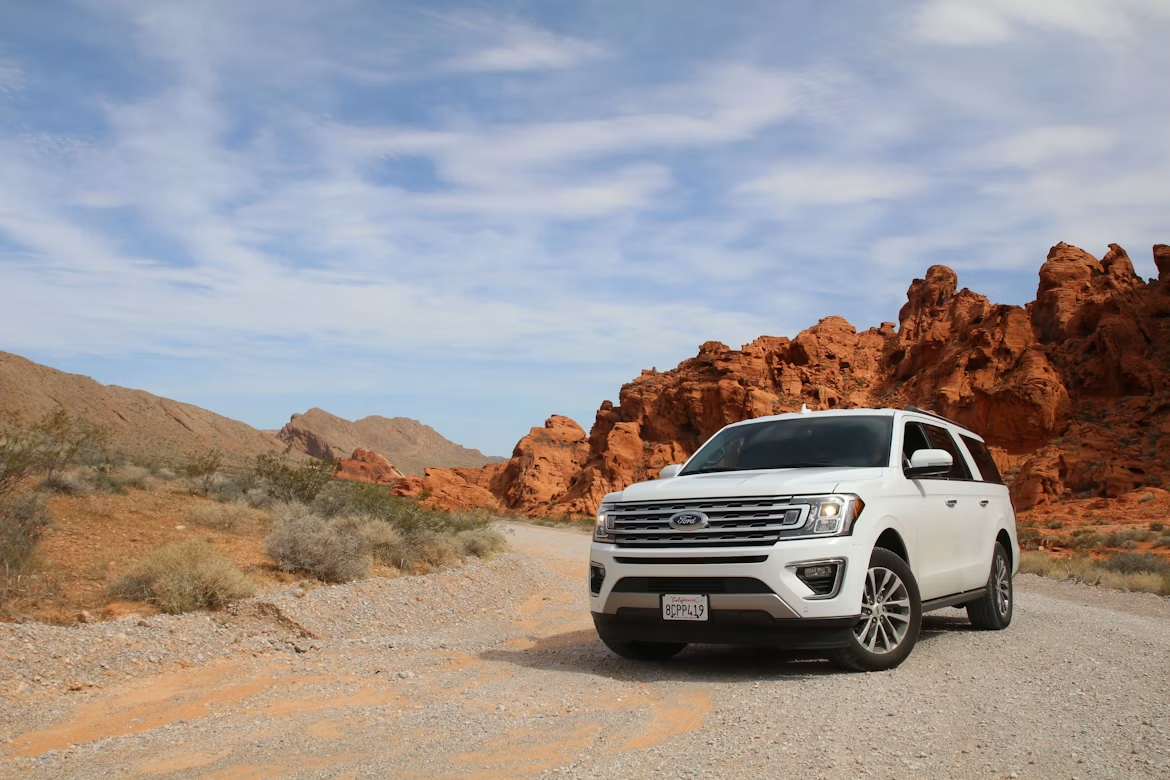
Image Credit: Unsplash
Choosing your next vehicle is a big decision. It’s all about balancing what you want with what you need and what you can afford. For many buyers, the main question is whether to buy a brand-new car straight from the factory or go for a used model. Both options have their pros and cons, and the right choice really depends on your personal situation and priorities. If you think carefully about your finances and how you live, you’ll find a car that serves you well for years.
Assess Your Driving Needs
Before you even start looking at cars, take a moment to think about how you’ll actually use one. Your daily routine is the biggest factor here. Do you have a long commute that needs great fuel efficiency? Or do you work from home and only need a car for weekend errands? Also, think about your family size. A two-seater sports car might sound fun, but it won’t work for school runs and soccer practice. If you often take road trips, comfort and reliability are key. Make a list of what you absolutely need versus what would be nice to have. This will give you a clear picture of the ideal car for your life.
The Advantages of a Brand-New Ride
There’s something special about being the first owner of a car. You get the latest technology, advanced safety features, and a full manufacturer’s warranty. This warranty covers repairs for the first few years or a certain number of miles, giving you a safety net against unexpected costs. It’s also reassuring to know the vehicle has no prior accidents or maintenance issues. While the initial cost is higher, pros of buying a new car often include attractive financing deals, and there’s the pure enjoyment of a pristine car customized exactly how you want it.
Understanding Vehicle Depreciation
A car loses value over time, and this is called depreciation. It’s one of the biggest costs of owning a car. New cars lose value fastest in their first few years, often dropping a lot the moment you drive them off the lot. This is a major financial point to consider. A used car has already gone through its biggest depreciation period, meaning its value will drop much more slowly. You can use an online tool to calculate your vehicle depreciation and see how different models and years compare. This alone makes used cars an appealing option if you’re watching your budget.
Finding Value in Pre-Owned Vehicles
The most obvious benefit of buying a used car is the lower price. You can often get a higher-end model with more features for the same price as a new, basic model. This means your budget goes a lot further. While a used car might have some wear and tear, many are in excellent condition. For extra peace of mind, look into certified pre-owned (CPO) programs. These cars are inspected, refurbished, and backed by a limited warranty from the manufacturer, giving you many of the benefits of a new car at a lower cost.
Budgeting for Your Next Purchase
Your budget needs to cover more than just the purchase price. The total cost of ownership includes insurance, fuel, regular maintenance, and potential repairs. New cars usually have lower maintenance costs at first because of the warranty, but their insurance premiums might be higher. Used cars might need repairs more often but often cost less to insure. Following a good guide to the car-buying process can help you account for all these variables. Add up all the potential expenses to make sure the car you pick fits comfortably within your overall financial plan.
Ultimately, the best choice is the one that fits your budget and your lifestyle. Take your time, do your research, and test drive a few options from both categories before you make your final decision.
Leave a Reply