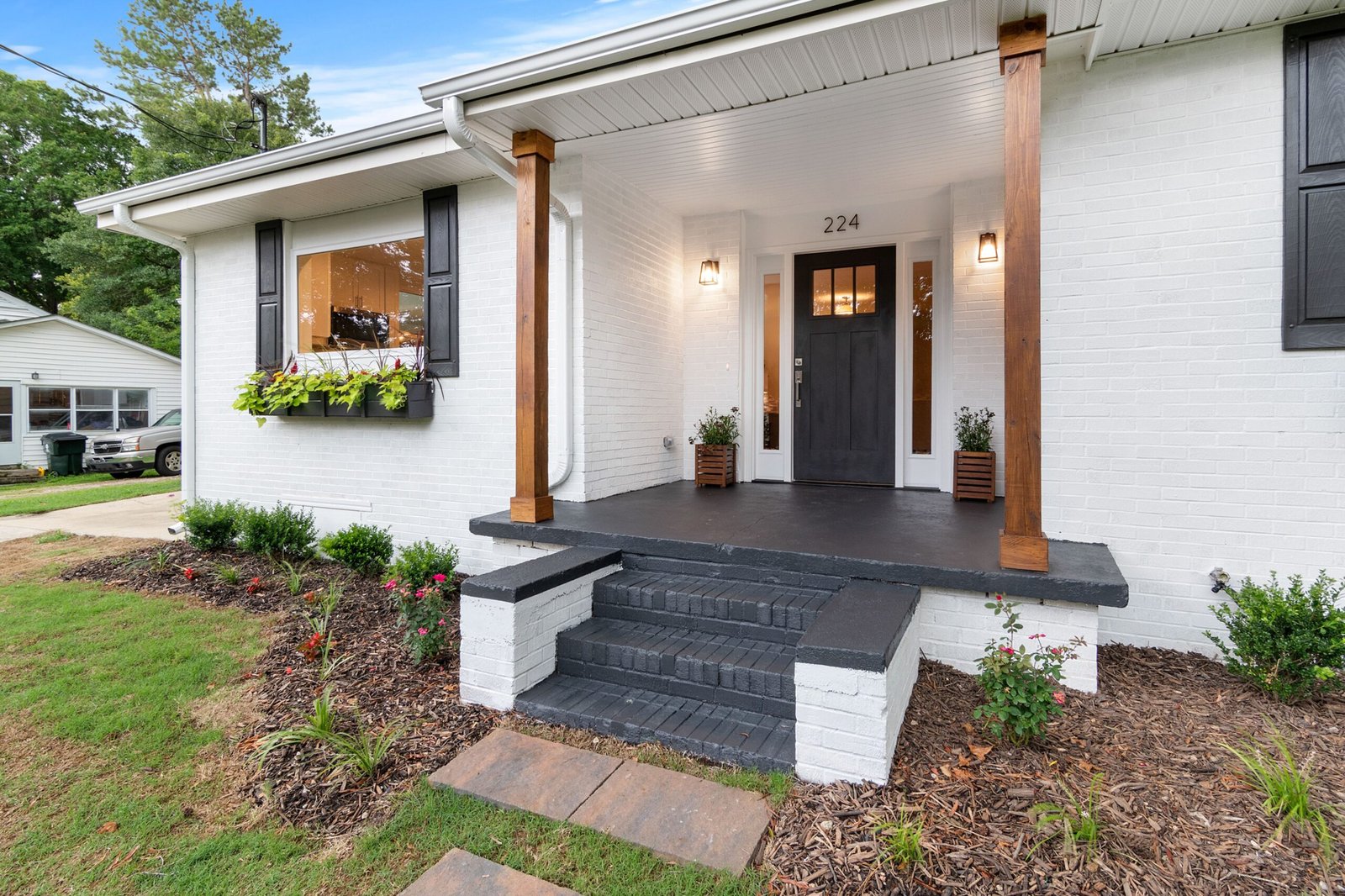
There comes a point when you stop seeing your home’s exterior every day and suddenly notice everything at once. The faded siding, the peeling paint, the section that never quite looks clean, no matter how often it gets washed.
Exterior problems rarely appear overnight. Most develop slowly enough that homeowners adjust to them without realizing it. In places like Cincinnati, changing seasons, heavy rain, summer humidity, winter freezes, and strong winds can gradually wear down exterior materials. A home may still look fine from a distance while small signs of deterioration continue building beneath the surface.
When Your Siding Starts Showing Its Age
Siding is one of those parts of a home that people rarely think about until something starts looking off. Because the changes happen gradually, it is easy to ignore early warning signs. A few loose panels, fading color, small cracks, or areas that seem slightly warped may not feel urgent at first. The house still looks fine from a distance, and daily life continues without interruption. The problem is that siding is exposed to sun, rain, wind, temperature swings, and moisture year after year. Over time, what begins as minor wear can develop into larger issues that affect both appearance and protection.
For homes in Cincinnati siding replacement services become necessary when these signs become noticeable. Professionals help homeowners better understand the condition of their exterior. In many cases, the concern goes beyond curb appeal. Aging siding can impact energy efficiency, moisture resistance, and the overall ability of the home to withstand changing weather conditions. Identifying those issues early often makes it easier to decide whether repairs are still practical or if a larger upgrade may be worth considering.
Fading and Discoloration Can Signal Aging Materials
Color changes are often dismissed as a cosmetic issue. Sometimes they are. Other times, they point to materials that have spent years absorbing sunlight, moisture, and temperature fluctuations. When siding begins fading unevenly, it may indicate that the protective surface has started breaking down. This does not always mean immediate replacement is necessary, but it can suggest that the material is approaching the later stages of its lifespan.
Homeowners often focus on more dramatic problems while overlooking gradual changes in appearance. Yet those subtle changes can provide useful clues about the condition of the exterior. The house may still look acceptable from the street, but the materials themselves could be telling a different story.
Cracks and Gaps Deserve Attention
Small cracks have a habit of appearing harmless. A narrow gap between panels or a minor crack near a corner may not seem significant at first. The problem is that even small openings can allow moisture to enter areas that are supposed to remain protected.
Water does not need much space to create problems. Over time, repeated exposure can affect insulation, sheathing, and other components hidden behind the exterior surface. Many costly repairs begin with openings that looked too minor to worry about.
Higher Energy Bills Can Be Connected
Homeowners often blame rising energy costs entirely on utility rates. While those increases certainly play a role, the condition of the home’s exterior can also influence heating and cooling efficiency. When siding begins deteriorating, gaps and weak points may allow conditioned air to escape more easily. Heating systems work harder during winter. Cooling systems stay active longer during summer. The change usually happens gradually.
Because utility bills fluctuate throughout the year anyway, homeowners may not immediately connect those higher costs to exterior performance. Yet the relationship is often stronger than expected.
Moisture Problems Rarely Stay Small
One of the biggest warning signs involves moisture. Water stains, mold growth, mildew, or recurring damp spots near exterior walls should not be ignored. These issues often suggest that water is finding a way where it does not belong.
Exterior systems are designed to shed water away from the structure. When that protection weakens, moisture can begin affecting materials behind the visible surface. The frustrating part is that damage behind the walls is rarely obvious at first. By the time visible signs appear indoors, the problem may have been developing for quite a while.
Maintenance Seems Never-Ending
There is a difference between routine maintenance and constant maintenance. Every home requires occasional upkeep. That is normal. However, when homeowners find themselves repeatedly repainting, patching, sealing, or repairing the same sections year after year, it may be worth asking whether the underlying material is reaching the end of its useful life.
Repeated repairs can feel less expensive because the costs are spread out over time. Eventually, though, those smaller expenses begin adding up. What seemed like a cost-saving approach may become more expensive than addressing the larger issue directly.
Curb Appeal Still Matters
People often associate curb appeal with selling a home. It matters for that reason, but it matters for everyday ownership as well. A well-maintained exterior creates a different impression, both for visitors and for the people who live there. Homeowners tend to feel more confident about their property when the exterior reflects proper care.
This is not about chasing trends or keeping up with neighbors. It is simply about maintaining a home that looks consistent with the effort invested inside. Exterior deterioration has a way of making an otherwise well-maintained property appear older than it actually is.
Changing Needs Can Influence Exterior Upgrades
Sometimes an upgrade has less to do with damage and more to do with changing priorities. Modern homeowners often pay closer attention to energy efficiency, durability, and long-term maintenance requirements than previous generations did. Consumer preferences shift over time. Building materials improve. New products become available that offer benefits older materials may not provide.
A home that was built decades ago may still be structurally sound while no longer meeting current expectations for performance or upkeep. That difference matters.
Looking at the Bigger Picture
Exterior upgrades become necessary because several smaller signs begin appearing at the same time. Fading, cracking, moisture concerns, rising energy costs, and increasing maintenance demands all contribute to the larger picture.
The challenge is that homeowners become accustomed to gradual changes. What seems normal after years of exposure may actually represent a significant shift in the condition of the exterior. Taking a closer look from time to time helps separate normal aging from signs that the home may be ready for something more substantial. A house does not need to be falling apart before an upgrade makes sense. In many cases, the most practical decisions are made before the problems become impossible to ignore.
Leave a Reply