

Image Credit: Pexels
Neck and shoulder comfort often depends on small choices repeated throughout the day. The height of your screen, the weight of your bag and even the way you hold your phone can affect how those areas feel by evening. Paying attention to these everyday habits and making a few practical adjustments can reduce unnecessary strain without requiring a complete change to your routine.
Persistent pain, tingling, or weakness deserves medical attention. For everyday stiffness, though, it helps to look closely at the habits and objects placing a steady demand on your upper body.
Tension Creeps Up Quietly
Muscle tension can build long before you notice discomfort. You may lean toward a laptop during a morning meeting, raise one shoulder while holding a phone or sit in the same position through several tasks. Each action seems harmless for a few minutes, but the combined effect can leave your upper body feeling tight.
Common signs include a dull ache across the shoulders, limited neck movement and tenderness near the base of the skull. Stress can add to the problem because people often tense their shoulders or clench their jaws without realizing it.
Start checking your posture at natural transition points. When you finish an email, get out of the car or switch household tasks, let your shoulders drop and bring your head back over your torso. Your ears should sit roughly above your shoulders instead of drifting toward the screen.
Also pay attention to your breathing. Slow breaths that expand your ribs can encourage the muscles around your neck to relax. Try five calm breaths while keeping your feet supported and your hands loose. This brief reset works well because it interrupts tension before it becomes the position you hold for the rest of the afternoon.
Lighten What You Carry Daily
A heavy bag creates a steady downward pull that your neck and shoulders must manage. Empty yours once a week and sort everything into three groups: daily necessities, occasional items, and things that can stay at home or in the car. Old receipts may weigh very little, but spare chargers, full water bottles and unused notebooks quickly add up.
Look for duplicate items first. You may not need a large cosmetics pouch, multiple electronic accessories, and several days’ worth of snacks on every trip. Travel-size containers and a slim folder can remove bulk while keeping useful items close.
Your bag’s design matters too. Wide, padded straps usually spread pressure over a larger area than narrow straps. Commuters, travelers, and students comparing ergonomic bags can also look at compartment placement, strap adjustment, and weight distribution before choosing a style. The empty weight of the bag deserves attention because a heavy frame uses part of your comfortable carrying capacity before you pack anything.
As a practical test, pack the bag as you normally would and wear it around your home for 10 minutes. Notice any strap digging, shoulder lifting or urge to lean forward. Those early signals suggest the load or fit needs adjustment. Weighing the packed bag on a bathroom scale can also reveal how much you’re carrying more clearly than lifting it briefly with one hand.
Smarter Ways to Balance the Load
Keep the heaviest items close to your body. A laptop placed against the back panel moves less and creates less backward pull than one sitting in an outer pocket. Put smaller objects in the middle compartments, while lightweight items such as tissues belong farther away from your back.
Use both straps on a backpack and shorten them enough to keep the bag close without forcing your shoulders upward. A bag that hangs low can sway as you walk, encouraging your upper body to compensate with every step. The backpack safety guidance for families commonly emphasizes using both shoulder straps, selecting wide padded straps and organizing the contents carefully. Those principles can help adults as well.
For a single-strap tote or messenger bag, carry only a light load and switch sides regularly. Set a reminder if you tend to forget. Holding the strap in place by lifting one shoulder creates extra tension, so adjust the length until the bag stays secure with your shoulders level.
Think about the whole trip, not only the first few minutes. A load that feels manageable at the front door may become tiring after a walk, a train ride and several flights of stairs. If you have to carry more than usual, split items between two balanced containers or use a rolling option where surfaces allow. Whenever possible, leave duplicates of frequently used supplies at work, school or another regular destination.
Quick Midday Relief Stretches
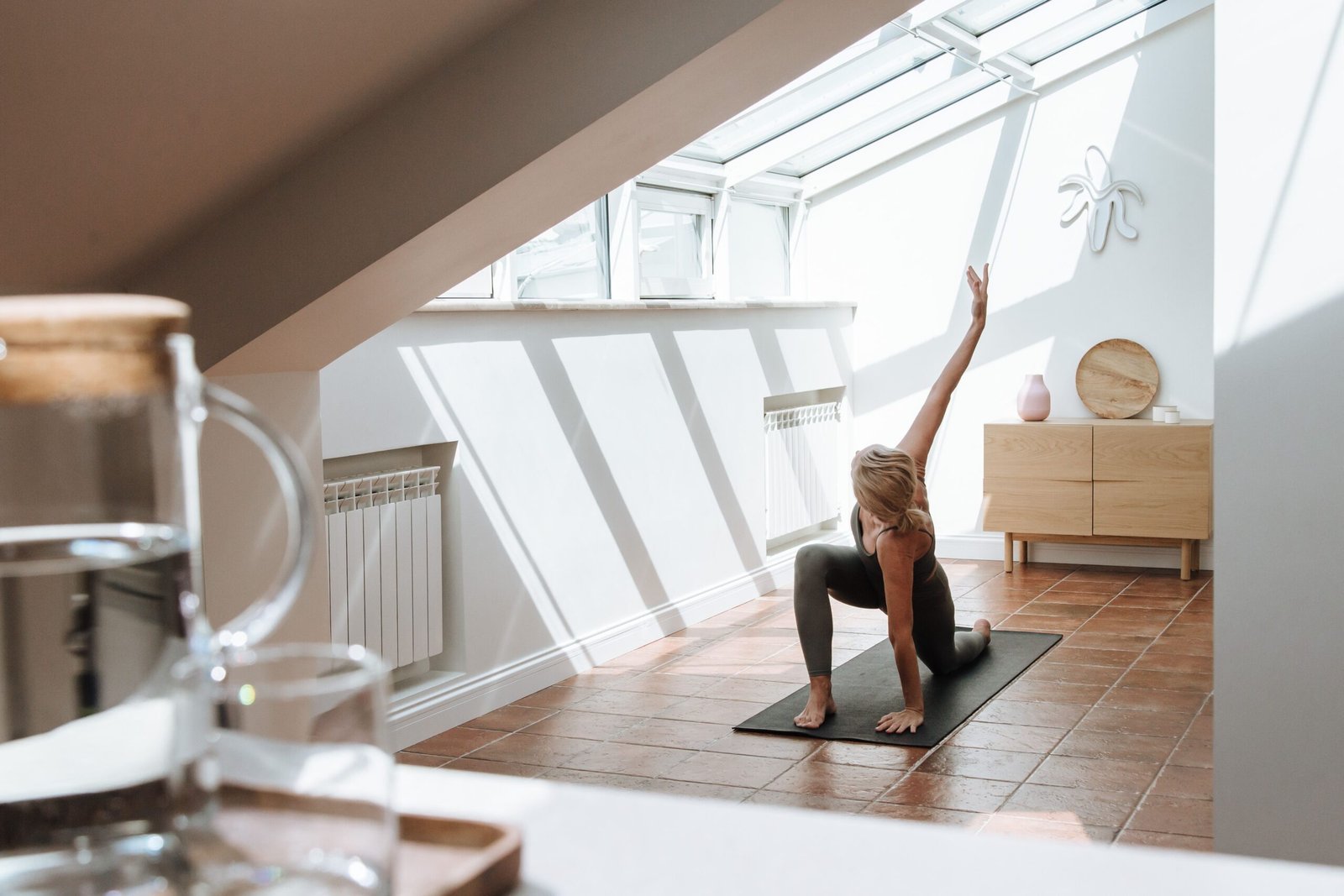
Image Credit: Pexels
A short movement break can help after prolonged sitting, driving, or carrying. The Mayo Clinic’s office stretching advice includes gentle movements that can fit into the workday. Move slowly and stay within a comfortable range. Stretching should create a mild pulling sensation, not sharp pain, numbness, or dizziness.
Begin with a neck turn. Sit tall, face forward, and slowly turn your head to the right until you feel a gentle stretch. Hold for about 15 seconds, return to center, and repeat on the left. Keep your chin level so the movement comes from rotation instead of tilting.
Next, try a shoulder-blade squeeze. Let your arms rest by your sides, then draw your shoulder blades gently toward each other. Hold for five seconds and release. Complete five repetitions without arching your lower back or lifting your shoulders toward your ears.
A doorway chest stretch can be useful after working at a screen. Place your forearms against the sides of an open doorway with your elbows below shoulder height. Step forward slightly until you feel a comfortable stretch across the front of your chest, then hold for 15 to 20 seconds.
Movement breaks don’t need to become full exercise sessions. Stand up, walk to another room, and roll your shoulders a few times every 30 to 60 minutes. Frequent position changes usually feel better than waiting until stiffness has already settled in.
Daily Habits for Long-Term Comfort
Set up frequently used spaces so your body doesn’t have to strain toward them. At a desk, place the screen directly in front of you with the top around eye level. Keep the keyboard and mouse close enough that your elbows remain near your sides. The OSHA computer workstation guidance offers practical information on monitor position, seating, and desk arrangement.
Phone habits deserve the same attention. Bring the device closer to eye level for short periods and support your elbows when possible. For longer calls, use speaker mode or a headset instead of pinning the phone between your ear and shoulder. If you read on a tablet in the evening, prop it on a stand so you’re not looking down for an entire chapter.
Regular activity also helps your body tolerate daily demands. Walking, gentle mobility work and strength exercises for the upper back and core can support comfortable posture. If you’re new to exercise or managing an injury, ask a qualified health professional which movements suit you.
Your sleep setup can affect how your neck feels in the morning. A pillow should support the natural position of your head without pushing it sharply forward or letting it drop too far to one side. Since body shape and sleep position vary, comfort and neutral alignment are more useful guides than a particular pillow height.
Tomorrow morning, check one specific detail before leaving home: how your packed bag sits once both shoulders are relaxed. That quick test may prevent hours of carrying a load that never fit properly in the first place.
Leave a Reply