Image Credit: Unsplash
Feeling like you’re drowning in stuff? You’re not alone. Our homes can quickly turn into storage units for things we once needed, items we *might* use someday, and even stuff we’ve totally forgotten we own.
Taking control of all that clutter can feel like a huge job, but simplifying your space is truly one of the best things you can do for both your home and your head. The trick is to start small and just get going.
The Mental Benefits of Less Stuff
When your home is messy, your mind often feels messy too. Always seeing unfinished projects, piles of mail, or overflowing closets can create a quiet, nagging sense of stress. Clearing out physical items can actually have a surprisingly powerful effect on how you feel mentally.
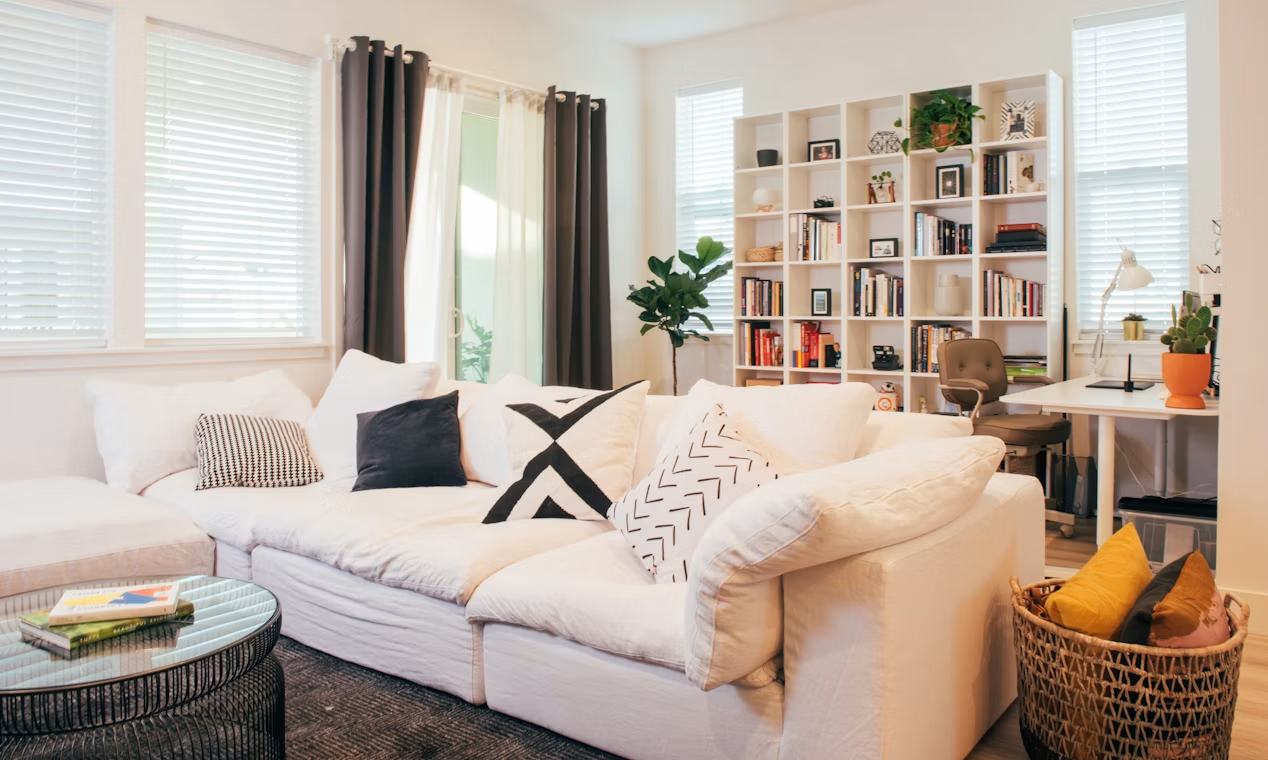
Research even points to the significant mental health benefits of decluttering, which include less anxiety and better focus. When your surroundings are tidy and calm, it’s easier for your mind to feel that way too. You’ll find it’s easier to relax, concentrate on tasks, and even sleep better in a space that feels open and in your control.
Start Small: One Room at a Time
The biggest mistake people make is trying to declutter their whole house in one weekend. This almost always leads to burnout and, often, a bigger mess than when you started.
The secret to success is to break the project down into tiny, manageable pieces. Don’t think about cleaning the entire kitchen; instead, just focus on one drawer. Tidy the bathroom counter, not the whole bathroom.
By picking one small, contained area, you can get a quick win. This success builds motivation to tackle the next small area, creating a positive loop that makes the whole process feel doable instead of impossible. For a full breakdown on conquering clutter, having a step-by-step plan is super helpful.
Deciding What Stays and What Goes
This is often the trickiest part of the whole process. It’s easy to get stuck trying to decide what to do. To make it simpler, set up some clear rules for yourself. Here are a few popular methods:
- The One-Year Rule: Have you used this item in the last year? If not, it’s a strong candidate to let go of.
- The Joy Question: Does this item bring you genuine joy or serve a clear purpose? If the answer is no, it’s time for it to move on.
- The Container Concept: Designate a specific box or shelf for a category of items, like mugs or books. If you get a new one, an old one has to go to make space.
As you sort, make distinct piles: keep, donate, store, and discard. For big furniture pieces or lots of boxes going to a storage unit or donation centre, you might need some help. Professional removalists can manage the heavy lifting and transport, freeing you up to enjoy your newly organised space.
Organising for Future Moves
Even if you have no plans to move anytime soon, organising your home as if you might is a brilliant strategy. Decluttering is the hardest part of any relocation. Doing it now means you’re always prepared.
As you organise, think about how items would be packed. Store seasonal items like holiday decorations or winter coats in clearly labelled, sturdy bins. Keep important documents together in one designated file box.
This forward-thinking approach not only simplifies your current life but also drastically cuts down on the stress and cost of any future move. You’ll thank yourself later when you’re not paying to move and store items you don’t even want.
Maintaining a Simplified Space
Decluttering isn’t a one-time thing; it’s about building new habits to stop clutter from creeping back in. The most effective strategy is the “one in, one out” rule. Whenever you bring something new into your home, an old item in the same category must leave. This simple practice stops accumulation before it even starts.
Also, try scheduling a quick 15-minute “reset” each evening to put things back where they belong. This prevents small messes from turning into big ones. Being more mindful about your purchases will also help you maintain a simplified, peaceful home for years to come.
A clutter-free home isn’t about having empty, sterile rooms. It’s about making intentional choices so that your space is filled only with things you use, need, and truly love.
Leave a Reply