
Image credit Unsplash
Heat pumps offer a practical way to heat and cool a home with one efficient system. Instead of producing heat through combustion, they transfer it from one place to another. During winter, they move heat indoors, and during summer, the process reverses to cool your rooms. This all-season design can simplify home comfort, but a successful transition depends on choosing suitable equipment, checking the house itself and planning the installation carefully.
How an all-season heat pump works
A heat pump uses refrigerant, coils and a compressor to move heat between indoor and outdoor air. Even cold winter air contains usable heat, though the system must work harder as temperatures fall. Cold-climate models are designed to continue operating efficiently during lower temperatures.
The system’s ability to provide both heating and cooling is one of its main attractions. Homeowners can also gain more consistent indoor temperatures and better humidity control. NYS Clean Heat outlines several heat pump benefits, including improved efficiency and the option to reduce reliance on traditional heating fuels. Actual results will depend on the equipment, climate, and condition of the home.
Know when it makes sense to switch
Consider switching when an existing furnace, boiler or central air conditioner is nearing the end of its service life. Replacing two aging systems with one heat pump may be easier to justify than removing equipment that still performs well.
A comfort consultation can help determine whether your electrical service, ductwork and insulation are ready for the change. Homeowners in Harbor Springs, Charlevoix, Petoskey and nearby communities can explore professional heat pump installation or replacement when comparing options for an aging HVAC system.
Plan early when possible. A scheduled spring or fall replacement gives you more time to compare models, review estimates and address any electrical or duct repairs before extreme weather arrives.
Choose equipment for your home and climate
Start with proper system sizing. A heat pump that’s too small may struggle during temperature extremes, while an oversized unit can cycle frequently and provide uneven comfort. Contractors should calculate heating and cooling loads using the home’s square footage, insulation, windows, air leakage and local design temperatures.
Look at more than the purchase price. Compare efficiency ratings, low-temperature performance, operating noise and warranty coverage. Independent whole-house heat pump ratings can provide useful context, but the highest-rated model still needs to suit your property.
You’ll also need to choose between ducted and ductless equipment. Existing ducts may support a central system, while ductless units can serve additions or homes without usable ductwork.
Prepare the house before installation
Small home improvements can reduce the amount of energy a new system needs. Seal obvious air leaks around exterior doors, attic openings, and utility penetrations. Check attic insulation and have damaged or poorly sealed ducts repaired. These projects can improve comfort regardless of which heat pump you select.
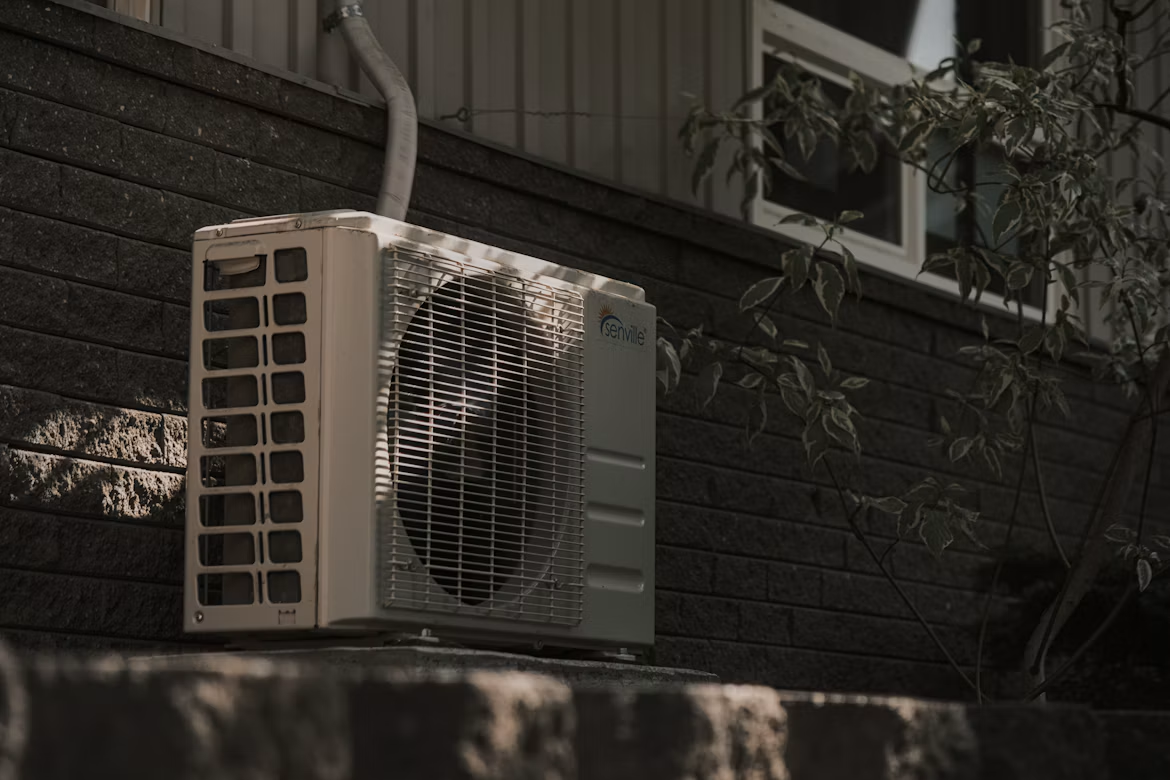
Ask the installer where the outdoor unit will sit. It needs steady airflow and enough clearance for service. Avoid locations directly beneath roof runoff, and keep shrubs from crowding the unit. Indoor equipment should also remain accessible for filter changes and maintenance.
If the project requires an electrical upgrade, include that work in the budget and schedule. Finding this out before installation day can prevent frustrating delays.
Set realistic expectations for cost and comfort
Request an itemized estimate that covers equipment, labor, controls, electrical work, and any duct modifications. Rebates or tax incentives may lower the initial expense, though programs and eligibility rules vary by location and year. Confirm current requirements before selecting equipment or signing a contract.
Operating costs depend on local electricity prices, winter temperatures, and the efficiency of the home. Your previous heating source also affects the comparison. Ask for an estimate based on your house and recent energy use instead of relying on a broad savings percentage.
Heat pumps often run for longer periods at lower output. That steady operation is normal and can maintain a more even temperature than short, intense heating cycles.
Keep performance steady through every season
Check filters monthly at first so you can learn how quickly they collect dust in your home. Replace or clean them according to the manufacturer’s instructions, and keep supply vents open unless a professional has designed the system for room-by-room adjustments.
Clear leaves, snow and other debris from around the outdoor unit without damaging its fins. Schedule professional maintenance at the recommended interval to inspect electrical connections, refrigerant performance and drainage.
Once installation is complete, avoid large thermostat changes throughout the day. A steady setting usually lets the system operate more efficiently. That simple habit, paired with clean filters and unobstructed airflow, helps an all-season heat pump deliver the consistent comfort it was selected to provide.
Leave a Reply