
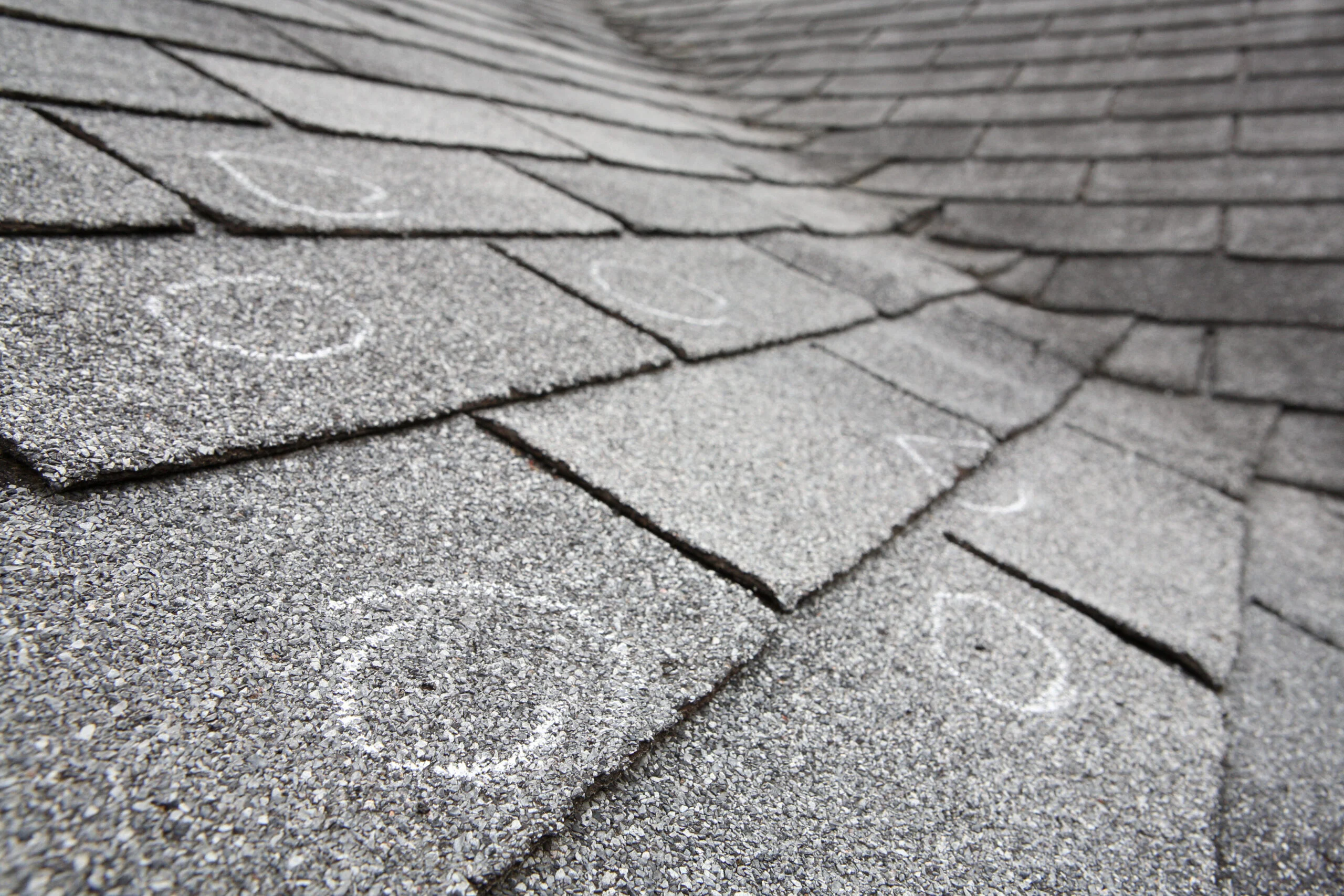
A bad storm can leave a roof looking fine from the ground while hiding damage that will cause serious problems months later. That gap between what’s visible and what’s actually wrong is one of the most frustrating parts of dealing with storm damage, and it’s also one of the main reasons insurance claims for roofing get underpaid or denied.
Homeowners in the Chicagoland area deal with this more than most, given the region’s exposure to hail, high winds, and severe spring and summer storms that can compromise a roof without leaving the kind of obvious damage that’s easy to photograph from the driveway. Here is what every homeowner in this city should understand about storm damage and roofing insurance claims.
1. Document Everything Before You Call Your Insurance Company
The first instinct after a storm is to call the insurance company. The better first step is to document as much as possible before that call happens. Photos and video of visible damage, taken as soon as it’s safe to do so, create a timestamped record that supports your claim and makes it harder for an adjuster to argue that damage occurred before the storm or resulted from general wear and tear.
Document the exterior of the home, the roof from the ground, any damaged gutters, downspouts, siding, or windows, and anything inside the home that may have been affected by water infiltration. Keep records of the storm itself, including news reports, weather service alerts, or local government notifications that confirm a significant weather event occurred on that date. That external confirmation strengthens the timeline of your claim considerably.
2. Get a Professional Roof Inspection Before the Adjuster Arrives
Insurance adjusters are professionals, but they work for the insurance company, not for you. Their assessment of damage will influence how much your claim pays out, and they may not identify every area of damage, particularly the kinds that aren’t immediately visible on a standard walkthrough.
It becomes beneficial to have an independent storm damage inspection done by roofing professionals before or alongside the insurance adjuster’s visit. When searching for contractors who handle storm damage roofing Chicagoland, look for those who conduct detailed inspections that go beyond what’s visible from the ground, including granule loss, bruising on shingles, damaged flashing, and compromised underlayment. Some roofing companies, such as Lakeland Exteriors & Roofing, document damage comprehensively and provide inspection reports that give homeowners a solid basis for pushing back if the adjuster’s assessment comes in lower than the actual scope of damage warrants.
3. Understand What Your Policy Actually Covers
Not all homeowner policies cover storm damage the same way, and the difference between an actual cash value policy and a replacement cost value policy can mean thousands of dollars in out-of-pocket expense. An actual cash value policy pays what your roof is worth today, accounting for depreciation. A replacement cost value policy pays what it actually costs to replace the damaged roof with new materials.
Reading the storm damage section of your homeowners insurance policy before you need it is one of those things most homeowners don’t do but genuinely should. Pay attention to the deductible structure as well, because many policies in hail-prone regions have a separate wind and hail deductible that’s calculated as a percentage of the home’s insured value rather than a flat dollar amount.
That percentage-based deductible can be significantly higher than the standard policy deductible, and discovering it mid-claim is an unpleasant surprise.
4. Watch Out for Storm Chasers
After any significant storm, roofing contractors who specialize in high-volume, post-storm work tend to appear in affected neighborhoods quickly. Some of these contractors do quality work. Others are more focused on volume than on workmanship, and a roof installed poorly after storm damage can fail earlier than expected or fail to meet the manufacturer’s specifications required for warranty coverage.
Post-storm contractor fraud is a known issue in areas prone to severe weather, and homeowners who sign assignment of benefits agreements without fully understanding them can find themselves with limited recourse if the work is substandard. Taking time to verify a contractor’s licensing, insurance, and local reputation before signing anything is worth the extra few days, even when the pressure to get started feels urgent.
5. File Your Claim Within the Policy’s Time Limit
Most homeowner insurance policies include a deadline for filing storm damage claims, and that window varies by policy and by state. Missing the filing deadline is one of the more common reasons legitimate claims get denied, and it’s entirely avoidable. In Chicagoland and all of Illinois, insurers are generally required to acknowledge claims promptly and begin the process within a defined timeframe, but the obligation to file sits with the homeowner.
Homeowners should reach out to their insurer promptly even if the full scope of damage hasn’t been assessed yet. Filing a notice of claim protects your rights under the policy while the inspection and documentation process continues, rather than waiting until everything is documented before making first contact.
Key Takeaway
Storm damage claims go better for homeowners who know the process before they’re in the middle of it. Document early, get an independent inspection, understand your coverage, vet your contractor carefully, and file within the policy’s time limit. Each of those steps on its own matters, but together they represent the difference between a claim that pays out fairly and one that leaves you covering more than you should.
Leave a Reply