
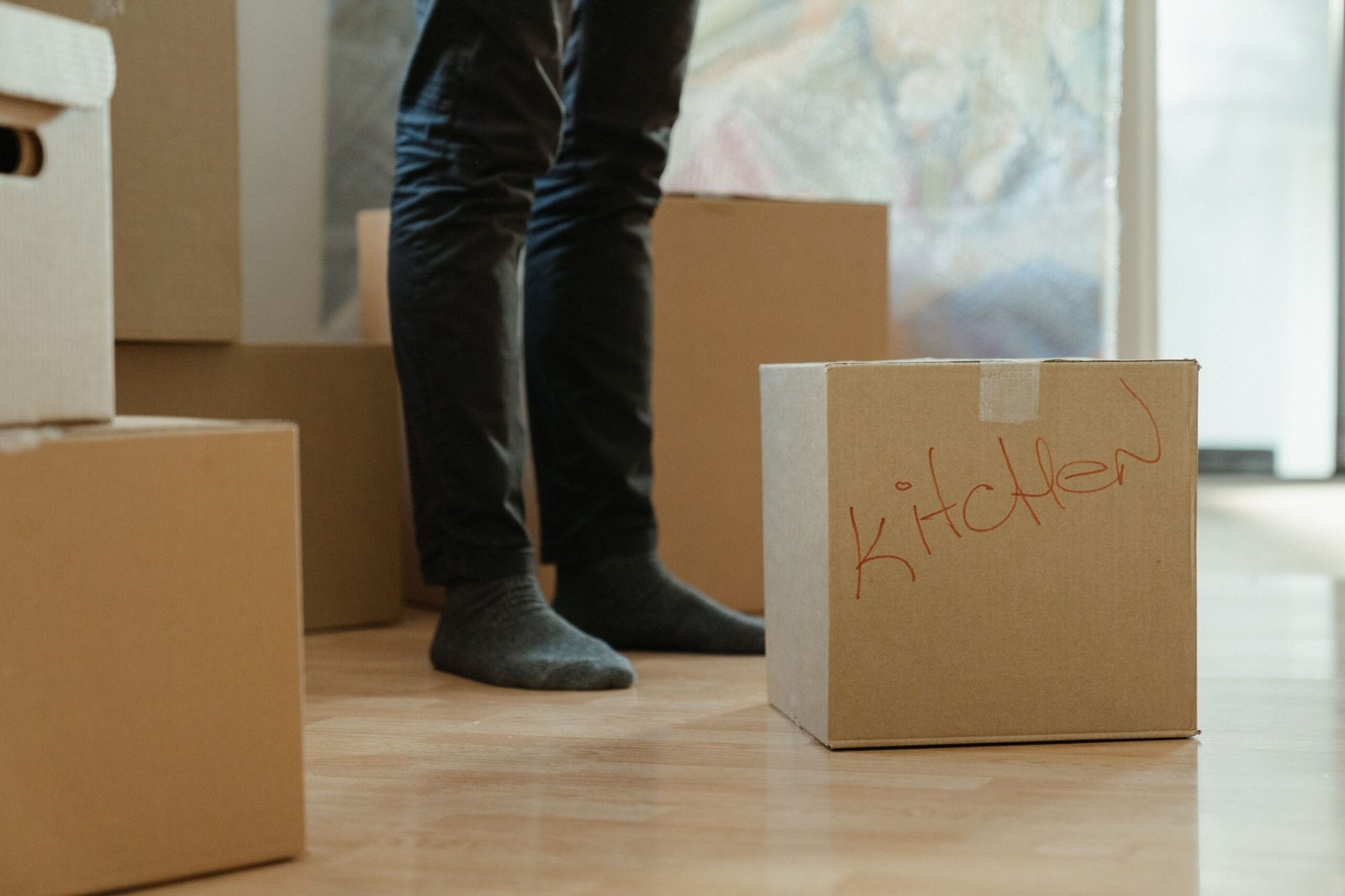
A home can feel overcrowded even when it has plenty of square footage. Kitchen cabinets overflow with rarely used appliances, closets hold clothes that no longer fit, and spare rooms gradually become storage areas. Eventually, the space meant for living starts revolving around managing possessions.
Home minimization offers a practical alternative. It focuses on keeping belongings that support your lifestyle while removing unnecessary clutter and making better use of available space. Unlike extreme minimalism, it does not require empty rooms or giving away everything you enjoy.
The challenge is knowing what to remove, what to keep, and how to organize your home without making decisions you later regret.
Start With the Spaces That Interrupt Your Daily Routine
The easiest place to begin minimizing is not necessarily the messiest room. Instead, identify areas where clutter regularly interferes with everyday activities.
A crowded kitchen counter may make cooking frustrating, while an overflowing entryway can turn leaving the house into a daily search for keys and shoes.
Start by removing items that do not belong in these spaces. Then evaluate which belongings you genuinely use.
During larger decluttering projects, temporary storage can help separate essential household items from furniture and possessions requiring further consideration. For example, portable storage provides a way to move bulky belongings out of active living areas while reorganizing, renovating, or deciding what should remain.
However, temporary storage works best with a clear purpose and deadline. Otherwise, it can become another place where unwanted possessions accumulate.
Recognize the Difference Between Useful and Familiar
People often keep belongings because they have owned them for years, not because those items still serve a purpose.
An old exercise machine might remain untouched in the basement. Expensive dinnerware may occupy an entire cabinet despite rarely being used.
Familiarity can make these possessions feel necessary.
Before keeping something, ask when you last used it, whether it supports your current lifestyle, and how difficult replacing it would actually be.
Avoid making decisions based entirely on the original purchase price. Money already spent cannot be recovered simply by keeping an unused object.
Sentimental belongings deserve a different approach. Family photographs, inherited objects, and meaningful gifts may have emotional value beyond their practical function.
The objective is not to eliminate memories. It is to distinguish genuine attachment from the habit of holding onto things.
Make Furniture Earn the Space It Occupies
Large furniture pieces can dominate a room even when they provide relatively little everyday value.
A formal dining table used only during holidays may occupy space that could support a more practical family activity. Similarly, oversized seating can restrict movement in smaller living rooms.
Evaluate furniture according to function, proportions, and frequency of use.
Multipurpose pieces can be particularly effective. Storage benches provide seating while concealing shoes or blankets, and expandable tables accommodate occasional guests without permanently occupying additional floor space.
However, furniture with built-in storage is not automatically a solution. Extra compartments can encourage people to retain unnecessary belongings.
Measure rooms and walking paths before purchasing replacements.
A well-designed room should provide comfortable circulation, appropriate storage, and enough open space for its intended activities.
Create Storage Systems Around Real Habits
Organization often fails because storage systems look attractive but do not match how household members actually behave.
A complicated filing system may be abandoned when everyone prefers placing documents in one convenient drawer.
Similarly, children are unlikely to maintain toy storage that requires carefully arranging dozens of small containers.
Observe where belongings naturally accumulate before designing a system.
Frequently used items should remain accessible, while occasional supplies can occupy higher shelves or less convenient cabinets.
Clear labels and consistent categories make shared storage easier to maintain.
Avoid purchasing organizers before reducing the number of possessions. Otherwise, you may spend money creating elaborate systems for things you no longer need.
Effective organization should make putting items away almost as easy as taking them out.
Reduce Visual Clutter Without Making Rooms Feel Empty
Visual clutter comes from more than excessive possessions. Busy surfaces, exposed cables, mismatched containers, and crowded decorations can make an otherwise organized room feel unsettled.
Begin by clearing surfaces that serve practical purposes, such as desks, countertops, and bedside tables.
Keep frequently used objects within reach, but give everything else a designated location.
Grouping smaller decorative items can create a more deliberate appearance than spreading them across every available surface.
Consistent storage containers and concealed cable management may also improve visual order.
However, minimizing does not mean removing personality.
Artwork, books, plants, and meaningful objects can make a room feel welcoming.
The aim is to create enough breathing room for favorite possessions to stand out rather than compete for attention.
Stop Clutter Before It Enters Your Home
Decluttering provides temporary relief if purchasing habits remain unchanged.
A household that regularly buys duplicate products, unnecessary decorations, or discounted items will eventually face the same storage problems again.
Introduce a short waiting period before nonessential purchases.
Ask whether the item solves an existing problem, whether something similar is already available, and where it will be stored.
Shopping lists can reduce impulse purchases, particularly for household supplies and seasonal decorations.
Consider borrowing or renting equipment needed only occasionally instead of purchasing it outright.
For certain categories, replacing an existing item before adding another can help maintain reasonable limits.
These habits are not about avoiding spending altogether. They encourage more deliberate decisions about what deserves a permanent place in your home.
Adapt Minimalism to Different Household Needs
A minimalist home occupied by one adult will function differently from a household with children, pets, or multiple generations.
Families need accessible storage for school supplies, toys, medical equipment, and everyday necessities.
Trying to impose identical rules on everyone can create frustration rather than order.
Establish shared expectations for communal areas while allowing reasonable flexibility in personal spaces.
Children can participate by identifying toys they have outgrown and organizing belongings into manageable categories.
Older relatives may need additional time when sorting possessions with sentimental or historical significance.
Accessibility should also influence storage decisions. Essential items must remain easy to reach without unsafe lifting or climbing.
Successful home minimization accommodates the people living there instead of forcing them into an unrealistic aesthetic.
Build a Home That Stays Manageable Over Time
The real test of home minimization comes several months after the initial decluttering project.
Without simple maintenance habits, cleared surfaces and organized cabinets gradually become crowded again.
Schedule short reviews of problem areas rather than waiting for another major cleanout.
Seasonal transitions offer natural opportunities to examine clothing, outdoor equipment, and decorations.
When a storage area becomes full, review its contents before buying another cabinet or container.
Pay attention to changes in household routines. A home office, nursery, or hobby space may require different arrangements as family needs evolve.
Avoid treating minimalism as a competition to own the fewest possessions.
A successful home is one where belongings are easy to find, rooms support their intended purposes, and daily maintenance feels manageable.
Owning less can create more usable space, but the greater benefit comes from making your home easier to live in. Thoughtful decisions about possessions, furniture, and storage can turn an overcrowded house into a practical environment that reflects how you actually spend your time.
Leave a Reply