
Most HVAC problems do not start with a dramatic breakdown. They begin with small issues that quietly stack up over months. The simplest prevention is routine maintenance for your home’s HVAC system.
The Seasonal Habit That Makes The Biggest Difference
The one habit that pays off every season is a quick “change-and-check” visit to your system. You replace the air filter and do a short inspection of key items around the equipment. It takes little time, but it prevents many common comfort and efficiency problems.
This habit works because it targets what changes season to season. Dust levels, humidity, and runtime all shift throughout the year. A simple reset in spring and fall helps your system adapt.
Why Small Issues Turn Into Big Repairs
HVAC systems are designed to transport air through their coils and heat exchangers. The equipment experiences temperature fluctuations that exceed normal levels when its filters become clogged, reducing airflow. The additional pressure from system operation pushes the motors, capacitors, and controls to their limits.
Dirt creates an insulation effect that develops in inappropriate areas inside a building. The system operates for a longer time because a dusty indoor coil reduces its heat absorption capacity. The system requires extended operation because it consumes more energy and generates additional equipment damage.
The system experiences ongoing operational issues due to both loose connections and minor drainage issues. A partially blocked condensate line results in water backups that cause system shutdowns. The process of identifying the problem becomes much simpler because the initial signs appear before the permanent ceiling stain shows itself.
What To Do Each Spring And Fall
The filter serves as the primary control for all airflow entering the system. The filter must be removed from the system after turning it off, and the user must check its dimensions, which appear on the frame. The new filter requires installation with its airflow arrow directed toward the blower.
Next, do a quick walk-around check of the indoor unit area. Look for water around the base, unusual rust, or a musty smell near the cabinet. Listen for new rattles or buzzing when the system turns on.
Then check supply vents and returns in the living space. Make sure vents are open and not blocked by rugs, furniture, or curtains. If one room is always uncomfortable, take note so you can address balancing later.
A Simple Outdoor Unit Check For Cooling Season
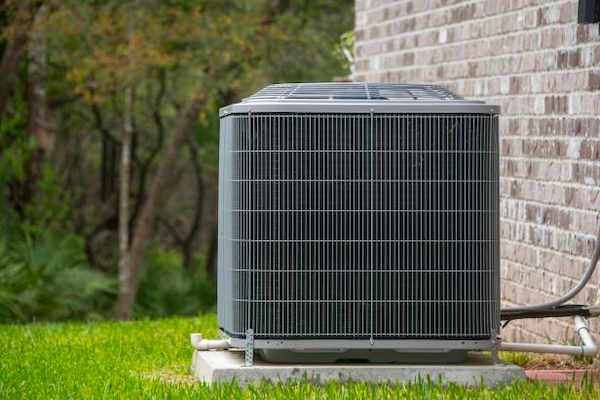
Before heavy cooling begins, inspect the outdoor condenser. Clear leaves, grass clippings, and debris from the unit and the space around it. Give it at least a couple of feet of breathing room on all sides.
Look at the fins and the top grille for visible blockage. If the coil looks packed with cottonwood or dirt, gentle cleaning can help. Avoid bending fins, and never spray high-pressure directly into the coil.
Also, pay attention to the unit’s pad and level. A tilted condenser can contribute to vibration and noise. If you see damaged wiring or ice buildup, stop and call a professional.
Don’t Forget The Thermostat And Batteries
A thermostat that misreads temperature can make the whole system feel unreliable. The thermostat requires replacement batteries; you must change them and check both the date and schedule settings. The system will experience continuous cycling or extended operation due to minor setting errors.
The seasonal switch functions as a reminder to execute mode testing. The spring season requires you to check that cooling begins properly and maintains a constant cool temperature after several minutes. The fall season requires you to check that heating begins without any strange odors that will persist for multiple days.
Homeowners should check their smart thermostat alerts and usage history. Many devices display operational patterns that indicate potential technical difficulties. A sudden increase in daily operational time indicates airflow problems and reduced system capacity.
When This Habit Should Expand Into A Professional Tune-Up
Homeowners should use the homeowner check, but it should not replace complete service maintenance. Technicians can assess refrigerant function while evaluating electrical systems and checking safe combustion operation in relevant situations. The inspections will help you discover invisible hazards that exist beyond your view.
You should schedule an appointment when you observe weak airflow, frequent system shutdowns, and temperature swings in your space. People should treat strange sounds, burning odors, and water accumulation near the unit as major indicators. The initial stages of problems are usually cheaper to fix.
Homeowners should schedule their appointments in the spring and fall, as this time of year works best for their houses. The process handles peak demand periods while identifying issues that may arise under extreme temperature conditions. Many companies label this plan as residential hvac maintenance, but the goal is always the same.
Conclusion
A filter change plus a short seasonal check is the easiest way to prevent surprise breakdowns. It supports cleaner airflow, steadier comfort, and fewer expensive repairs. If you want long-term reliability, commit to routine maintenance for your home’s HVAC system.
Leave a Reply