
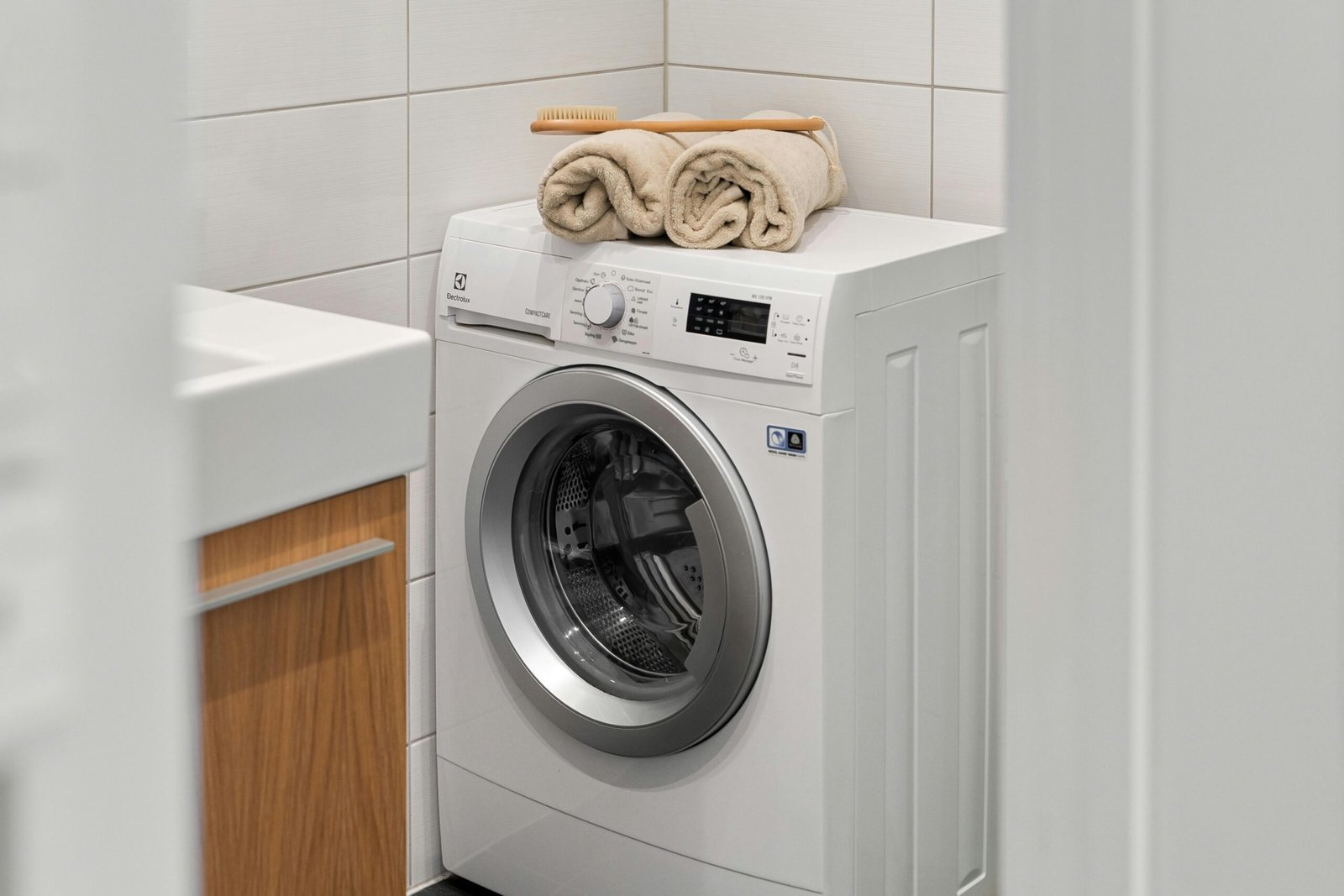
A small wet spot near an appliance is easy to brush off, especially when the machine still works and the floor dries by morning. That is how many household water problems get worse. Appliances often give quiet warnings before they cause visible damage. A loose washer hose, a cracked dishwasher seal, or a slow refrigerator line drip can send water into places you rarely check, such as under flooring, inside cabinets, or behind baseboards. By the time you notice a stain or musty smell, the problem may have already spread. This guide explains the appliance warning signs homeowners should take seriously, so you can act early and avoid larger repairs.
A Higher Water Bill Can Be a Clue
A water bill that rises without a clear reason can point to a hidden leak connected to an appliance. The issue may come from a refrigerator water line, washing machine hose, water heater connection, or another fixture tied into the same supply. Compare your usage with normal household habits. If nothing has changed, inspect the appliances that use water every day. Listen for faint running, dripping, or hissing sounds when the house is quiet. Check floors and walls near the appliance, even if the area looks dry at first glance. This is also where appliance leak water damage can begin quietly, especially when a small supply line drip continues for days or weeks.
Small Puddles Deserve Attention
A puddle near an appliance should never be treated as normal, even if it looks minor. Start by checking whether the water came from a spill, a loose connection, or the appliance itself. Look behind the machine, around supply lines, and along the floor edges nearby. Dishwashers, washing machines, refrigerators with ice makers, and water heaters can all release water slowly before a major failure happens. Wipe the area dry, then check again later. If moisture returns, you have an active issue. The bigger concern is the water you cannot see. It may already be running under flooring, soaking trim, or reaching nearby cabinets. Quick action can keep a simple repair from turning into a larger cleanup.
Musty Smells Mean Moisture Is Hiding
A musty smell near an appliance usually means moisture has been sitting somewhere long enough to affect nearby materials. You may notice it under the kitchen sink, beside the washing machine, around the dishwasher, or in a basement utility area. Do not cover the odor with an air freshener and move on. Open cabinets, pull out removable kick plates, and check corners where air does not move well. Damp wood, wet drywall, and trapped lint around laundry machines can all hold odor. If the smell grows stronger when the appliance runs, pay closer attention. That can point to drainage trouble, a slow leak, or moisture trapped behind the unit.
Flooring Changes Tell a Story
Floors often reveal appliance problems before the appliance itself looks damaged. Watch for cupping wood, lifting laminate, loose vinyl, soft spots, or grout that suddenly cracks near a dishwasher, refrigerator, washing machine, or water heater. These signs usually mean moisture has reached below the surface. Press gently around the area and compare it with a dry section of the room. A soft or uneven spot deserves a closer look. Avoid running fans across the floor and assuming the problem is solved. Surface drying does not always reach the subfloor. If the floor keeps changing shape or feels different underfoot, you may need a moisture inspection before repairs begin.
Stains Around Cabinets Need Checking
Water stains on cabinet sides, toe kicks, baseboards, or nearby walls often point to a leak that has traveled farther than expected. Dishwasher leaks, refrigerator line drips, and sink-connected appliance issues can send water into cabinet boxes before it reaches the open floor. Look for dark marks, peeling finish, swollen wood, or a rough texture along lower cabinet edges. Open the doors and check the back corners with a flashlight. If stored items feel damp or smell musty, remove them and inspect the surface underneath. Stains should never be painted over until the leak source is fixed. Covering the mark only hides useful evidence and may allow the damage to continue.
Rust and Mineral Buildup Are Early Warnings
Take a close look at the water connections behind appliances every few months. Rust, green discoloration, white mineral deposits, and corrosion around fittings often signal a slow leak. These signs develop when small amounts of moisture repeatedly collect around metal parts. Homeowners often focus on the appliance itself and overlook the supply lines that keep it running. Washing machine hoses, refrigerator water lines, water heater connections, and dishwasher fittings deserve regular attention. Run your hand around the area if it is safe to do so and look for dampness. If you spot corrosion, do not assume the problem is old and inactive. Corrosion tends to worsen over time and may indicate that a connection is weakening and needs replacement.
Strange Sounds During Normal Operation
Appliances make noise, but changes in those sounds can reveal developing problems. A dishwasher that suddenly gurgles, a refrigerator that starts dripping internally, or a washing machine that makes unusual splashing sounds may be dealing with a water-related issue. Listen for noises that seem new or happen more frequently than before. Drainage problems often create gurgling sounds because water is struggling to move through the system. A hissing noise near a supply line may point to a small leak under pressure. Pay attention to where the sound comes from and whether it appears during specific cycles. Investigating unusual noises early can help you find a problem before water reaches surrounding materials.
When Appliances Stop Working Properly
Performance issues sometimes point to water problems that are easy to miss. A dishwasher that leaves water behind after a cycle may have a drainage issue. A refrigerator ice maker that suddenly struggles to produce ice could have a damaged water line. Washing machines that overflow, drain slowly, or display repeated error messages may also indicate water flow problems. Homeowners often treat these issues as simple mechanical failures and miss the moisture risks attached to them. Check the surrounding area whenever an appliance starts acting differently. Look for signs of leaking, dampness, or water accumulation. Solving the cause early may prevent both appliance damage and costly repairs to your home.
Most appliance-related water damage begins quietly. A damp floor, a musty smell, a small stain, or a strange sound may seem minor at first, but these warning signs often point to moisture where it should not be. Taking a few minutes to inspect appliances and the areas around them can help you catch problems before they spread into flooring, cabinets, walls, or other parts of the home. The goal is not to look for major damage. The goal is to notice the small clues that appear first. When something seems unusual, investigate it promptly. Early action is often the simplest and most affordable way to protect your home from unnecessary water damage.
Leave a Reply