
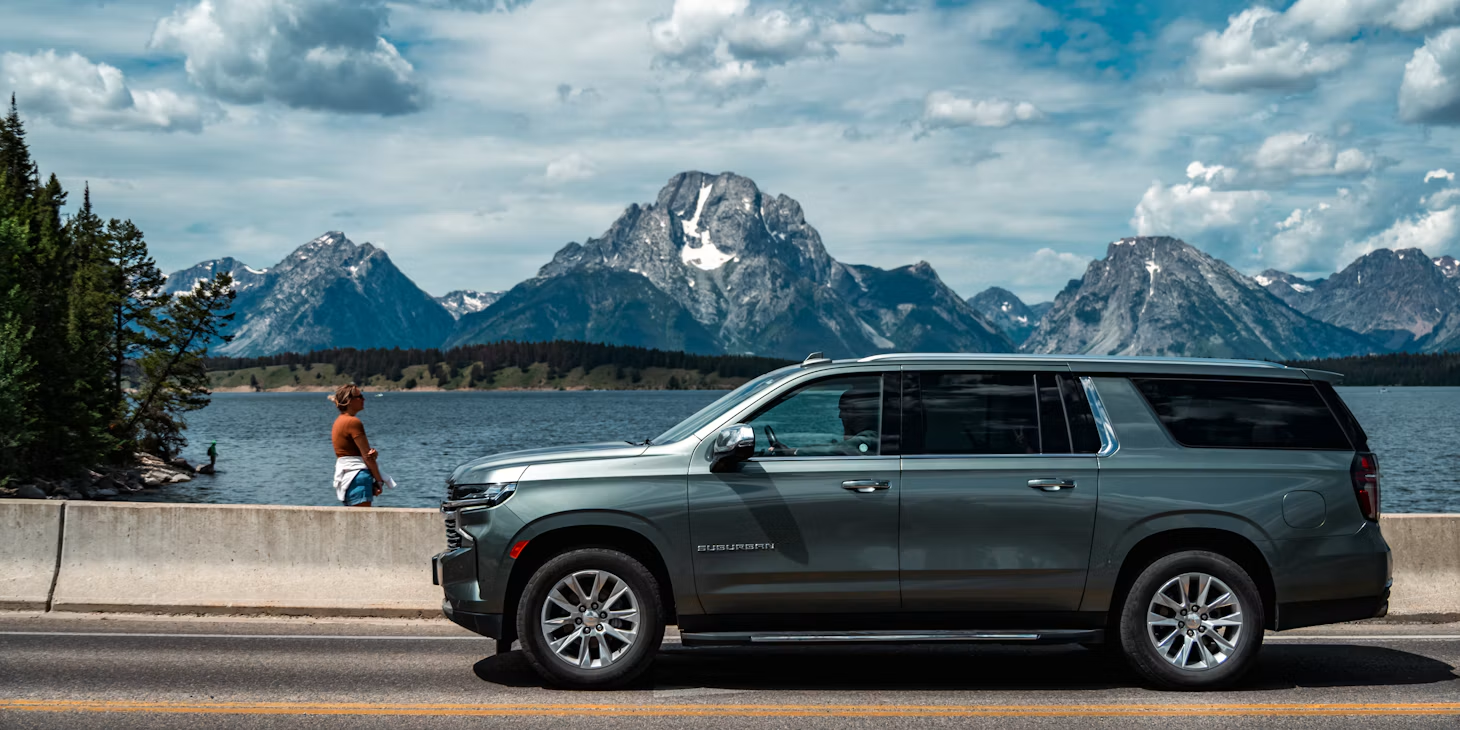
Image Credit: Unsplash
Family trips feel far more enjoyable when everyone has enough room, knows what to expect and can find what they need. Stress often starts before you leave home, then grows through rushed departures, crowded seats and repeated searches for missing items. A calmer travel routine helps adults stay patient and gives kids the security of a predictable plan. It also leaves more energy for the conversations, shared discoveries and funny moments that make a family trip memorable.
The Mental Weight of Cluttered Travel
A crowded vehicle or overstuffed suitcase creates more than a physical inconvenience. Every loose snack wrapper, tangled charging cable and buried sweatshirt becomes another small problem demanding attention. That mental load can shorten tempers, especially when the family is already dealing with traffic or a schedule change.
Common travel stress challenges can include disrupted routines, financial concerns and unfamiliar surroundings. Reduce that pressure by deciding where essential items belong before departure. Keep medications, identification and reservation details in one adult-controlled bag. Give each child a small personal tote for entertainment and comfort items. When belongings have assigned places, fewer questions fall on the person who usually manages everything.
Creating Space for Calmer Journeys
Start by matching your transportation setup to the length and needs of the trip. A two-hour drive with one child requires less room than a weeklong vacation with several passengers, sports equipment and a stroller. If family travel regularly feels cramped, it may be time to compare seating layouts, passenger access and storage capacity. Families considering a future vehicle can review details about a 2027 Ford Explorer for sale as part of that research.
Whatever you drive, keep the passenger area open. Place luggage in the cargo space and use a small seat organizer for water bottles, tissues and charging cords. Leave one easy-to-reach spot for a change of clothes. That simple choice can prevent a full luggage unload after a spill or sudden weather change.
Mindful Packing Habits That Save Time
Pack from a written list and group items by purpose. One packing cube might hold sleepwear, while another contains swim clothes. Toiletries can go into a washable pouch that moves directly from the suitcase to the bathroom. These categories help family members find things without pulling apart every bag.
A practical list might include:
- One complete outfit per day plus one spare
- A refillable water bottle for each traveler
- A small first-aid kit and required medications
- Chargers stored together in a labeled pouch
- A laundry bag for worn clothing
Finish packing the night before and place departure-day items near the door. Advice on handling travel stress also highlights preparation, rest and realistic expectations. Build extra time into departure plans so a misplaced shoe doesn’t turn into a family argument.
Simple Games That Build Connection
Travel games give everyone a shared focus and help long stretches pass more pleasantly. Keep the rules simple enough that younger children can participate without constant coaching. Try spotting one object for every letter of the alphabet, creating a group story one sentence at a time or guessing an animal from three clues.
Older children may enjoy choosing songs for a family playlist or taking turns asking lighthearted questions. Prompts such as “What meal would you eat for a week?” often lead to conversations that wouldn’t happen during a normal afternoon at home.
Allow quiet time too. After 20 minutes of group play, children may want music, a book or a nap. Switching between interaction and rest helps prevent overstimulation and gives adults a welcome break from leading activities.
The best family travel memories often begin once everyone settles into the same rhythm. A designated place for bags, a realistic departure time and one favorite road game can turn the drive itself into part of the fun. When the inevitable dropped snack or missed turn happens, there’s enough breathing room to handle it with patience and keep going together.
Leave a Reply