
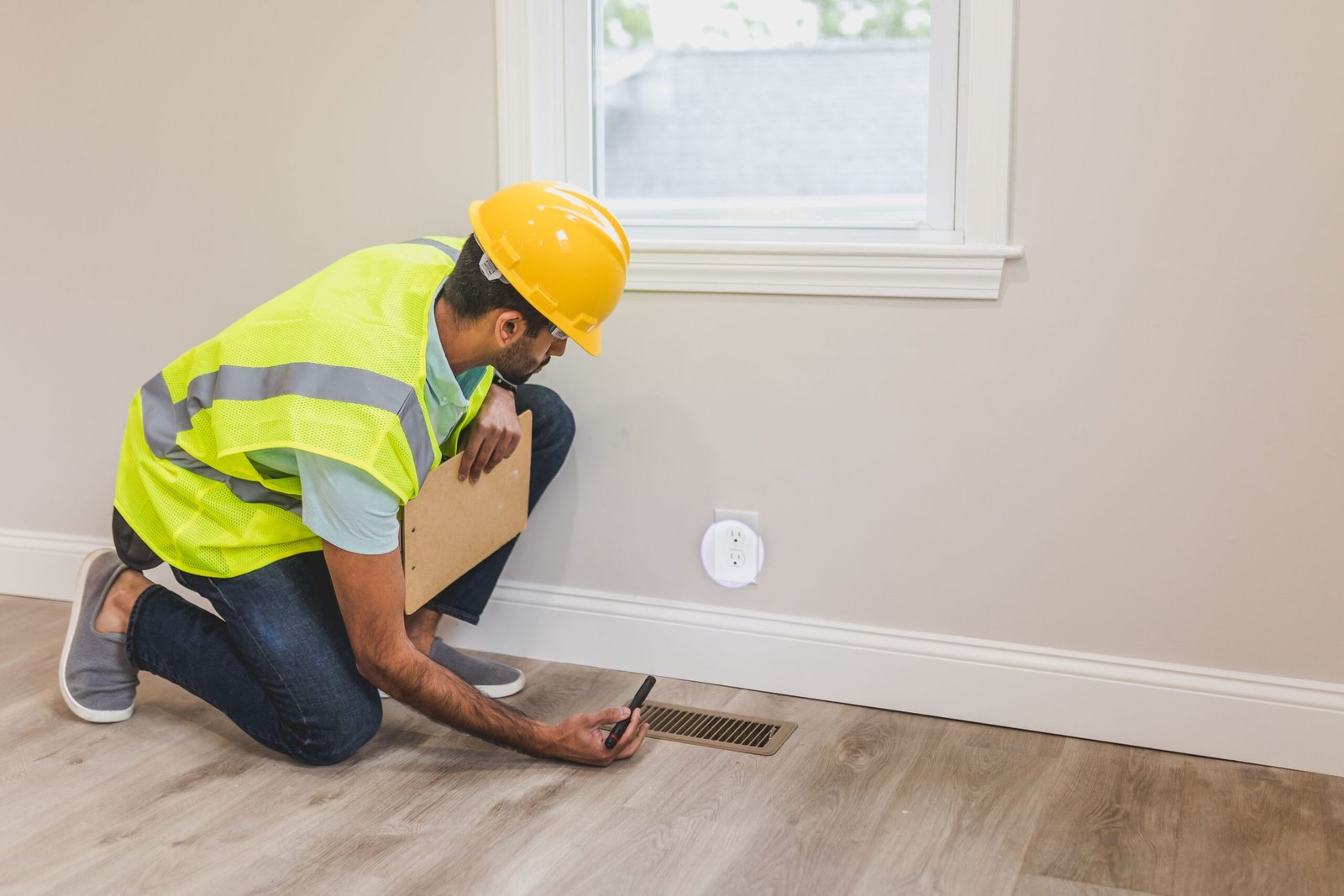
Every home comfort system starts out strong. In the first few seasons, it heats quickly, cools evenly, and runs for reasonable stretches before shutting off. Then, somewhere along the way, things change. Rooms take longer to reach the temperature on the display, the equipment seems to run almost constantly, and the monthly bill creeps upward without any change in how the household lives.
That decline is normal in the sense that it happens to almost everyone, but it is not something you simply have to accept.
Efficiency is lost for specific, identifiable reasons, and most of them build up quietly over years rather than appearing overnight. Understanding what those reasons are makes it far easier to slow the process down and get more good years out of equipment you already own.
Why Efficiency Fades Even in a Well-Built Home
Most homeowners only start paying attention to comfort equipment once the bills climb or a room stops feeling right. Heating and cooling equipment loses ground slowly, and the trouble is that the decline is rarely obvious until the system is already struggling to keep up.
Trained local help is usually the fastest way to find out what has changed and what it will take to put it right. Look up heating and cooling near me for more information.
The Slow Wear That Comes With Age
Mechanical parts do not last forever. Motors, fans, bearings, and compressors all experience friction every time they run, and after thousands of hours that friction adds up. A motor that once spun freely begins to draw more electricity to do the same work. Moving parts that once fit tightly develop small amounts of play, and energy that should go into moving air or transferring heat gets lost as noise and vibration instead.
None of this happens in a single dramatic moment. The equipment keeps working, so nothing appears to be wrong. What changes is the amount of fuel or electricity needed to produce the same result, and that is the quiet cost of age.
Restricted Airflow and Its Quiet Effect
Air has to move freely for any comfort system to do its job. When it cannot, everything downstream suffers. Filters collect dust and pet hair until they act more like a barrier than a screen. Indoor coils pick up a film of grime that slows the transfer of heat. Outdoor units gather leaves, grass clippings, and dirt around the fins where air is supposed to pass through.
Blocked vents inside the house cause the same problem in a different place. Furniture pushed against a supply register, a rug covering a floor vent, or closed doors in unused rooms all change the way air circulates.
Leaks and Losses Inside the Ductwork
The path air travels between the equipment and the rooms matters as much as the equipment itself. Ducts are assembled from many sections, and over the years joints separate slightly, tape loses its grip, and small gaps open at connections. Warm or cool air escapes into attics, crawl spaces, and wall cavities where nobody benefits from it.
Uninsulated ducts running through an unconditioned attic lose energy even when they are perfectly sealed, because the air inside them gives up heat to the space around them on the way to the rooms.
Thermostat Settings and Control Problems
Controls tell the equipment when to start, how long to run, and when to stop. When a thermostat reads the room incorrectly, every one of those decisions is based on bad information. A unit mounted on a wall that catches afternoon sun, or placed near a lamp, a kitchen, or a drafty doorway, will report a temperature that does not match the rest of the house.
Aging sensors drift over time as well, reporting readings that are off by a few degrees. Short cycling often follows, where the system turns on and off repeatedly without completing a full run.
A Home That Loses Heat and Cool Air
Sometimes the equipment is fine, and the building is the problem. Insulation settles and thins in attic spaces. Weatherstripping around doors cracks and flattens. Caulk around window frames shrinks and pulls away. Gaps open where pipes and wires pass through exterior walls.
Each of these openings is small on its own, yet together they let conditioned air drain steadily out of the house while outside air works its way in. The system has to replace that loss continuously, which means longer run times for the same level of comfort.
Neglected Upkeep and Small Faults Left Alone
Regular attention keeps a system close to its original performance for far longer than most people expect. Filters replaced on schedule, coils cleaned before the season starts, drains kept clear, and electrical connections checked for tightness all prevent small issues from growing into expensive ones.
The opposite is also true. A refrigerant leak that goes unnoticed forces the equipment to run continuously without reaching the target temperature. A worn belt or a failing capacitor puts extra strain on the motor it serves. A clogged condensate drain can cause water damage and shutdowns.
Signs Your System Is Working Harder Than It Should
Equipment usually gives warning long before it fails outright. Bills that rise season after season without a change in habits are one of the clearest signals. Rooms that never quite match the setting on the thermostat, especially ones farthest from the equipment, point to delivery problems. New sounds such as rattling, grinding, or squealing suggest that something mechanical has shifted.
Longer run times, frequent restarts, and unusual smells when the system starts up all belong on the same list. Air that feels heavy or damp indoors during warm months suggests the equipment is not running long enough to manage moisture.
Protecting Efficiency for the Years Ahead
No system stays exactly as efficient as it was the day it was installed, but the rate of decline is largely within your control. Keeping filters fresh, clearing space around outdoor equipment, sealing obvious gaps in the building, and scheduling seasonal checkups will hold performance steady for far longer than leaving everything alone.
It also helps to think about the house and the equipment together rather than separately. Improving insulation, sealing ducts, and fixing drafts reduce the workload, which lets the system run shorter cycles and last longer.
Leave a Reply