
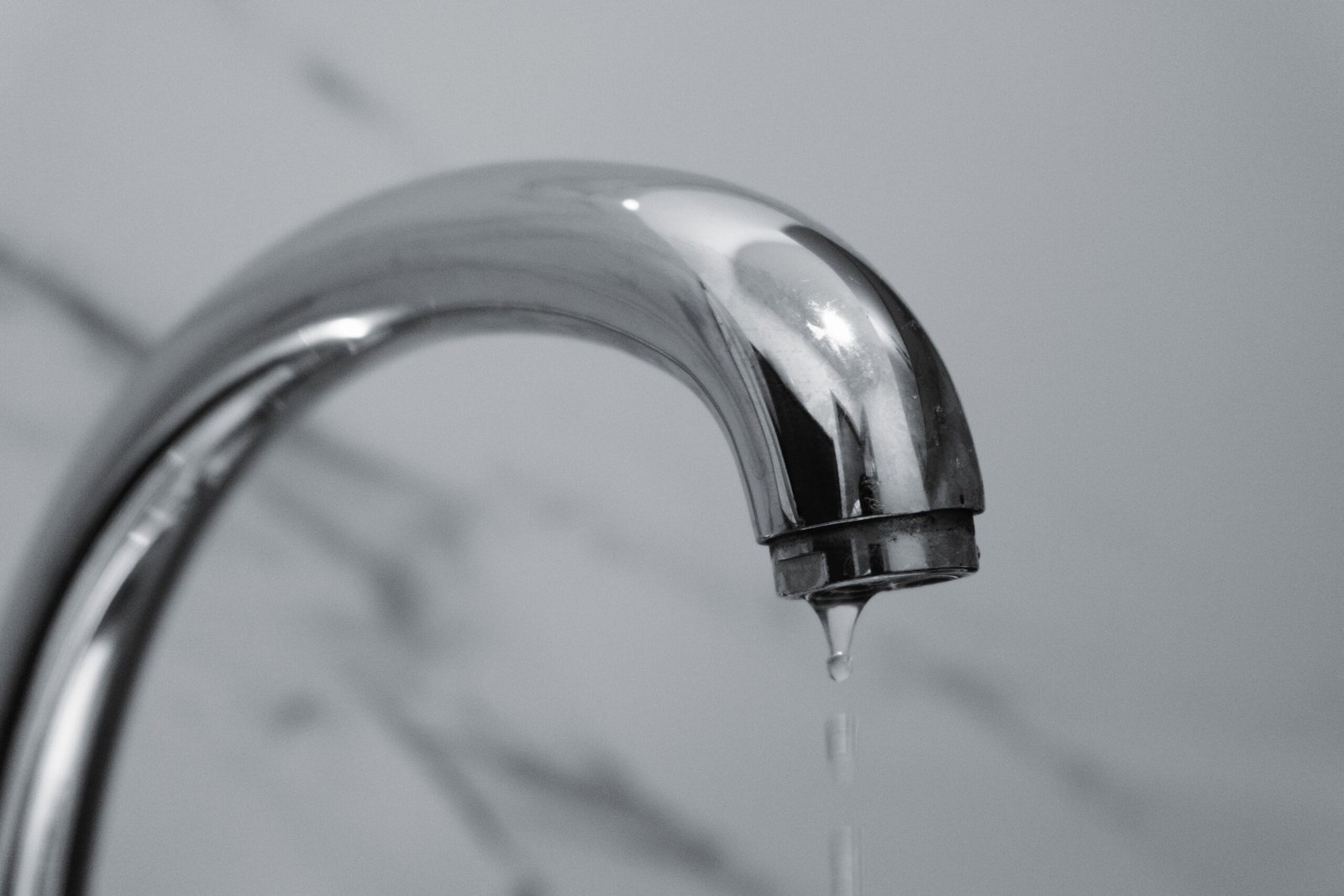
Every home has the occasional plumbing hiccup. A slow drain, a dripping faucet, a toilet that needs a second flush. Most of the time these are minor, and a short visit from a plumber or an hour of effort on a weekend puts things right again. Problems like these are part of owning a house, and nobody thinks twice about them.
Trouble starts when the same complaints keep coming back. A repair holds for a few weeks, then the symptom returns, sometimes in a different room. At that stage, the issue is no longer the faucet or the drain in front of you. Something in the wider plumbing system has changed, and the small fixes are only treating what you can see. Knowing how to read that shift is what separates a homeowner who spends money twice from one who solves the problem once.
When Small Fixes Stop Holding
A house can go through a long run of minor plumbing faults before anyone starts asking why they keep returning. The answer is often the water line that carries clean water into the property, which cracks, corrodes, or gets pushed out of shape by roots and then sends weak pressure, discolored water, and damp ground back into daily life no matter what gets replaced indoors. Buried damage of that kind has to be located and either repaired at the failed section or replaced along its full length, which is skilled underground work and not something a homeowner can reach. The sensible move at that stage is to hire a company that offers proper water line services and have the source of the problem fixed instead of the symptoms.
The Difference Between a One-Off Problem and a Pattern
A single plumbing fault usually has a clear cause and a clear end. Something wore out, it was replaced, and the house went back to normal. You can point to the part that failed and explain why it failed.
A pattern behaves differently. The same complaint returns on its own schedule, or several unrelated fixtures start acting up within the same few months. When trouble spreads across rooms that share nothing except the plumbing behind the walls, the fixtures are not the problem. They are simply the places where a deeper fault becomes visible.
Signs Your Home Is Telling You Something Bigger
Homeowners often sense that something has changed before they can describe it. Water that takes longer to run clear in the morning. A shower that feels weaker than it did last year. Sounds in the walls when nobody is using water. Damp patches that dry out and return.
None of these on its own proves anything. Taken together, over a season or two, they point to a system under strain rather than a single worn part. Writing down when these things happen is more useful than most people expect, because a plumber can work far more quickly from a clear history than from a vague description.
Why Older Homes Run Into Trouble More Often
Age affects plumbing the way it affects everything else in a building. Materials that were standard decades ago do not hold up as well as what is used today, and years of steady use leave joints, seals, and fittings weaker than they once were. Soil movement, tree growth, and general settling all add pressure over time.
This does not mean an older home is a problem waiting to happen. It means the odds shift. In a newer house, a repeat fault is usually one failed component. In an older one, the same repeat fault is more likely to be a sign that a larger part of the system has reached the end of its working life.
What Waiting Usually Costs
Delay rarely keeps a plumbing problem the same size. Moisture that escapes where it should not spreads into materials that were never meant to get wet. Wood softens, plaster stains, and the repair bill grows to include work that has nothing to do with plumbing.
There is also the disruption to consider. A problem handled at a time of your choosing means one scheduled visit. The same problem left alone tends to announce itself at the worst possible moment, often on a weekend or during a holiday, when the options are fewer, and the response has to be immediate.
Knowing When to Hand the Problem Over
The right moment to call for help is earlier than most people choose. If a problem has come back twice, if it is affecting more than one part of the house, or if you cannot explain what caused it, the situation has already moved past what a simple repair can settle.
Handing it over is not an admission of defeat. It is the practical way to stop paying for the same problem over and over and to get your house back to the state where plumbing is something you never have to think about.
Leave a Reply