
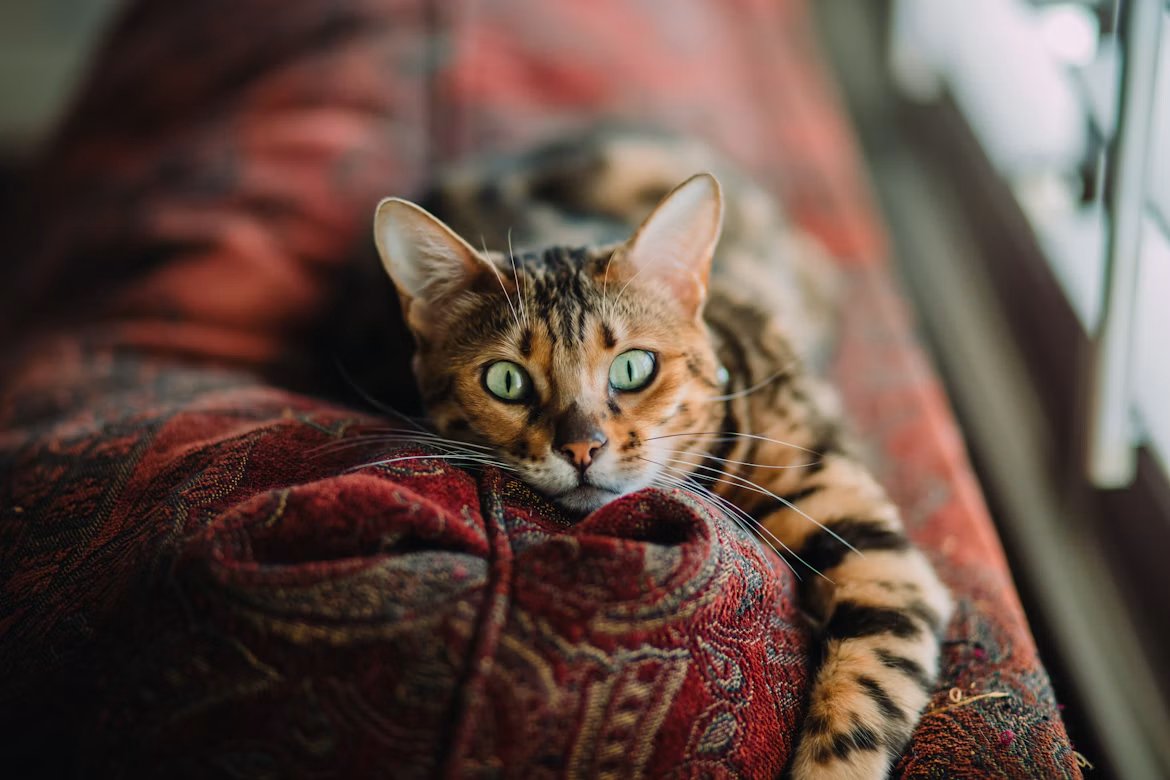
Image Credit: Unsplash
A cat’s sudden swat or sharp hiss usually follows several quieter signals that were easy to miss. Cats communicate discomfort through posture, movement and changes in routine long before a household spat erupts.
Learning those signals can help you respond calmly, protect everyone involved and give your cat the space needed to settle down. It can also reveal patterns, such as tension during petting or conflict near a favorite resting spot, that make future incidents easier to prevent.
Subtle Shifts in Feline Mood
Watch your cat’s whole body during everyday interactions. A rapidly flicking tail, flattened ears, rippling skin and wide pupils may signal rising tension. Some cats suddenly turn their head toward the hand petting them. Others crouch, freeze or leave the room. These signs of overstimulation can appear within seconds, particularly around sensitive areas such as the stomach and lower back.
Notice changes outside direct contact too. A cat that hides more often, avoids another pet or stops using a familiar perch may be experiencing stress or discomfort. Keep brief notes about what happened immediately before each reaction. A pattern may emerge after several days, helping you identify the earliest signal and stop the interaction before tempers flare.
Everyday Triggers That Cause Overstimulation
Petting is a common trigger because some cats enjoy contact only in short bursts. A cat may happily accept three or four strokes, then feel overwhelmed when the touching continues. Loud appliances, excited children, unfamiliar visitors and sudden movement can also raise a cat’s stress level.
Shared resources create another source of friction in multi-cat homes. Tension may develop when cats must pass each other in a narrow hallway or compete for one food station, litter box or window seat. The causes of feline overstimulation can vary between individual cats, so pay attention to timing and context. Pain can also lower tolerance. Contact your veterinarian if irritability appears suddenly or comes with appetite changes, limping, excessive grooming or altered litter box habits.
Practical Ways to Diffuse Household Spats
Stop the interaction as soon as you notice warning signals. Lower nearby noise, ask family members to step back and let the cat choose where to go. Don’t pick up an agitated cat or place your hands between two tense pets. Use distance and a visual barrier, such as a closed door, to give everyone time to settle.
Allow at least 20 to 30 minutes of quiet before checking on the cat, since arousal may last after the obvious conflict ends. If confrontations keep happening, separate the cats temporarily and reintroduce them gradually through scent swapping, meals on opposite sides of a door and brief supervised meetings. Veterinary behavior guidance on how to stop cats from being aggressive can help you understand fear, stress and other possible causes. Seek professional support promptly when incidents cause injury or become more frequent.
Creating Safe Zones for Solitary Rest
Give each cat several places where no person or pet will follow. A safe zone might be a tall cat tree, a covered bed in a quiet room or a shelf that offers a clear view of the surroundings. Place water, scratching surfaces and comfortable bedding nearby, but keep food away from litter boxes.
Multi-cat households need resources spread across different areas, so one cat can’t block access. A common guideline is one litter box per cat plus one extra. Separate resting spots and feeding stations also reduce unwanted encounters.
Once your cat enters a designated retreat, let that space remain undisturbed. Children can learn that a cat in its bed or on its special shelf needs privacy. When a cat knows escape is always available, tense moments are less likely to turn into confrontations. That dependable quiet corner may become one of the simplest and most effective features in your home.
Leave a Reply