
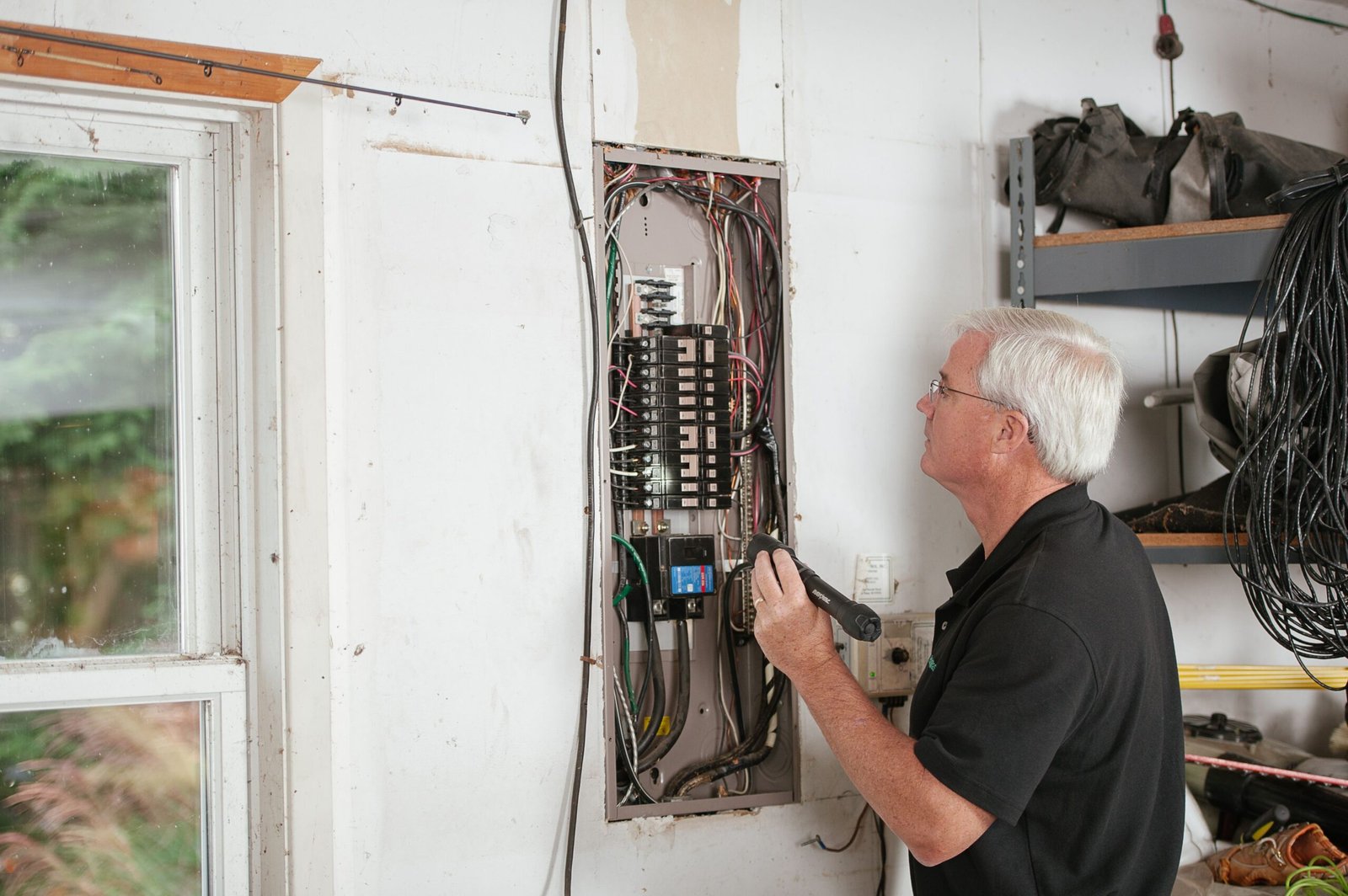
Your home’s electrical wiring is mostly hidden behind walls, ceilings, and floors, which makes problems easy to overlook. A flickering light or warm outlet may seem minor, but repeated symptoms can point to loose connections, overloaded circuits, damaged insulation, or aging equipment. Recognizing those warnings early gives you a chance to address problems before they cause equipment damage, costly repairs, electric shock, or fire. Knowing what to watch for—and when to stop using an area and call a qualified electrician—can make your home safer and more reliable.
Flickering Lights May Signal a Wider Problem
A single flickering bulb may simply be loose or nearing the end of its life. However, lights that dim whenever an air conditioner, microwave, or other large appliance starts deserve closer attention. The pattern matters: repeated flickering across several rooms may indicate a loose connection, an overloaded circuit, or another issue that needs professional diagnosis.
Do not assume that replacing bulbs will solve a problem that keeps returning. Make a note of which lights are affected, when the flickering happens, and which appliances are running. That information can help an electrician narrow down the cause without you having to investigate wiring yourself.
Older Homes May Need a Broader Electrical Assessment
A home can continue functioning for years while its electrical system becomes less suitable for modern use. Older wiring, worn connections, outdated panels, and a shortage of circuits may become more noticeable as households add air conditioners, kitchen appliances, computers, chargers, and other equipment.
Age alone does not prove that a house needs complete rewiring. The condition and type of wiring, previous alterations, signs of damage, and the home’s electrical demand all matter. If the property has not been inspected in many years, or if several warning signs appear together, ask an electrician to assess the whole system rather than focusing on one outlet.
In some cases, electrical rewiring may be recommended to replace deteriorated conductors, correct unsafe alterations, and provide circuits suited to the home’s needs. The scope should follow a proper inspection, not an assumption based only on the building’s age.
Frequently Tripping Breakers Are a Warning
Circuit breakers are safety devices. They interrupt power when a circuit draws too much current or when certain electrical faults occur. An occasional trip after several high-demand appliances are used together may indicate that the circuit is overloaded. Repeated trips during ordinary use, however, should not be treated as a routine inconvenience.
The cause could be an overloaded circuit, a short circuit, a ground fault, damaged wiring, or a faulty breaker. Avoid repeatedly resetting the breaker without understanding why it trips. Reduce the load by unplugging nonessential devices, and arrange an inspection if the problem continues. Never replace a breaker with one rated for more current to stop it from tripping.
Heat, Buzzing, and Burning Odors Need Urgent Attention
Outlets, plugs, cords, and switch plates should not become noticeably hot during normal use. Discoloration, scorch marks, crackling, sizzling, or buzzing can indicate overheating or an electrical connection problem. A burning or hot-plastic smell near an outlet or switch is especially concerning.
Stop using the affected outlet or equipment. Do not touch exposed wires, remove the cover plate, or open the electrical panel to investigate. If you see smoke, flames, or active sparking, get everyone away from the danger and contact emergency services. Do not put yourself at risk trying to reach a breaker. If there is no immediate emergency, arrange prompt assessment by a qualified electrician.
Renovations Can Reveal Hidden Wiring Problems
Opening walls during a renovation can expose issues that were concealed by finished surfaces. An electrician may find loose or poorly made connections, damaged insulation, unsuitable cable, missing junction-box covers, or additions that were made without checking circuit capacity.
Adding outlets, lights, ceiling fans, or major appliances can also change the demands placed on an existing system. Plan electrical work before walls are closed and finishes are installed. Have a qualified professional check the wiring, grounding, protective devices, and panel capacity. A neat-looking wall is no guarantee that the connections behind it are safe.
Know What You Can Check—and What You Should Leave Alone
You can observe symptoms without handling live electrical components. Note which breakers trip, whether lights dim when appliances start, and whether a plug or outlet shows visible discoloration. Look for damaged cords, loose-fitting plugs, or a heavy reliance on extension cords and power strips. These observations can help an electrician understand how the problem occurs.
Do not remove outlet covers, open the panel, tighten terminals, or attempt to replace wiring unless you are properly trained and qualified. Electrical testing and repairs require the right equipment and knowledge of circuit protection, grounding, conductor ratings, and local requirements. Keep children away from damaged outlets and stop using equipment that shows signs of overheating.
Learn the Common Warning Signs
The Electrical Safety Foundation International explains common signs of overloaded circuits, including flickering lights, frequently tripped breakers, warm wall plates, buzzing sounds, and burning odors. Review its practical advice in Don’t Overload Your Home.
The U.S. Consumer Product Safety Commission also provides a detailed resource on home wiring hazards, covering warning signs involving panels, outlets, cords, and protective devices.
Take Small Warnings Seriously
Electrical problems rarely become safer when ignored. A recurring flicker, a breaker that trips repeatedly, or an outlet that feels unusually warm deserves attention, even if the home still has power. More urgent signs—such as smoke, flames, active sparking, or a strong burning odor—call for immediate action and emergency assistance.
Pay attention to patterns, avoid do-it-yourself electrical repairs, and arrange a professional inspection when something seems wrong. Addressing a fault early can help protect your household, appliances, and property while giving you a clearer plan for any necessary upgrades. Keep clear inspection and repair records so future electricians can understand what has changed and what still needs attention.
Leave a Reply