
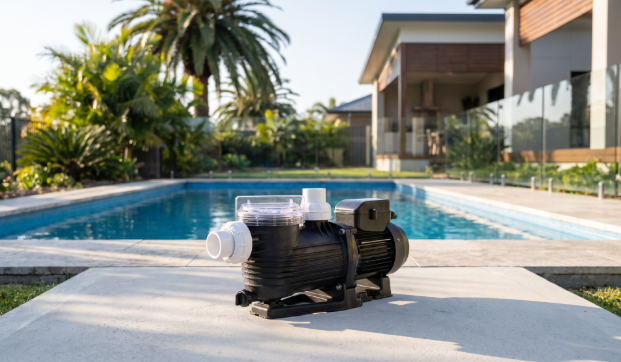
Keeping a pool clean involves much more than removing leaves or adding sanitiser. Effective water circulation plays a vital role in maintaining water quality, protecting pool equipment, and creating a safer swimming environment. An above-ground pool pump is designed to keep water moving through the filtration system, helping remove debris while ensuring chemicals are evenly distributed. Choosing the right pump and maintaining it correctly can improve efficiency, reduce maintenance demands, and extend the lifespan of the entire pool system.
Understanding the Role of an Above-Ground Pool Pump
A pool pump is often considered the heart of any pool system because it continuously circulates water through the filter before returning it to the pool. This movement prevents water from becoming stagnant while allowing the filtration system to capture dirt, insects, leaves, and other contaminants.
Consistent circulation also helps pool chemicals spread evenly throughout the water, creating balanced conditions that are more comfortable for swimmers and easier to maintain.
Why Pool Pumps Are Essential for Effective Pool Maintenance
Keeps Pool Water Clean and Clear
Water circulation is essential for maintaining a clean swimming environment. As water moves through the filtration system, unwanted debris and fine particles are removed before they can settle on pool surfaces. This process improves water clarity and reduces the amount of manual cleaning required.
Helps Maintain Proper Water Chemistry
Balanced pool water depends on the even distribution of sanitisers and treatment products. A reliable pump keeps water moving so chemicals reach every part of the pool rather than remaining concentrated in one area. This consistent circulation supports stable water chemistry, helping protect swimmers while reducing the risk of damage to pool surfaces and equipment.
Prevents Algae Growth and Water Stagnation
Still water provides favourable conditions for algae, bacteria, and other unwanted microorganisms. Continuous circulation makes it more difficult for these problems to develop by keeping water moving through the filtration system. Combined with regular water testing and cleaning, a properly operating pump helps maintain a healthier and more attractive pool.
Protects Other Pool Equipment
The pump works closely with other pool components, including filters, chlorinators, and heating systems. When the pump operates correctly, connected equipment often experiences less wear, reducing the likelihood of unexpected repairs and extending its service life.
Improves Energy Efficiency with the Right Pump
Choosing a pump that matches the size of the pool is important. An oversized pump may consume more electricity than necessary, while an undersized model may struggle to circulate water effectively. Selecting the correct capacity helps maintain efficient operation while supporting lower energy consumption over time.
Factors to Consider When Choosing an Above-Ground Pool Pump
Pool Size and Water Capacity
Selecting a pump with the appropriate capacity ensures the entire pool receives adequate filtration within the recommended operating period. Matching pump performance to pool size helps maintain clean water without placing unnecessary stress on the equipment.
Pump Flow Rate and Compatibility
A pump should work efficiently with the existing filtration system and plumbing. Compatibility between all components allows water to move smoothly throughout the system while maintaining consistent filtration performance.
Energy Efficiency Features
Modern pumps often include energy-efficient motors designed to reduce electricity consumption while maintaining reliable performance. Investing in an efficient model can lower operating costs without compromising water circulation, making it a practical long-term choice for pool owners.
Maintenance Requirements and Durability
A durable pump constructed from quality materials can withstand regular exposure to moisture, chemicals, and outdoor conditions. Choosing a model with accessible components also makes routine maintenance easier, allowing owners to inspect and clean the system without unnecessary difficulty.
Why Professional Installation Matters
Proper installation lays the foundation for reliable pump performance. When installed correctly, the pump can deliver efficient water circulation, maintain balanced filtration, and operate without placing unnecessary strain on connected equipment.
Working with an experienced pool builder in Bendigo can help ensure the pump is correctly matched with the filtration system and installed according to the pool’s specific requirements. Professional guidance also supports long-term efficiency while helping pool owners avoid common installation and maintenance mistakes.
Conclusion
An above-ground pool pump is one of the most important components of an effective pool system. By keeping water circulating through the filtration system, it helps maintain clean water, balanced chemistry, and reliable equipment performance. Selecting the right pump, ensuring professional installation, and carrying out regular maintenance all contribute to a healthier, more efficient, and longer-lasting pool.
Frequently Asked Questions
What happens if a pool pump is too small for the pool?
A pump that is too small may not circulate water effectively, resulting in poor filtration, uneven chemical distribution, and reduced water quality.
How often should an above-ground pool pump be maintained?
Routine inspections should be carried out throughout the swimming season, while more detailed servicing should follow the manufacturer’s maintenance recommendations.
What are the common signs of a failing pool pump?
Reduced water flow, unusual noises, visible leaks, overheating, and poor water clarity are common indicators that the pump may require attention.
Can a pool pump improve water quality?
Yes. Continuous circulation allows the filtration system to remove contaminants while helping pool chemicals remain evenly distributed throughout the water.
How does a pool pump work with the filtration system?
The pump draws water from the pool, pushes it through the filter to remove impurities, and returns the cleaned water to the pool.
Leave a Reply