For most, cannabis is still connected to relaxing and not paying attention. However, that impression needs to be updated. More and more professionals are using precise, sub-perceptual cannabis quantities daily as a cognitive enhancer with no intent to get high. It’s to increase performance.
The biphasic effect: why less is more
At doses below 2.5 mg of THC, people may experience increased productivity, reduced anxiety, and a mild sense of euphoria. However, higher doses can have the opposite effect, potentially reducing productivity and causing increased anxiety, dizziness, racing thoughts, memory and cognitive impairment, and reduced motor control. It is also important to note that some people may begin experiencing these effects at doses as low as 2.5 mg of THC.
How cannabis interacts with focus and anxiety
The endocannabinoid system (an extensive network of CB1 and CB2 receptors found throughout the brain and central and peripheral nervous systems) plays a direct role in the regulation of such things as mood, attention, and emotional response to stress. When THC binds to CB1 receptors at low levels, it produces a low to moderate dopamine release that may help ease background anxiety and better direct one’s focus to the task at hand, without overwhelming the system to create a sense of paranoia.
CBD may help in this regard. Among its other potential effects, CBD can slow the breakdown of anandamide, an endocannabinoid in the brain that has been associated with reduced stress. By helping maintain higher levels of anandamide in the body, CBD may have mild mood-supporting and anxiolytic effects. For professionals seeking calm, consistent focus while minimising psychoactive effects, a 1:1 CBD-to-THC ratio is often considered a common starting point, although even low doses of THC may produce mild psychoactive effects in some people.
A 2018 study published in the \Journal of Affective Disorders\ reported that just one or two puffs of a high-CBD, low-THC cannabis strain were associated with a 50% reduction in self-reported depression and a 58% reduction in anxiety. The findings suggest that even very small doses may produce noticeable changes in perceived mood and mental state.
Getting into a flow state without losing your edge
Flow is that mental state where things just seem to come together effortlessly and without resistance. Part of what makes flow possible is the reduction of the activity in a part of the brain called the Default Mode Network – the same thing that’s responsible for self-referential and ruminative thinking. This is the part of the brain that jumps in with a loud voice to remind you of every mistake you make when you’re trying to focus on your work.
Microdosing cannabis seems to also tamp down this part of the brain, allowing you to work with more fluid and rapid thinking. At ultralow levels, cannabis can enhance focus, and terpenes like pinene also help inhibit acetylcholinesterase, further supporting memory retention and sharpening up that concentration. Limonene, another common terpene in uplifting strains, has been associated with increased dopamine and serotonin activity, which translates practically to an elevated mood and more mental energy. When you’re selecting a strain for daytime work, these terpenes are worth looking for specifically – they’re part of what separates a productive microdose from one that just makes you sleepy.
Choosing the right delivery method
Not all ways of consuming cannabis are appropriate for microdosing. Techniques like inhalation, for instance, can produce fast results, but the amount of cannabinoid you consume is difficult to regulate. The amount will alter depending on how much you inhale and, with edibles, how long you retain your breath. Generally, these methods are not ideal for microdosing, as consistency is key.
For the most part, sublingual routes deliver the best results as they have a fast onset time (15 minutes to 50 minutes) allowing you to adjust quickly. For instance, sublingual tinctures allow smaller doses, adjusting with increments of 0.5 milligrams, giving better control over your consumption and minimizing tolerance. Low-dose edibles are another option, though their delayed onset – sometimes two hours or more – makes real-time adjustment difficult.
To begin, try 1 milligram of THC, and maintain that amount for a few days. The ultimate goal is to find the lowest effective dosage, a dose that gives a noticeable but sub-intoxicating effect.
Building a cost-effective daily routine
Pre-packaged microdose products get really expensive once you’re taking them every day. For many users, this is a long-term commitment – one that can quickly become unsustainable. To maintain a microdosing regimen and minimize your costs, you will probably want to start making your own microdose capsules or tinctures.
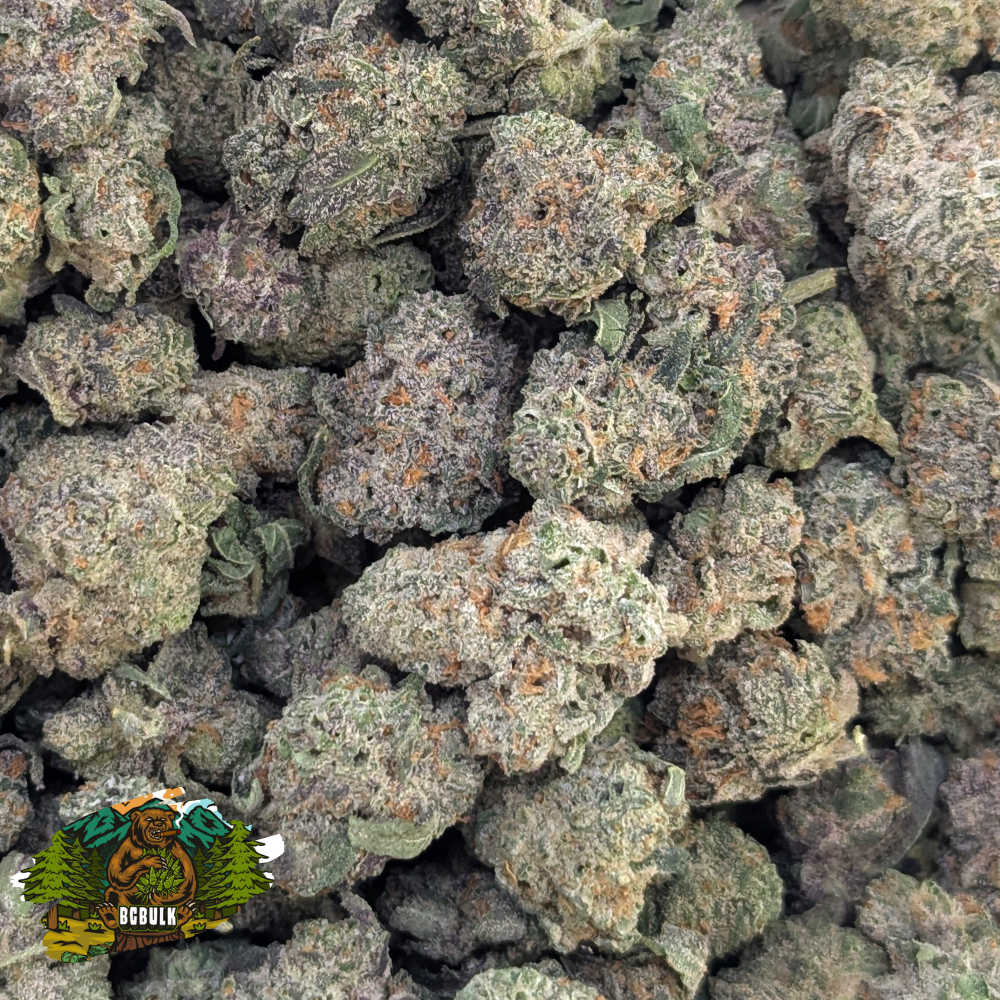
The process starts with raw flower. After decarboxylation – heating the cannabis to convert inactive THCA into active THC – you can infuse it into an oil or alcohol base and dose it with a dropper. Sourcing high-quality raw flower from a reliable supplier like BulkCannabis lets you prepare your own precisely measured oils and tinctures at a fraction of what retail microdose products cost, while giving you full control over the cannabinoid and terpene profile you’re working with.
The upfront learning curve is minor. The cost savings over a year of daily use are not.
A tool, not a shortcut
Microdosing cannabis isn’t a replacement for sleep, exercise, or the basic infrastructure of a functioning work life. It’s a supplementary tool – one that, used with some precision and intention, can help reduce the low-grade anxiety that interrupts focus and make it easier to stay in the work rather than above it. The professionals getting the most out of it aren’t chasing a feeling. They’re treating it the same way they treat caffeine: as a calibrated input with a specific intended output.
Leave a Reply