
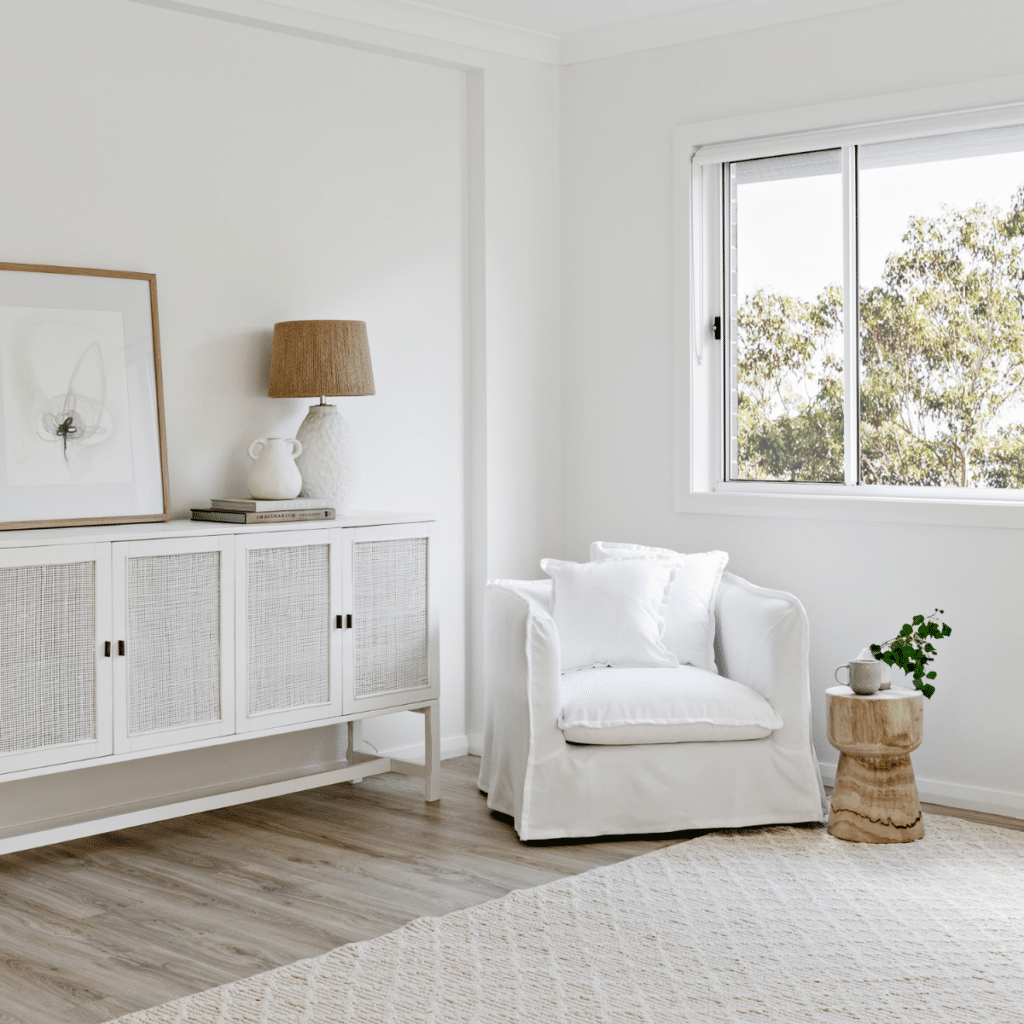
When you rent a space for a short period, the way it feels matters more than people often expect. It is not just about filling rooms so they look complete. You need the space to work well, feel settled quickly, and support your daily routine without creating extra cost or clutter. That is why smarter interiors matter in short-term living. They help you make a temporary place feel practical, comfortable, and considered from the start.
Short-Term Spaces Need Fast, Flexible Setups
When you are renting short-term, you usually do not have the luxury of getting things wrong and fixing them slowly over time. You may be relocating for work, staying somewhere during renovations, or living in a place between larger moves. In those situations, your interior needs to come together quickly and respond to what you need now, not what might suit you years from now.
That is why flexible furnishing often makes more sense than buying everything outright. Opting for furniture hire, through providers like Huntley + Co, can be a practical way to set up a space with less pressure. It gives you a way to create a home that feels complete without committing to pieces that may not suit your next place or your long-term plans.
A Smarter Interior Helps You Feel Settled
A short-term rental can feel temporary in the wrong way if the furniture looks random, sparse, or disconnected. That feeling affects more than appearance. It can change how easily you relax, how well you function in the space, and how quickly the place starts to feel like somewhere you can properly live.
This is where spatial planning becomes useful, even if you are not thinking about it in technical terms. You want each piece to have a clear role and a sensible place. When your layout is thought through properly, the space feels calmer and easier to use, which helps you settle in faster.
Better Layouts Make Small Spaces Work Harder
Many short-term rentals are compact, awkwardly shaped, or expected to do more than one job at once. Your living area may also need to work as a dining space, a workspace, or somewhere you can host people occasionally. If you add furniture without much thought, the room can start to feel crowded rather than comfortable.
A smarter setup focuses on what fits the space and how you move through it. This is where ideas like visual weight and flow matter. In simple terms, you want the room to feel balanced and easy to move around in. The right furniture in the right size will usually do more for you than trying to fit in too much.
Short-Term Living Should Not Create Extra Waste
Buying furniture for a short stay can seem like the easiest option at first, but it often creates more problems later. You may end up spending money on items that do not quite suit the space, then face the issue of storing, selling, or disposing of them once your rental period ends. That can add stress to a setup that was meant to make life simpler.
A smarter interior approach helps you match your furnishings to the actual length and purpose of your stay. That reduces waste, limits unnecessary spending, and makes the whole arrangement easier to manage. If you are renting for convenience, your interiors should support that convenience rather than work against it.
Making A Temporary Space Feel Easier To Live In
Short-term living works better when you treat the interior as part of how the space supports you. A smart setup helps your rental feel settled, functional, and easy to use without locking you into choices that only suit the present moment. When your interiors are planned with flexibility in mind, the space becomes easier to live in, easier to manage, and far more comfortable while you are there.
Leave a Reply