
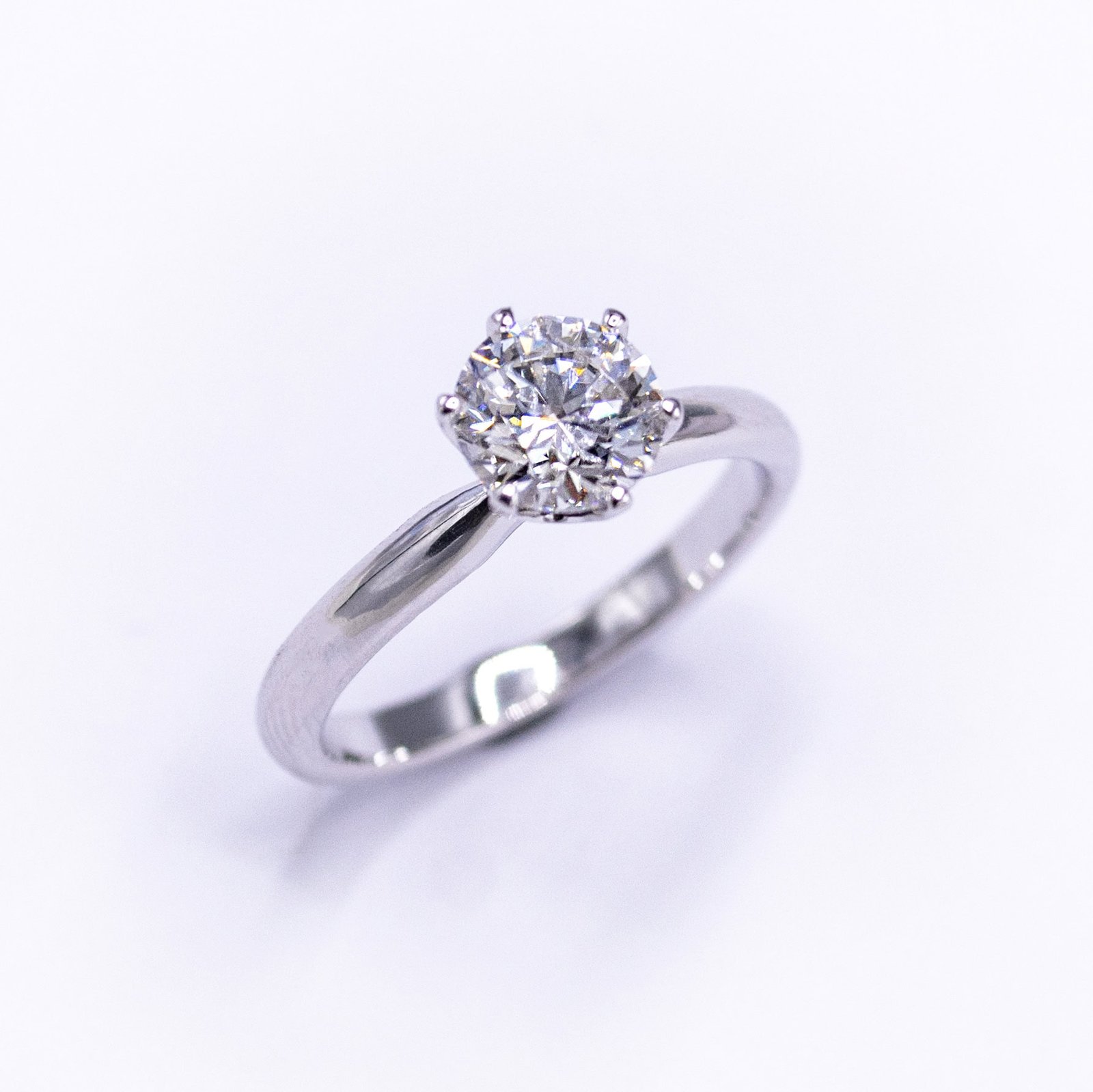
The fashion landscape has undergone a dramatic transformation over the last few years. Consumers are no longer satisfied with the mass-produced, identical accessories that dominate high street windows. For decades, the industry was controlled by a handful of massive conglomerates that dictated which styles were acceptable. Today, that power dynamic has flipped entirely. 2026 has become the year of the bespoke piece. People now want items that carry personal history, verifiable ethical credentials, and distinct stylistic elements. This pivot away from fast fashion is doing more than just changing what we wear on a daily basis. It is completely reshaping the economics and traditional supply chains of the global jewellery industry, paving the way for small, independent artisans to thrive on an international stage.
The Economics of Personalisation
The rapid expansion of the custom accessory sector is primarily driven by Millennials and Gen Z buyers. These demographics heavily prioritise supply chain transparency, conflict-free materials, and lower carbon footprints over traditional luxury brand names. The economic impact of this generational shift is substantial and can be felt across both the retail and manufacturing sectors. According to a recent industry forecast from Research and Markets, the global jewellery customisation service market is expected to reach $5.86 billion in 2026. This impressive growth, boasting a 7.8 percent compound annual growth rate, validates a core truth about modern retail. Shoppers are highly willing to invest in sustainable and personalised luxury over off-the-shelf alternatives.
Supply chain disruptions caused by geopolitical conflicts over recent years have further accelerated this business trend. As prices for newly mined diamonds and palladium spiked unexpectedly, independent workshops adapted quickly by embracing recycled metals and lab-grown alternatives. This flexibility allowed bespoke businesses to thrive, while larger fashion conglomerates struggled to adjust their rigid manufacturing processes. Consequently, consumers realised that local or independent jewellers could offer competitive pricing alongside superior, ethical craftsmanship.
A Return to Artisan Craftsmanship
As the dominant business model shifts, focus has naturally turned toward historic centres of craftsmanship that can meet this new demand for authenticity. For couples seeking to commission a beautifully tailored piece, exploring the renowned work of Nova collection jewelry Chiang Mai provides a perfect example of this modern artisan appeal. They combine decades of heritage craftsmanship with completely customised, ethically sourced designs built around a client’s specific vision. Northern Thailand has operated as a premier centre for silver and gold craftsmanship since 1296, and modern independent jewellers there still utilise heritage hand-forging techniques passed down through generations.
These local artisans frequently work with exceptionally high-purity silver, often ranging from 92.5 percent to 99 percent pure. This pristine material allows for the intricate hammering, engraving, and chasing techniques necessary for highly detailed custom work. Furthermore, Thailand consistently ranks among the world’s top five exporters of silver jewellery. This global position is supported by major trade infrastructure, meaning that independent designers have access to world-class resources while maintaining their boutique charm.
Many independent workshops now even offer highly personalised, hands-on silversmithing classes alongside their retail operations. This allows consumers to participate directly in the creation of their own bespoke pieces, turning a standard retail purchase into a memorable and interactive experience. Customers no longer just buy a ring; they invest in the story and the process behind its creation.
What Modern Consumers Look For in 2026
The stylistic choices of 2026 reflect a deep desire for warmth, character, and individuality. We are seeing a distinct departure from delicate minimalism in favour of bold statement pieces and colourful aesthetics. This aligns perfectly with recent discussions on emerging style movements, particularly the renewed interest in unique stones rather than conventional mass-market pieces. These vivid gemstones, from opals to sapphires, offer a distinctive flair that cannot be replicated by factory production.
To understand exactly how bespoke trends are dominating the market, we can look at the most significant shifts in consumer requests this year. The data paints a clear picture of an evolving shopper:
- Ethical Sourcing First: By 2025, 78 percent of consumers reported prioritising ethical sourcing when purchasing accessories, representing a massive jump from just 52 percent in 2020.
- Alternative Gemstones: Traditional round-cut diamonds saw their market share drop from 59 percent in 2022 to just 36 percent by 2025. Buyers are now favouring oval cuts and colourful, non-traditional gems.
- Warmer Metals: In a major stylistic shift, yellow gold has officially surpassed platinum as the most popular metal choice, reflecting a growing consumer desire for warm, nostalgic tones.
- Modern Heirlooms: While the classic solitaire remains a foundational favourite, buyers are increasingly personalising these rings with chunky cigar bands, intricate engravings, and highly secure bezel settings.
The bespoke business model is proving that the future of fashion is highly personal and ethically conscious. By prioritising sustainable materials, supporting independent artisans, and rejecting mass-produced conformity, consumers are wearing their values with pride. As we move further into 2026, the custom accessory market will only continue to shine brighter, offering a more sustainable, creative, and deeply meaningful approach to personal style.
Leave a Reply