
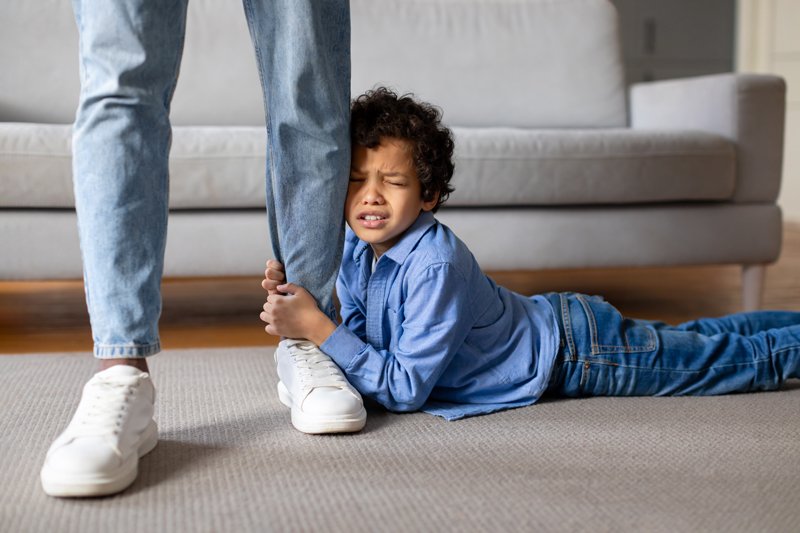
That moment when your child clings to your leg and the tears start can break your heart a little. You know they’ll be fine in five minutes, yet walking away still feels awful. The truth is that drop-off tears are one of the most normal parts of early childhood, even though they rarely feel that way in the moment. Understanding what’s actually going on behind those big emotions makes the whole thing easier to handle. Here are six things worth knowing the next time goodbye gets a little soggy.
1. It’s a Normal Stage, Not a Problem
Crying at drop-off usually isn’t a sign that anything is wrong. It’s a healthy part of growing up that shows your child has formed a strong, loving bond with you. That attachment is exactly what you want. The tears are simply proof that they’d rather be with their favourite person, which is honestly quite sweet when you stop to think about it.
2. Their Sense of Time Is Different
Young children don’t experience time the way adults do. “I’ll be back after lunch” doesn’t mean much when you can’t yet picture what “after lunch” feels like. To a small child, you leaving can feel a bit like you leaving forever, even though it’s only a few hours.
You can make time feel more solid by:
- Linking your return to an event, like “after your nap.”
- Keeping pickup time as consistent as you can.
- Reminding them of the last time you came back, right on schedule.
3. Big Changes Shake Their Footing
A new school, a new sibling, or even a house move can crank the worry up. When the world feels unpredictable, holding tight to you is how your child steadies themselves. None of this is unusual, either. The CDC notes that nearly one in five children has at some point been diagnosed with a mental, emotional, or behavioural condition, so wobbles during big transitions are something countless families quietly navigate. A little extra patience during these stretches goes a long way.
Divorce, for instance, represents another significant upheaval that can disrupt a child’s sense of stability and trigger intense emotional responses. The legal process alone often brings its own set of anxieties, introducing new dynamics and routines that children must learn to adapt to quickly. For parents navigating these complex family changes, understanding the potential impact on their children is paramount and a divorce attorney can help guide them through the legalities while prioritizing the child’s well-being. This guidance can help parents establish new co-parenting agreements that offer predictability and consistency for their children, which is crucial during such a profound transition.
4. They’re Reading the Room’s Energy
Children are emotional sponges. If your own goodbye feels tense or drawn out, they soak that up and assume there’s something to be anxious about. A calm, confident send-off tells them the opposite.
Getting familiar with the everyday signs of separation anxiety in kids makes it much easier to respond with warmth instead of worry of your own. Positive Development Psychology often reminds parents that children take their emotional cues from the adults closest to them, so your steady calm becomes their anchor in a busy, noisy morning.
5. The Tears Usually Stop Fast
Here’s the part that surprises a lot of parents. Most children settle within minutes of you leaving, long before you’ve stopped feeling guilty in the car. Teachers will often tell you the crying ends almost as soon as the door closes. Asking a carer to text you once they’ve calmed down can put your mind at ease and remind you how quickly they bounce back.
6. Sometimes It’s Worth a Closer Look
Occasionally the worry runs deeper and lasts longer than a typical phase. If the distress is intense, sticks around for weeks, or starts spilling into sleep and appetite, it’s reasonable to check in with a professional. Reaching out isn’t an overreaction; it’s simply giving your child a little extra support.
Gentle signs worth watching for:
- Tears that don’t ease at all once you’ve gone.
- Frequent tummy aches or headaches before drop-off.
- Worry that spreads into other parts of daily life.
How Therapy Can Help When Anxiety Becomes Overwhelming?
For some children, separation anxiety goes beyond a few difficult mornings and begins affecting everyday life. If they remain distressed long after drop-off, avoid activities they once enjoyed, or become increasingly fearful of being apart from a parent, working with a child therapist can make a meaningful difference. Evidence-based approaches such as Cognitive Behavioral Therapy (CBT) help children recognize anxious thoughts and develop healthy coping skills, while Supportive Parenting for Anxious Childhood Emotions (SPACE) focuses on coaching parents to respond in ways that gradually reduce anxiety without reinforcing it.
Together, these approaches can strengthen a child’s confidence and emotional resilience. Seeking professional support isn’t a sign of failure. It’s a proactive step that helps children feel more secure and better prepared to handle everyday separations.
Bottom Line
Drop-off tears are tough to watch, but they’re usually a sign of love rather than a cause for alarm. When you understand why they happen, you can meet them with calm instead of panic, and that calm is contagious. Keep your goodbyes short and warm, trust that your child will settle, and know that this stage, like so many others, really does pass. Before long, they’ll be waving you off without a second glance.
Leave a Reply