
A rocking chair can instantly make a front porch feel more inviting. Whether you use it for morning coffee, evening conversations, or simply relaxing outdoors, the right rocking chair should offer a balance of comfort, durability, and style.
When outdoor weather is harsh, choosing weather-resistant materials is very important. Wood and HDPE are the two most popular materials for rocking chairs. So, which material is more suitable for your porch? What are the differences between them? We’ve compiled a complete comparison guide to help you make better purchasing decisions.
What Are Wood Rocking Chairs?
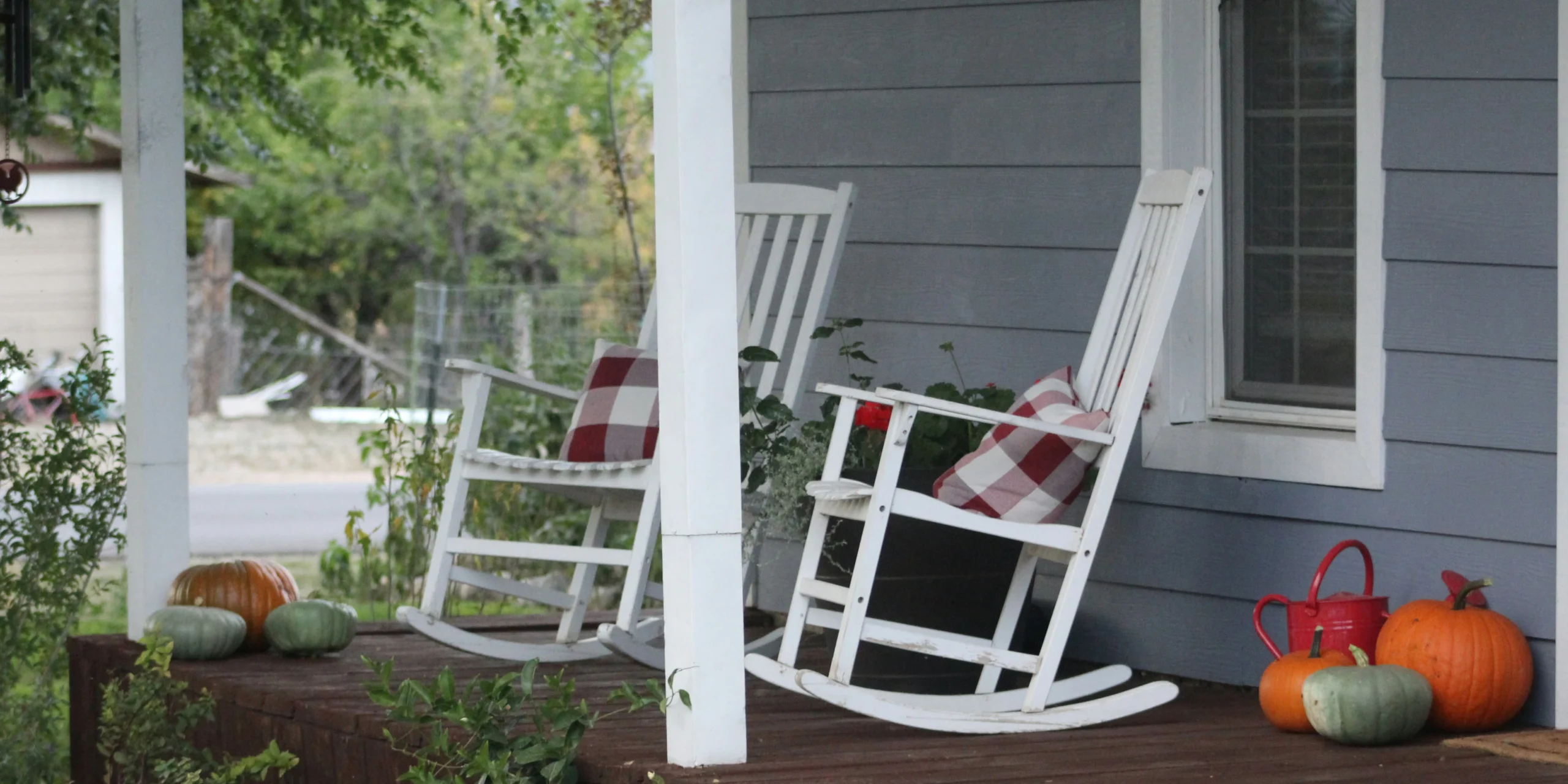 Wood rocking chairs are a classic choice for front porches, valued for their natural grain, warm appearance, and traditional style. Common outdoor woods include teak, cedar, acacia, eucalyptus, and pine, each offering different levels of durability and weather resistance.
Pros: Wood offers an authentic, timeless look and can be painted, stained, or refinished to match different porch styles.
Cons: Wood generally requires more maintenance than synthetic materials. Regular sealing, staining, or painting may be needed to protect it from moisture, fading, cracking, warping, and rot, especially on exposed porches.
What Are HDPE Rocking Chairs?
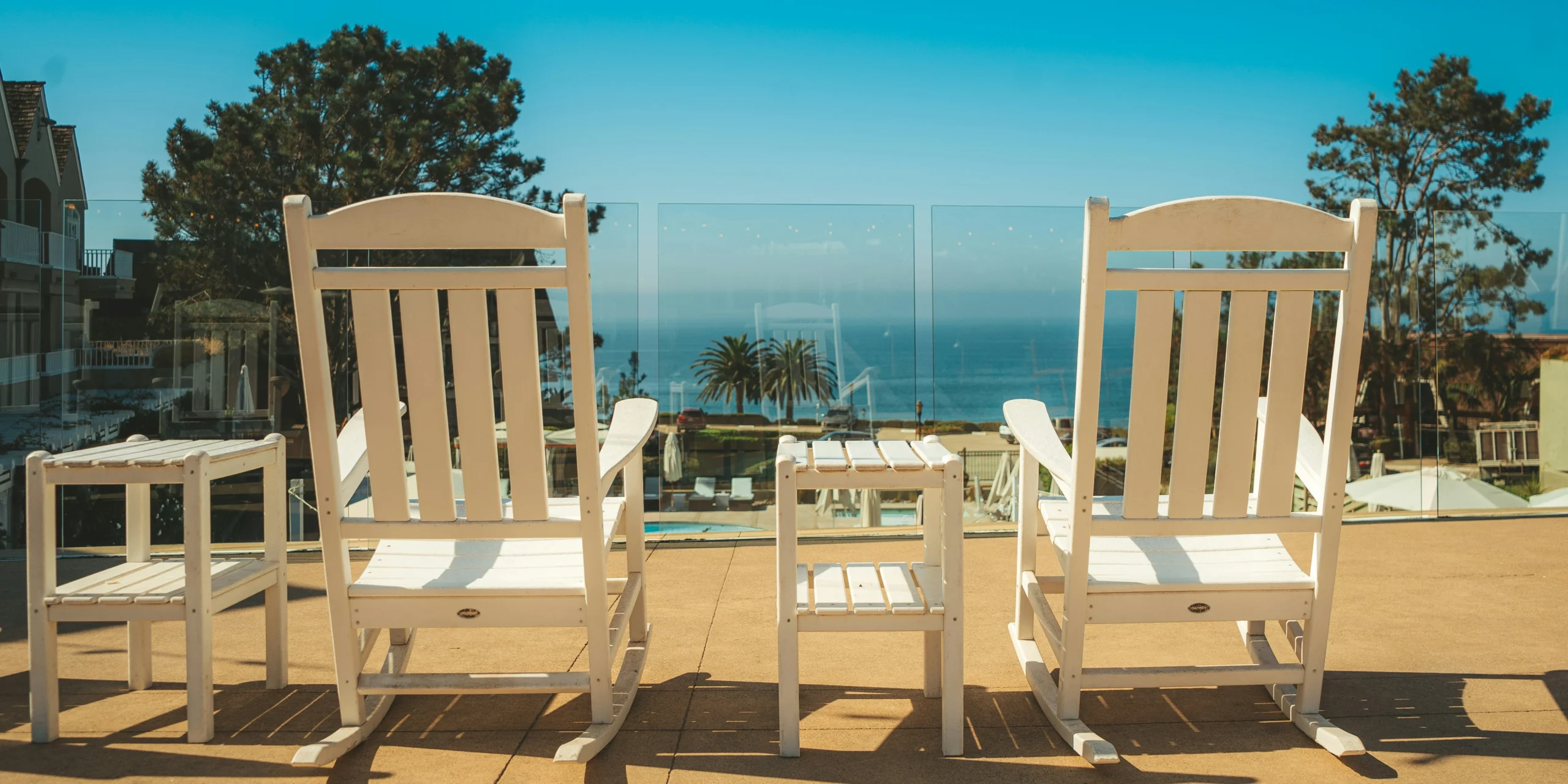 HDPE rocking chairs are made from high-density polyethylene, a durable material commonly used in outdoor furniture. Unlike thin molded plastic, they are typically constructed from solid HDPE lumber designed to withstand outdoor conditions with minimal maintenance.
Their main advantages include strong moisture resistance, easy cleaning, and a wide range of color options. HDPE does not absorb water like natural wood, so it is less prone to rotting, swelling, or splintering after exposure to rain. Most everyday dirt and pollen can also be cleaned with simple soap and water.
Pros: HDPE rocking chairs are weather-resistant, low-maintenance, easy to clean, and resistant to rotting, cracking, and splintering. They also come in a wide range of colors and styles.
Cons: HDPE chairs are usually heavier than many wood options and do not offer the same natural grain and texture as real wood.
Wood vs. HDPE Rocking Chairs: Key Differences
 Durability
 Durability
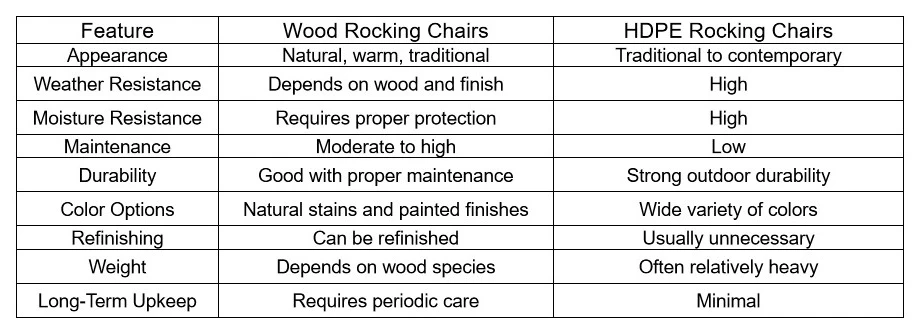
For durability, both wood and HDPE rocking chairs can perform well, but they differ in the amount of care they require. A quality wood rocking chair can last for many years, especially when made from durable species and kept on a covered porch, but it often needs regular sealing or refinishing to protect it from moisture, UV exposure, cracking, and warping.
HDPE rocking chairs require much less maintenance. They resist moisture, rot, and splintering, making them better suited for long-term outdoor exposure. For uncovered or partially covered porches, HDPE generally offers more consistent durability with less upkeep.
Maintenance
Maintenance is one of the biggest differences between wood and HDPE rocking chairs. Wood typically requires regular care, such as sanding, sealing, staining, painting, and checking for cracks or moisture damage to maintain its appearance and durability.
HDPE rocking chairs are much easier to maintain. They generally require only occasional cleaning with soap and water, with no need for staining, sealing, or refinishing. This makes HDPE a more practical choice for homeowners who prefer low-maintenance outdoor furniture.
Comfort
Comfort depends on more than material, but wood and HDPE rocking chairs can offer different seating experiences. Wood rocking chairs provide a firm, natural feel and often feature traditional curved backs and contoured seats that suit relaxed porch seating. HDPE rocking chairs typically offer a smoother, more consistent surface and can be molded or shaped into ergonomic designs with supportive backs, wide seats, and comfortable armrests.
Wood may appeal to those who prefer a classic, solid seating feel, while HDPE is often a good choice for shoppers looking for consistent ergonomics, easy-clean surfaces, and stable outdoor seating.
Appearance
Wood rocking chairs stand out for their authentic, vintage-inspired beauty. Natural grain patterns, warm tones, and subtle variations in texture give each chair a unique character that synthetic materials cannot fully replicate. This makes wood especially well suited to farmhouse porches, historic homes, rustic cabins, and other traditional outdoor spaces where a classic, timeworn look is part of the appeal.
HDPE rocking chairs offer a cleaner, more consistent appearance and a wider range of colors, but they generally lack the natural depth and nostalgic charm of real wood.
Which Rocking Chair Should You Choose?
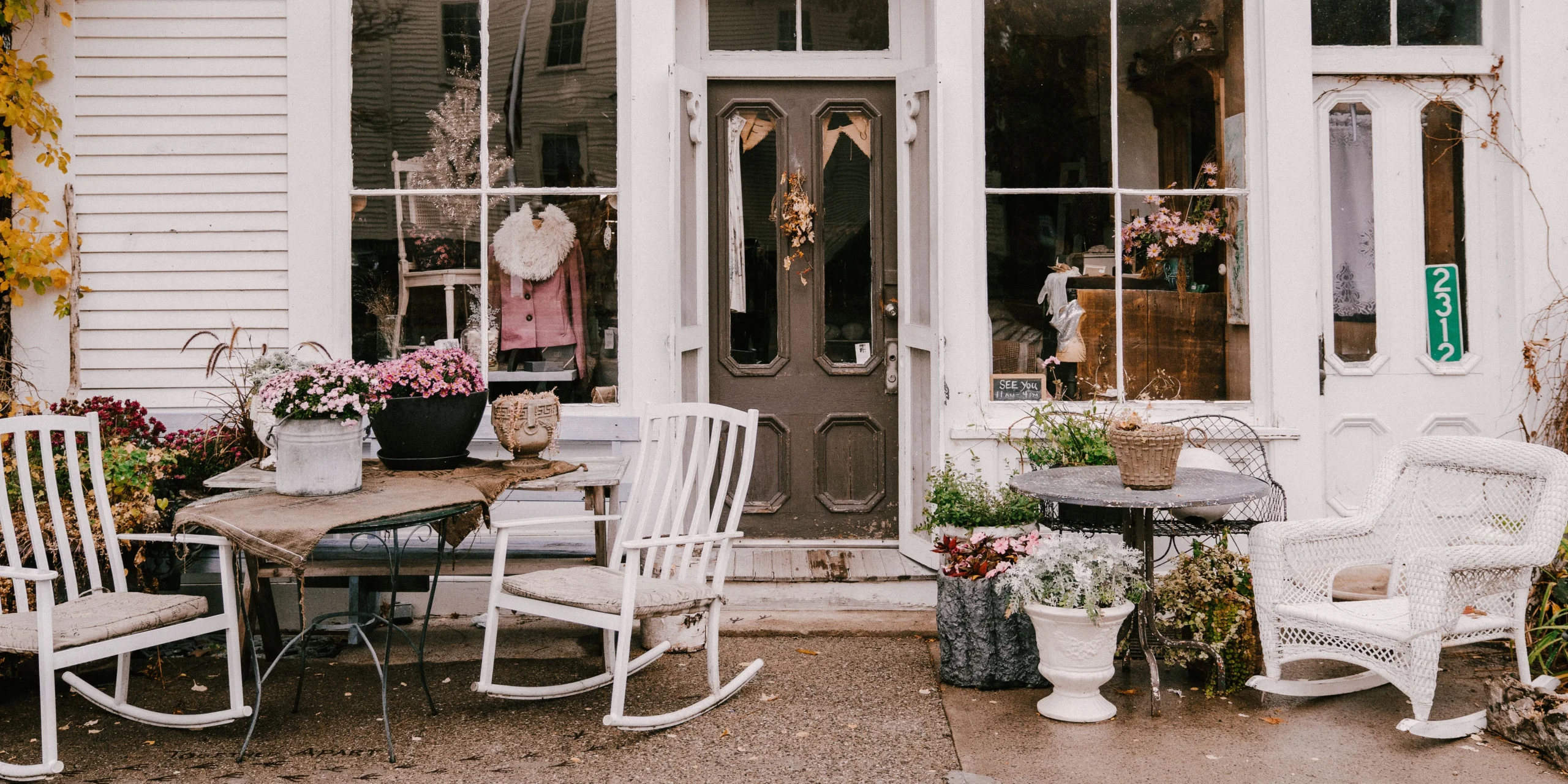 Neither wood nor HDPE is the best choice for every front porch. The right material depends on your preferred style, local weather, and how much maintenance you are willing to do.
Choose a Wood Rocking Chair If:
Wood rocking chairs are best for homeowners who value natural materials and classic porch aesthetics. Consider wood if you:
- Prefer authentic wood grain, warm tones, and a vintage-inspired look.
- Want to complement a farmhouse, cottage, rustic, or traditional home.
- Have a fully or mostly covered porch that protects furniture from direct rain and sun.
- Do not mind occasional sealing, staining, painting, or refinishing.
- Prefer furniture that can develop character and patina over time.
Recommended brand: Grandin Road. Its current outdoor rocker collection includes models made from naturally durable acacia wood as well as teak hardwood, making it a useful option for shoppers looking for traditional wood porch furniture.
Choose an HDPE Rocking Chair If:
HDPE rocking chairs are better suited to homeowners who prioritize durability, weather resistance, and easy maintenance. Consider HDPE if you:
- Want outdoor furniture that requires minimal upkeep.
- Live in a rainy, humid, coastal, or four-season climate.
- Have an uncovered or partially covered front porch.
- Prefer not to regularly stain, seal, or repaint furniture.
- Want more flexibility in color and style.
- Plan to keep your rocking chair outdoors for most of the year.
Recommended brands: Serwall and POLYWOOD.
If you love the traditional look of a porch rocking chair but are looking for an affordable option, the Serwall rocking chair is a great choice. If your budget allows, you can choose POLYWOOD.
Leave a Reply