
Working on your own car is easier, safer and more accurate when you have the right tools close at hand. A home mechanic does not need a full commercial workshop from day one, but a few reliable essentials can help you handle basic servicing, inspections, part replacements and small repairs with more confidence. The key is to choose tools that improve safety, protect components and make routine jobs more precise.
Socket And Spanner Sets Handle Most Jobs
A quality socket and spanner set should be the first tool category in any home garage. Most basic automotive work involves removing or tightening nuts, bolts and fasteners, so you need a set that covers common metric sizes used across modern vehicles. Ratchets, extension bars and deep sockets are especially useful when working around awkward engine bay angles, suspension parts or underbody components.
When building your kit, avoid choosing tools only by price. Poorly fitting sockets can round fasteners, damage parts and make simple work harder than it needs to be. Broader automotive suppliers, including Rolan Australia vehicle parts and workshop equipment, can be useful reference points when comparing hand tools, replacement parts and workshop basics for routine maintenance.
A Torque Wrench Tightens Parts Correctly
A torque wrench is essential because many vehicle components must be tightened to a specific force. Guesswork can lead to stripped threads, warped brake parts, loose wheels or damaged engine components. Wheel nuts, spark plugs, sump plugs, suspension bolts and some engine covers often require controlled tightening rather than “as tight as possible”.
For home use, a click-type torque wrench is usually practical and easy to learn. Always check your vehicle’s service manual for the correct torque specification, and reset the wrench after use to help preserve its accuracy. Careful tightening is one of the simplest ways to work more like a professional, even in a small home garage.
Jack Stands Keep Underbody Work Safe
A hydraulic jack helps lift the vehicle, but it should never be the only thing holding the car up while you work underneath it. Jack stands are critical safety tools because they provide stable support once the vehicle is raised. Tyre changes, brake inspections, oil changes and exhaust checks all become safer when the car is properly supported on level ground.
Choose stands rated for your vehicle’s weight and place them only on approved jacking points. Wheel chocks add another layer of protection by stopping the vehicle from rolling. For any home mechanic, safe lifting habits matter more than speed, especially when working alone.
Screwdrivers And Pliers Reach Small Components
Screwdrivers and pliers may seem basic, but they are used constantly in automotive work. Flathead and Phillips screwdrivers help with trims, clamps, covers and small fittings, while pliers are useful for clips, hoses, electrical connectors and stubborn fasteners. A set that includes long-nose pliers, side cutters and locking pliers gives you more flexibility across different jobs.
Modern vehicles often use plastic clips and tight packaging, so control matters. Forcing trim pieces or connectors can break tabs and create extra repairs. Having the right hand tool for small components helps you remove parts cleanly and reinstall them without unnecessary damage.
Diagnostic Tools Help Find Faults Faster
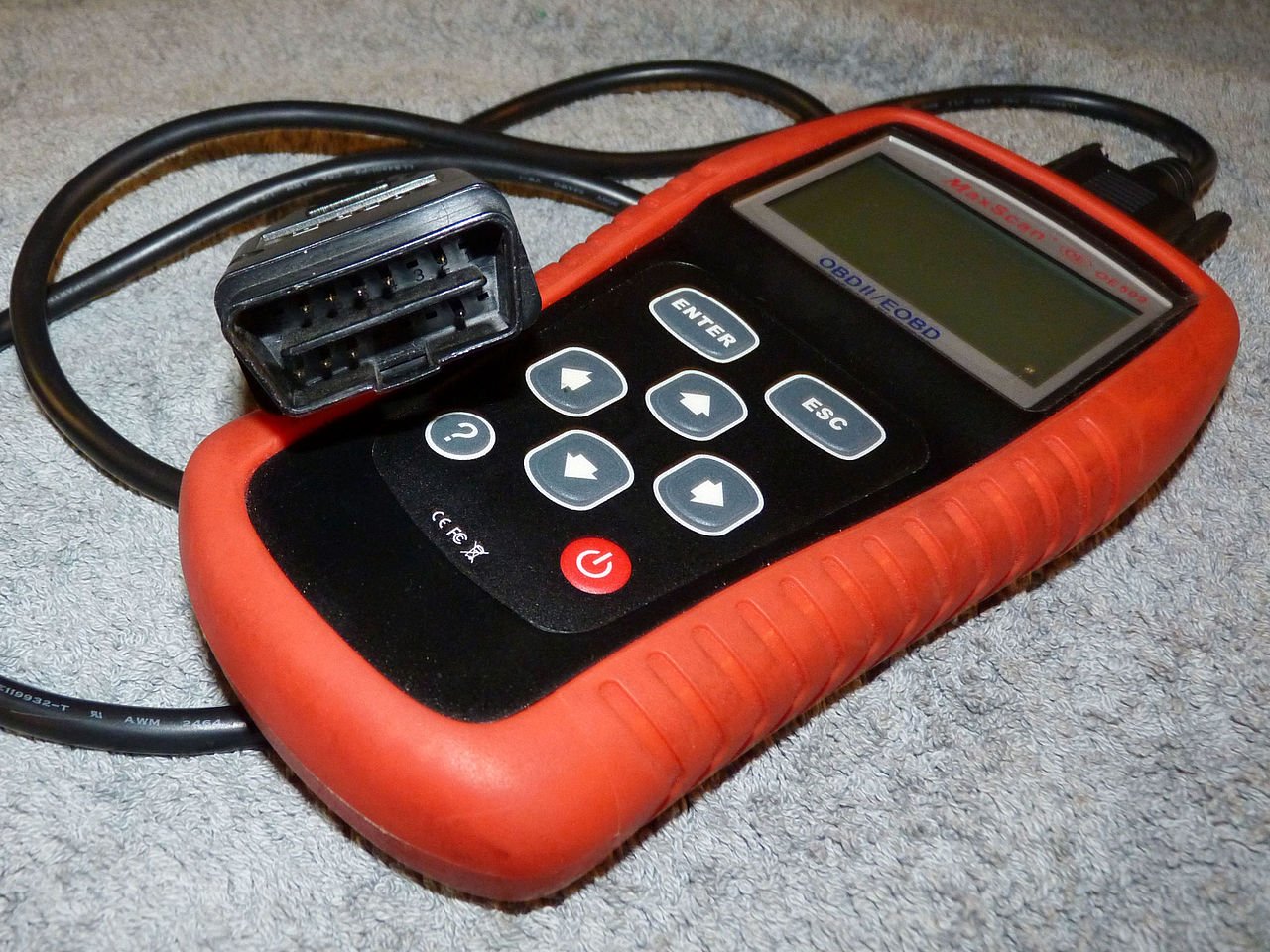
An OBD-II scanner is one of the most useful tools for understanding warning lights and engine fault codes. It connects to the vehicle’s diagnostic port and reads codes stored by the car’s computer system. While a scanner does not automatically tell you the full repair, it gives you a starting point before replacing parts or booking a mechanic.
Basic scanners can read and clear codes, while more advanced models show live data from sensors. For a home mechanic, even an entry-level scanner can reduce guesswork. It helps you separate a simple sensor issue from something that needs deeper professional diagnosis.
Oil Service Tools Make Maintenance Cleaner
Routine oil changes are common home maintenance tasks, but they are much easier with the right equipment. An oil drain pan, oil filter wrench, funnel and gloves help keep the job controlled and tidy. These tools also reduce the risk of spills, cross-threading or overfilling.
It is also worth learning the correct oil grade, filter type and drain plug condition before starting. A damaged sump plug or old washer can cause leaks after the service. Good preparation turns a messy job into a straightforward maintenance routine.
Build A Smarter Home Garage
The best home mechanic tool kit starts with safety, accuracy and everyday usefulness. Socket and spanner sets, a torque wrench, jack stands, screwdrivers, pliers, diagnostic tools and oil service gear cover many of the jobs most owners are likely to attempt. From there, you can add more specialised tools as your confidence grows and your vehicle’s needs become clearer.
Leave a Reply