
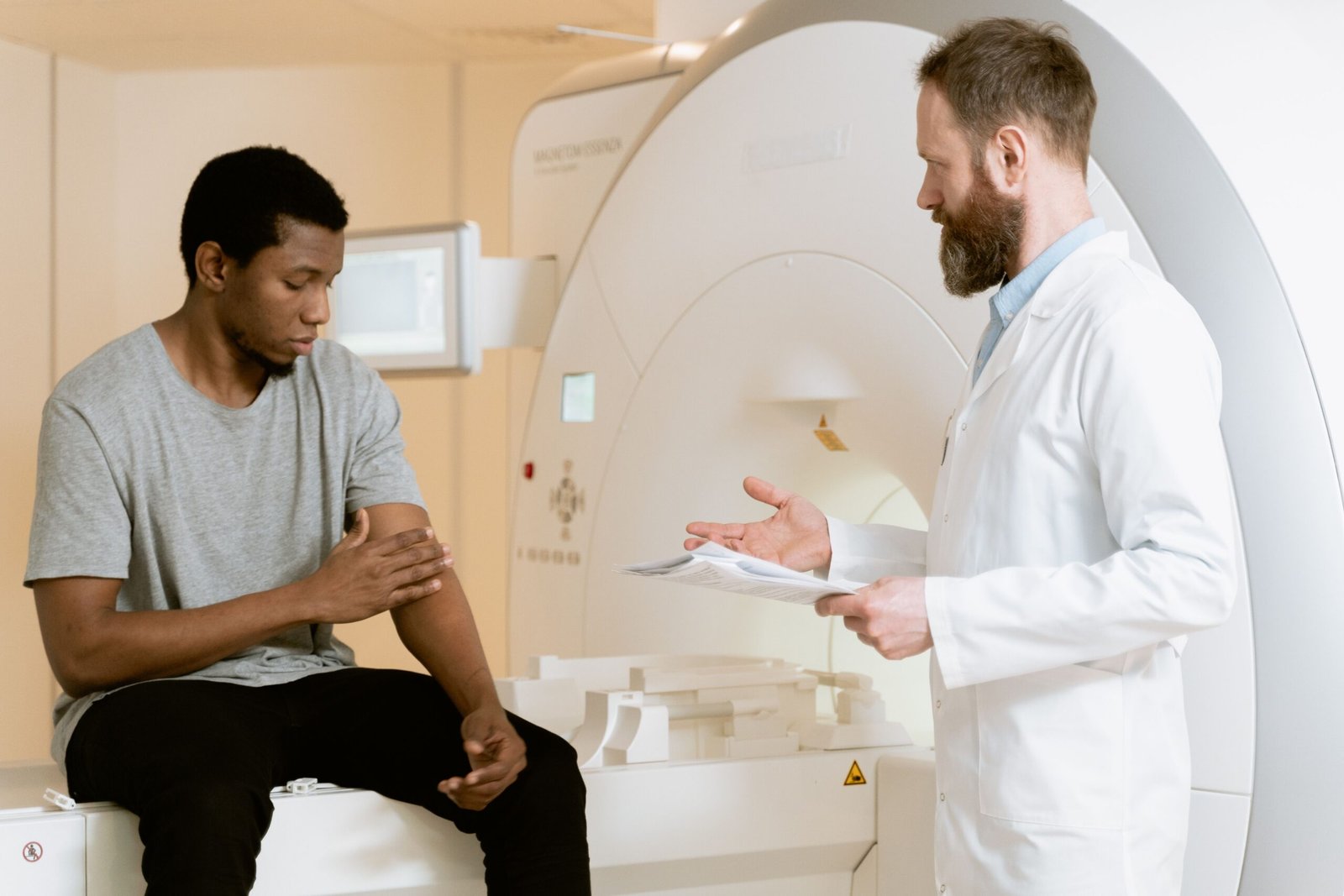
If your doctor says you need an MRI, your brain might instantly start playing dramatic movie music. That’s normal. A first scan can feel mysterious if you’ve never had one before. The good news is that an MRI is a common test, and knowing what to expect usually makes the whole thing feel much less scary. When you understand the basics, you can show up feeling prepared instead of startled like a cat hearing a vacuum.
Why MRIs matter
An MRI is a scan that helps doctors look at what’s happening inside your body without surgery. It uses magnets and radio waves to create detailed images of things like joints, muscles, the brain, spine, and other soft tissues. That’s why it often shows details an X-ray can’t.
If you’re trying to understand what providers mean when they talk about MRI services, it helps to think of it as a closer look at areas that may be causing pain, weakness, numbness, or other symptoms. Your doctor usually orders one because they want clearer answers.
This test isn’t about guessing. It’s about getting a better picture so your care team can make smarter decisions. In many cases, that can mean confirming an injury, ruling out a bigger issue, or figuring out the next step without a lot of trial and error.
When doctors suggest one
You might need an MRI for reasons that are pretty ordinary, even if the machine itself looks like it belongs on a spaceship. A doctor may suggest one if you’ve had back pain that won’t quit, knee pain after a sports mishap, or headaches that need a closer look.
MRIs are also common after falls, car accidents, or old injuries that never healed quite right. In cases involving severe accidents or medical negligence, detailed scans are sometimes requested by a personal injury or wrongful death lawyer to properly document the extent of the trauma. If you’ve got numbness in an arm, swelling in a joint, or pain that keeps showing up like an uninvited guest, this scan can help pinpoint the cause.
MRIs are also common after falls, car accidents, or old injuries that never healed quite right. If you’ve got numbness in an arm, swelling in a joint, or pain that keeps showing up like an uninvited guest, this scan can help pinpoint the cause.
Sometimes the MRI is used to check on a known issue. Maybe you’ve already been told you have a disc problem, torn ligament, or chronic condition. In that case, the scan can show whether things have changed.
It doesn’t always mean something is seriously wrong. Often, it just means your doctor wants more detail before recommending treatment.
What the scan feels like
The appointment usually starts with check-in, a few safety questions, and a reminder to remove metal items. After that, you’ll lie on a table that slides into the MRI machine. The machine is loud. Think thumping, tapping, and clanking. It’s not subtle.
You’ll likely get earplugs or headphones, which helps a lot. The biggest job during the scan is simple but not always easy: stay still. Even small movements can blur the images, so this is your moment to become a statue.
Some scans are quick, while others take longer depending on the body part and whether contrast is needed. Many are done in 30 to 60 minutes. If you’re having an open MRI, the setup may feel less enclosed. Traditional machines can feel tighter, which matters if you’re claustrophobic.
The scan itself shouldn’t hurt. It’s more about patience than pain.
How to prepare calmly
A little prep goes a long way. Wear comfortable clothes, but know you may still need to change into a gown. Avoid outfits with metal zippers, snaps, or underwire if possible. Leave jewelry at home, and don’t forget the obvious stuff like watches and hairpins.
Before your appointment, tell the staff if you have a pacemaker, metal implants, hearing devices, or if there’s any chance you’re pregnant. These details matter because MRI safety is all about metal awareness. It’s the one time forgetting your accessories is actually helpful.
If your scan may involve contrast dye, ask what that means and whether you need to avoid food beforehand. Rules can vary. It’s also smart to arrive a little early so you’re not rushing in with your stress level already at full volume.
If enclosed spaces make you nervous, say so ahead of time. Many centers have options to help you feel more comfortable.
Questions worth asking
You don’t need to show up and silently hope for the best. Asking a few practical questions can make the day much smoother. Start with the basics: how long will the appointment take, and do you need to do anything special before arriving?
It’s also fair to ask about cost, insurance coverage, and whether preapproval is needed. Medical surprises are bad enough. Billing surprises are their annoying cousin.
Other helpful questions include:
- Will contrast dye be used?
- Can you eat and drink normally first?
- What if you’re claustrophobic?
- Should you bring prior imaging records?
- Will you need someone to drive you home?
- When and how will results be shared?
If you have pain that makes lying flat difficult, mention it before the appointment. Staff may be able to help with positioning. Simple questions often lead to the most useful answers, especially when you’re trying to avoid extra stress.
After your appointment
Once the scan is done, most people can get right back to normal life. If you didn’t have sedation, you can usually drive yourself, eat normally, and go about your day. That part feels refreshingly boring, which is often a win.
The images then go to a radiologist, who reviews them and sends a report to the doctor who ordered the MRI. You might get results quickly, or you may need to wait a few days. It depends on the office and how urgent the issue is.
If the waiting part makes you anxious, ask before you leave how results will be delivered. Some offices call, some use patient portals, and some wait until a follow-up visit.
The biggest thing to remember is this: an MRI is a tool, not a verdict. It helps your doctor understand what’s going on so you can make informed choices. And that’s a solid next step, even if the machine sounds like it’s starting a one-band drum concert.
Leave a Reply