
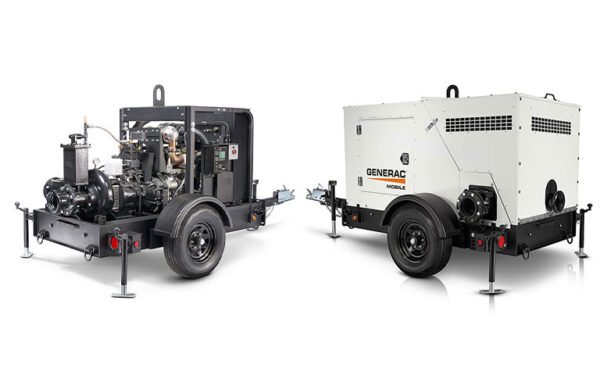
Diaphragm pump repair parts may not be the first items that come to mind when planning a home renovation, but they can become essential when a project involves standing water, muddy excavation areas, drainage problems, or heavy-duty cleanup.
A renovation runs more smoothly when the right equipment, replacement components, safety gear, and waste-removal plan are ready before demolition begins.
For projects where a diaphragm or trash pump will be working repeatedly, keeping suitable diaphragm pump repair parts accessible can reduce delays caused by worn components or an unexpected equipment failure.
At the same time, arranging a renovation dumpster gives workers a designated place for drywall, old fixtures, flooring, packaging, and other permitted construction debris instead of allowing waste to accumulate around the property.
Start With the Tools Used Every Day
Most renovation projects rely on a relatively small group of tools again and again.
A dependable cordless drill and impact driver are useful for removing cabinetry, installing framing hardware, assembling fixtures, and handling countless smaller jobs.
Circular saws, reciprocating saws, oscillating multi-tools, pry bars, utility knives, hammers, levels, tape measures, and adjustable wrenches cover much of the cutting, demolition, measuring, and installation work found on a typical remodel.
The exact combination depends on the project.
Someone renovating a kitchen may spend more time using drills, saws, levels, and plumbing tools, while a bathroom remodel can require tile equipment, pipe tools, sealant guns, and moisture-related equipment.
When using a home renovation dumpster rental service, buying or renting tools based on actual tasks is usually more practical than filling a garage with equipment that may never leave its case.
Demolition Tools Should Match the Material
Demolition looks simple until the first wall, floor, or cabinet refuses to come apart cleanly.
A small pry bar can handle trim and baseboards, while a larger wrecking bar provides additional leverage for heavier materials.
Reciprocating saws are useful when old framing, pipes, or fasteners need to be cut in areas where precise finish work is not the priority.
For tile removal, a hammer and masonry chisel may work on a small area, but larger floors can justify renting powered demolition equipment.
The goal is controlled removal rather than maximum destruction.
Breaking materials unnecessarily creates more debris, increases cleanup time, and can damage surfaces that were supposed to remain.
Keep Debris Moving as Work Progresses
A common renovation mistake is waiting until the end of demolition to think about waste.
That approach can leave broken drywall, lumber, tile, cabinets, and packaging stacked in hallways, driveways, or work areas.
Instead, debris should move out of active work zones regularly.
A dumpster positioned in a practical location can simplify this process by creating one destination for approved waste.
Workers spend less time rearranging piles, and clear pathways make it easier to move tools and new materials through the property.
Before loading, confirm what the rental provider allows because restrictions can apply to items such as paint, chemicals, batteries, appliances, tires, and certain heavy materials.
Water Management Can Become an Unexpected Priority
Water has a habit of appearing at the least convenient point in a renovation.
A basement project may uncover seepage behind an old wall, an exterior renovation may encounter a rain-filled excavation, or a plumbing job may leave water that needs to be removed before repairs continue.
This is where pumps become part of the renovation toolkit.
Diaphragm pumps are often useful for demanding dewatering situations because their operating design can handle applications that would be difficult for equipment intended only for relatively clean water.
For example, imagine a contractor excavating beside a foundation to address a drainage problem.
Heavy overnight rain fills part of the work area with muddy water, making it difficult to inspect the foundation or continue waterproofing.
Removing that water efficiently can determine whether the crew resumes work that morning or loses much of the day.
Why Pump Maintenance Matters During a Renovation
Equipment failure is frustrating on any job, but it becomes especially disruptive when the failed machine is preventing water from entering the work area.
Pumps used around renovation and construction sites may encounter dirt, sediment, abrasive material, and demanding operating conditions.
Wear can affect diaphragms, valves, seals, hoses, fittings, and other serviceable components depending on the pump model.
Operators should inspect equipment before relying on it for an important dewatering task.
Unusual noise, reduced flow, visible leaks, difficulty priming, or noticeably weaker performance can indicate that the machine needs attention.
Continuing to operate poorly performing equipment without identifying the cause can turn a manageable maintenance issue into a longer interruption.
Keep the Correct Replacement Components Available
A spare component is only useful when it actually fits the equipment being repaired.
Pump model numbers, manufacturer specifications, component dimensions, and material compatibility should be checked before ordering replacements.
This becomes especially important with older equipment because visually similar components may have different specifications.
Keeping commonly needed wear items available can make sense when a pump is being used repeatedly during a long renovation.
For equipment that is rarely used, identifying a reliable parts source in advance may be more practical than stocking numerous components.
Either approach is better than discovering a failed part after a trench has already started filling with water.
Do Not Overlook Dust Control
Water and debris are obvious renovation problems, but airborne dust can spread far beyond the room where work is happening.
Cutting drywall, sanding joint compound, removing tile, and working with masonry can produce significant amounts of dust.
Plastic barriers, zipper doors, appropriate filtration, dust extraction equipment, and shop vacuums designed for the material being collected can help contain the mess.
Workers also need appropriate personal protective equipment based on the task and exposure.
Safety glasses, hearing protection, gloves, suitable respiratory protection, sturdy footwear, and protective clothing should be selected for the specific work being performed.
Dust control also protects finished areas of the home.
Without containment, fine particles can migrate into bedrooms, closets, HVAC components, furniture, and other spaces that were never part of the renovation.
Measuring Tools Prevent Expensive Mistakes
Some of the cheapest tools on a renovation site can prevent the most expensive errors.
A reliable tape measure, level, square, and marking tools should always be easy to reach.
Laser levels can be particularly useful for cabinets, tile layouts, shelving, wall framing, and other work where alignment needs to remain consistent across a larger area.
Consider a kitchen where the base cabinets are installed slightly out of level.
The error may appear minor until countertops, backsplashes, appliances, and upper cabinets are added.
A few minutes spent checking measurements early can prevent hours of correction later.
The familiar rule of measuring twice before cutting remains useful because replacement materials cost both money and time.
Material Handling Equipment Saves Effort
Renovations involve constant movement.
Old appliances go out, boxes of tile come in, lumber travels through narrow spaces, and heavy bags or fixtures need to reach the correct room.
Hand trucks, dollies, moving straps, buckets, carts, and sturdy storage containers can make these tasks easier and safer.
Material handling should also influence dumpster placement.
A container that is technically on the property but difficult to reach may create unnecessary labor throughout the project.
When possible, the waste route should be short, clear, and separated from areas where new materials are being stored.
Organize Tools Before the Project Gets Busy
Renovation sites become disorganized quickly when tools do not have designated places.
A drill left underneath a drop cloth or a missing tape measure can waste only a few minutes, but those interruptions add up over several weeks.
Portable toolboxes, labeled bins, charging stations, and separate storage areas for fasteners and replacement components can keep equipment accessible.
Pump components and other mechanical spares should be stored somewhere clean and dry rather than mixed with demolition debris.
The same principle applies to new fixtures and finish materials.
Separating tools, incoming products, reusable materials, and waste reduces the chance that something valuable accidentally ends up in the dumpster.
Coordinate Equipment and Waste Removal Before Demolition
A good renovation setup connects tools, site access, water management, material storage, and debris removal instead of treating them as separate decisions.
Before demolition begins, determine where the dumpster will sit, how workers will reach it, where new materials will be stored, and which areas need protection.
Check power availability for tools and charging equipment, and identify water shutoffs before plumbing work starts.
If excavation, basement work, or drainage repairs are involved, decide how unexpected water will be handled as well.
These decisions may sound minor compared with choosing cabinets or flooring, but they determine how efficiently the project operates once the property becomes an active worksite.
Preparation Keeps Renovation Problems Manageable
Home renovations rarely unfold exactly as planned.
A wall can hide deteriorated material, rain can interrupt exterior work, a pump can need servicing, or demolition can generate considerably more waste than expected.
Preparation does not eliminate those surprises, but it makes them easier to handle.
Reliable everyday tools keep work moving, appropriate safety equipment protects workers, water-removal equipment addresses wet conditions, and organized waste management keeps debris from taking over the property.
For projects that depend on pumping equipment, having the right service information and replacement components available adds another layer of preparedness.
Combined with a properly planned home renovation dumpster rental, those practical details can turn a chaotic worksite into a renovation that remains organized even when something unexpected happens.
Leave a Reply