
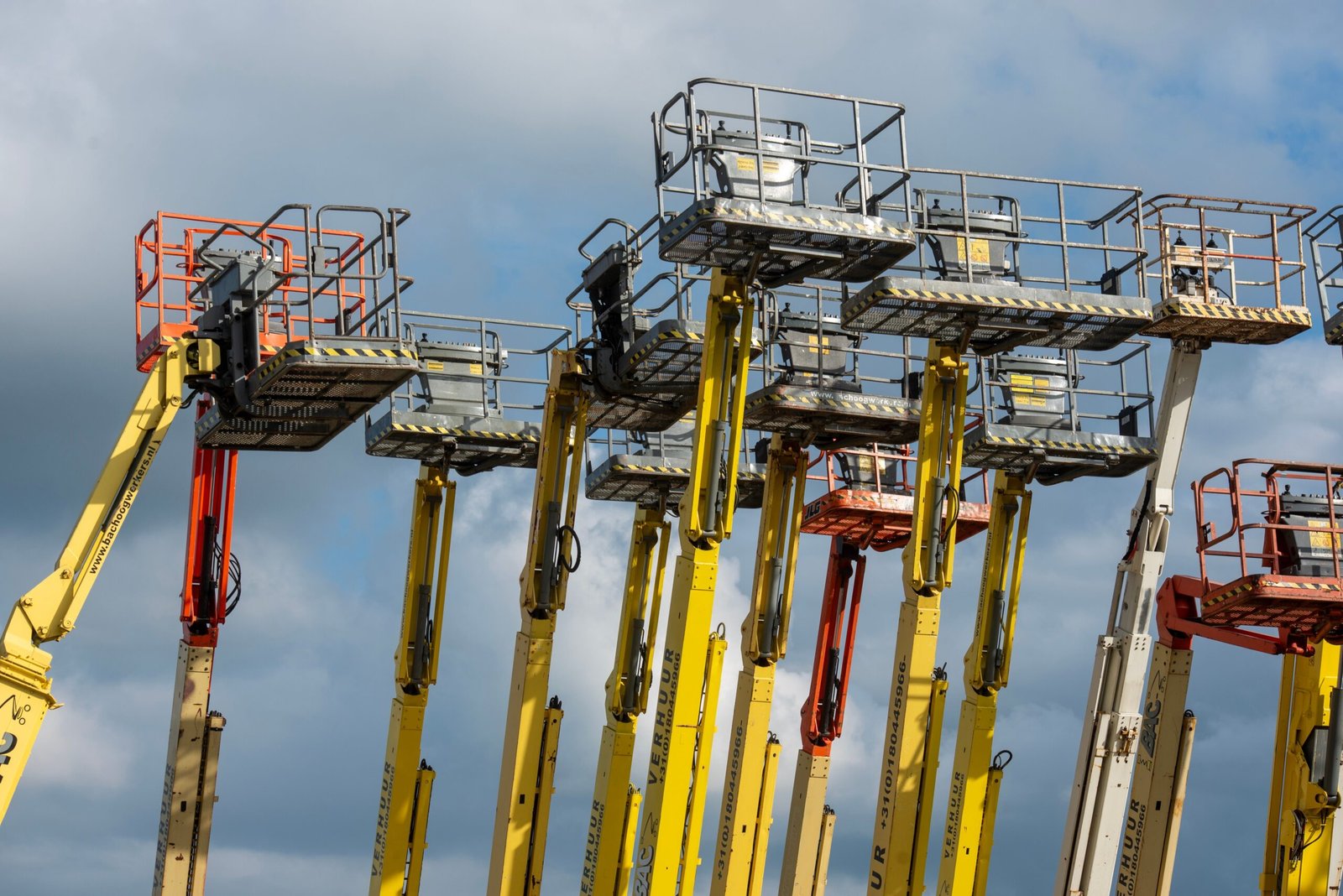
Lift equipment plays an essential role in daily operations across warehouses, construction sites, equipment yards, and service fleets. However, unexpected breakdowns can disrupt schedules, delay projects, and create serious workplace safety concerns. Even a minor problem with a scissor lift or boom lift can affect productivity and lead to costly downtime. Maintaining reliable equipment requires more than occasional servicing. Regular inspections, timely replacement of worn components, and early identification of warning signs can help prevent unexpected failures.
Lift Downtime Often Begins Before the Equipment Stops Working
Most equipment failures do not happen without warning. They often begin with subtle changes in performance that are easy to overlook, such as slower platform movement, unusual hydraulic noises, intermittent fault codes, difficulty steering, or gradually declining battery performance.
Recognizing these early warning signs is essential. Components such as worn contactors, leaking hydraulic hoses, weakened battery chargers, or faulty sensors can place additional strain on other systems. Ignoring these problems may turn a relatively simple repair into a more complicated and expensive maintenance issue. This becomes particularly important for aerial work platforms operating under demanding schedules.
Model-Specific Sourcing Helps Reduce Repair Delays
One of the biggest challenges in lift equipment repair is identifying the correct replacement components for a particular machine. Differences in serial numbers, model configurations, and updated assemblies can make finding compatible parts difficult, even for experienced technicians. Ordering the wrong component can lead to additional delays, unnecessary expenses, and extended equipment downtime.
Working with a specialized parts supplier can simplify this process. Suppliers that focus on particular equipment brands often provide access to replacement components designed for specific models and maintenance requirements.
For businesses maintaining Genie lift equipment, finding the right components is especially important for keeping machines operational. If you are looking for reliable replacement parts, Intella Parts offers a selection of Genie lift parts, making it easier to find components suited to specific equipment models and maintenance requirements.
Accurate parts sourcing becomes particularly valuable when replacing platform controls, hydraulic components, battery chargers, filters, and other model-specific items. Confirming compatibility before ordering can help technicians complete repairs more efficiently, reduce unnecessary delays, and return equipment to service sooner.
Parts Quality Directly Affects Safety and Operating Costs
When purchasing replacement components for lift equipment, it can be tempting to prioritize price over quality. However, choosing the cheapest option may lead to additional problems if the parts do not meet the machine’s operating demands, electrical specifications, or hydraulic requirements.
Instead of focusing solely on the initial purchase price, consider the long-term cost of using each component. For example, a low-quality switch that fails prematurely or an incompatible seal that develops leaks under pressure can result in repeated repairs, additional labor expenses, and unexpected downtime. For businesses managing multiple machines, these costs can accumulate quickly.
Reliable parts sourcing also improves maintenance tracking and accountability. Keeping accurate records of installed components, replacement dates, and equipment performance helps maintenance teams identify recurring issues and make better servicing decisions.
These records also support preventive maintenance planning, warranty management, and identifying the underlying causes of repeated equipment failures. In busy industrial environments, maintaining this level of documentation can help businesses reduce unnecessary repairs, improve equipment reliability, and manage operating expenses more effectively.
Why Detailed Inspections Are Essential for Effective Preventive Maintenance
A checklist isn’t useful if it turns into a box-ticking exercise. Plenty of crews do inspections every day and still miss the issues that take machines out of service. The difference usually comes down to how detailed the inspection really is.
You should be looking at hose abrasion, pin wear, loose connectors, battery terminals, tire condition, fluid contamination, and evidence of heat damage around electrical components. Platform gates, limit switches, emergency stop buttons, and tilt alarms deserve close attention too.
It also helps to track recurring faults by machine, not just by date. If one unit repeatedly burns through a certain electrical part, there may be a deeper issue such as vibration, moisture ingress, or overloading. A preventive maintenance program becomes much stronger when inspection data feeds actual decision-making instead of sitting unused in a binder or app.
The Work Environment Often Determines What Fails First
Two lifts of the same model can experience different levels of wear depending on their operating environments. Indoor warehouse equipment may operate on smoother surfaces but often experiences frequent stopping and starting, tight turns in narrow aisles, and repeated battery charging cycles. Outdoor equipment, on the other hand, is exposed to mud, dust, uneven terrain, UV radiation, and moisture that can contribute to corrosion.
Maintenance practices should reflect these different operating conditions. Dusty construction sites can cause filters to become clogged and accelerate wear on moving components. Wet environments may damage electrical connectors and increase the risk of rust, while rough terrain places additional strain on steering systems, tires, wheel motors, and structural joints.
Effective maintenance planning requires considering how frequently equipment is used, the conditions in which it operates, and the habits of its operators. Rather than relying solely on standard maintenance intervals, businesses should adjust inspection schedules according to actual operating demands. Equipment used frequently in harsh environments may require more regular inspections and earlier replacement of worn components.
Operator Habits Play an Important Role in Equipment Longevity
Even with quality replacement parts and regular maintenance, improper operating practices can shorten equipment lifespan. Sudden stops, overloading, ignoring warning alarms, incorrect battery charging, and careless maneuvering can place unnecessary strain on lift components.
Proper operator training should go beyond basic certification. Operators must understand normal equipment performance and recognize warning signs such as delayed controls, unusual vibrations, or fluid leaks. Reporting these issues promptly can help prevent serious mechanical problems.
Clear communication between operators and maintenance teams is equally important. Employees should feel comfortable reporting equipment concerns without fear of blame or unnecessary delays. A straightforward reporting process allows maintenance teams to address minor issues early, reduce repair costs, and prevent unexpected breakdowns during critical operations.
Effective Equipment Management Starts With Uptime Planning
Maintaining reliable lift equipment goes beyond routine servicing. It directly affects workplace safety, operational efficiency, project schedules, and customer satisfaction. Unexpected breakdowns can disrupt daily operations and create unnecessary expenses.
Improving equipment uptime requires regular inspections, reliable replacement parts, and timely repairs. Encouraging operators to report issues early and adjusting maintenance schedules according to working conditions can further reduce unexpected failures.
A proactive maintenance approach helps businesses minimize emergency repairs, control operating costs, and keep equipment available when needed. By addressing potential problems before they become serious, companies can maintain productivity and avoid costly disruptions.
Leave a Reply