
Nutrition can feel confusing fast. One article says carbs are bad, the next says fat is the enemy, and somewhere in between you’re just trying to figure out what to put on your plate. The good news is the basics aren’t complicated once someone breaks them down in plain terms.
In this guide, you will learn the basics, macronutrients, micronutrients, the food to be centered in your meals, and even the deficiencies that you are unaware of.
Macronutrients and Micronutrients
Nutrition really comes down to two categories. Macronutrients are needed in large amounts and give you energy. Micronutrients are needed in much smaller amounts, but they’re just as important for keeping your body running well.
Macronutrients can be thought of as fuel, while micronutrients are like tune-ups. Both macronutrients and micronutrients are necessary for feeling good rather than surviving.
Carbs, Protein, Fat, and Alcohol Explained
Carbohydrates, protein, and fat are the three main macronutrients. Carbs and protein each provide about 4 calories per gram, while fat provides about 9, more than double
Carbs are your body’s preferred energy source, especially for your brain and muscles. Protein builds and repairs tissue, think muscle, skin, and hair. Fat supports hormone production and helps absorb certain vitamins.
Interestingly, alcohol is the fourth macronutrient, providing you 7 calories per gram. Unlike other three macronutrients, it is not required by the body for any purpose and is known as empty calories because it doesn’t give anything in return.
Why Vitamins and Minerals Matter
Vitamins and minerals are your micronutrients, and even in small amounts, going without them causes real problems. They’re involved in almost everything your body does, healing wounds, building bone, managing energy, supporting immunity.
The tricky part is a micronutrient gap doesn’t always show up right away. It builds slowly, showing up as tiredness or trouble focusing long before anyone connects it back to nutrition.
Foods Rich in Vitamins and Minerals
A colorful plate is usually a well-rounded one. Leafy greens like spinach and kale pack in iron, calcium, and magnesium. Citrus fruits and bell peppers bring vitamin C. Nuts and seeds, especially pumpkin seeds, offer magnesium and zinc in a small serving.
Lean meats, beans, and fortified cereals are solid iron sources, something a lot of people, especially women, tend to run low on. Dairy and fatty fish cover calcium and vitamin D, two nutrients that work as a team for bone health.
The easiest rule of thumb is variety. No single food covers everything, but a plate with a mix of colors usually covers a lot of ground.
Foods High in Calories and Low in Nutrients
There are many foods that provide a lot of calories but little in the way of nutrition. Such foods are also known as foods high in empty calories, sugary foods and beverages, fatty foods, fried snacks, pastries, and processed foods.
For instance, a 12-ounce soda can provide you with quite a substantial amount of calories and sugar with no vitamins, minerals, and fiber to go with it. The same applies to all alcoholic beverages since they also have lots of calories without any value for the body.
Such foods are not banned from life forever because there is not enough time for that, but their excessive consumption pushes out the foods that provide some benefit for your health.
Common Deficiencies
A few gaps show up again and again. Iron deficiency is one of the most common, especially among women, often showing up as fatigue, paleness, or trouble concentrating. Vitamin D is another big one, since most people don’t get enough sun or dietary sources to hit their needs, especially in colder months.
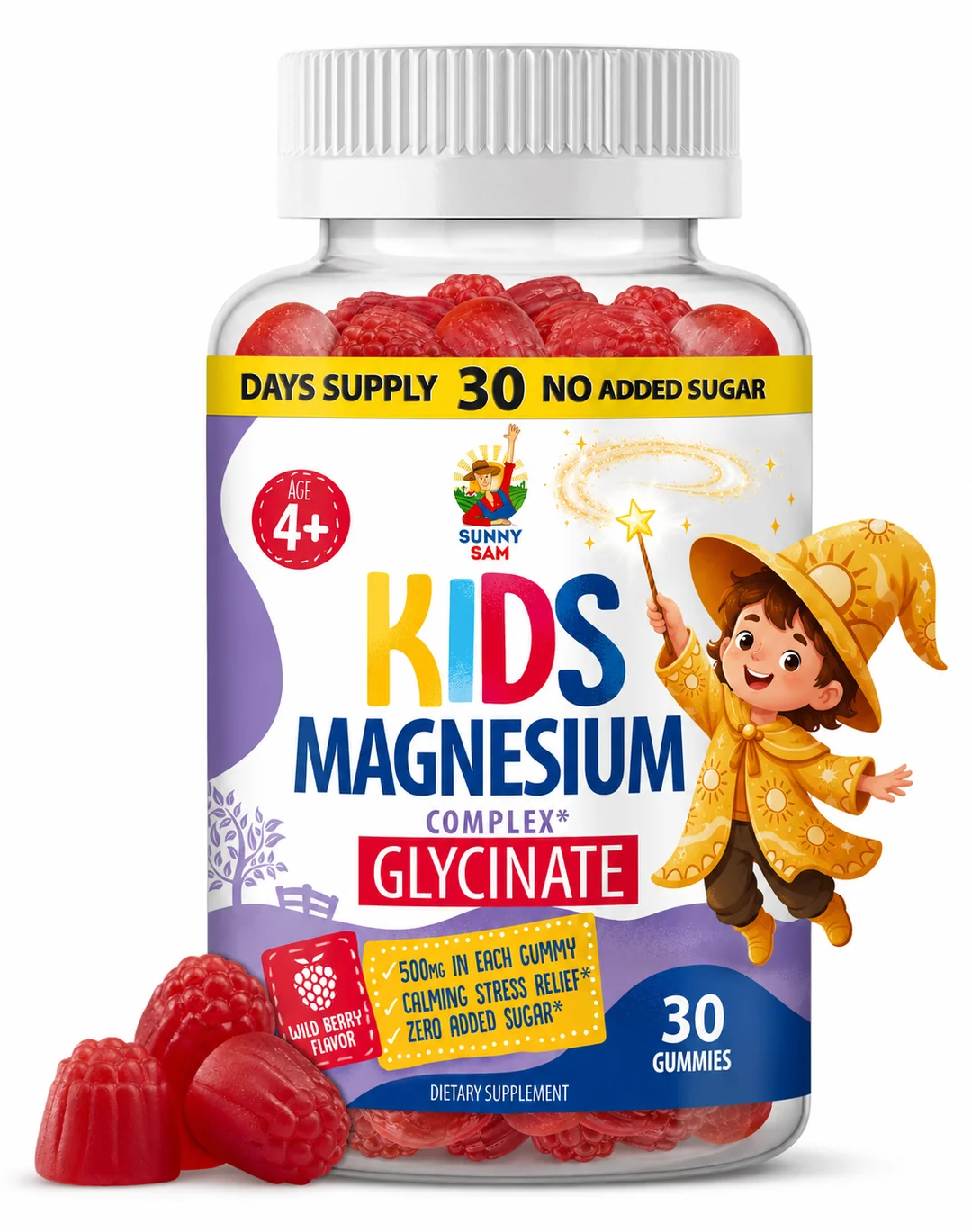
Magnesium deficiency is a much bigger problem than most would imagine. This is due to its functions in muscle activity, sleeping patterns, and stress, despite being deficient in many diets since it is mostly present in green vegetables and nuts, which are not necessarily part of everybody’s diet.
Challenges With Supplementation
Supplements seem like an easy fix for these gaps, and sometimes they are. But there are a couple of real challenges worth knowing before assuming a bottle of vitamins solves everything.
Bio-availability
Not all supplements are absorbed the same way. Some forms of a nutrient pass through your system largely unused, while others are absorbed far more efficiently. Magnesium is a good example, magnesium oxide is cheap and common but poorly absorbed, while magnesium glycinate is absorbed much better and tends to be gentler on the stomach too.
This is why two supplements with the same amount on the label can have very different real-world effects. The form matters just as much as the dose.
Consistency
The other challenge is simpler but just as important, actually taking the supplement regularly. A bottle sitting half-used in a cabinet isn’t helping anyone.
This is why products which are easier to use such as gummy supplements are generally more effective in practice because they are easier to remember to take without experiencing any upset stomach.
Good nutrition does not necessarily require complicated efforts to be effective. All one needs is to grasp the fundamentals of nutrition, macronutrients that provide the body with energy, microelements for all the other things, and create diets based on the consumption of diverse food products. While supplements may prove to be beneficial in some way, they should be well-absorbed and adopted as a permanent habit.
Leave a Reply